
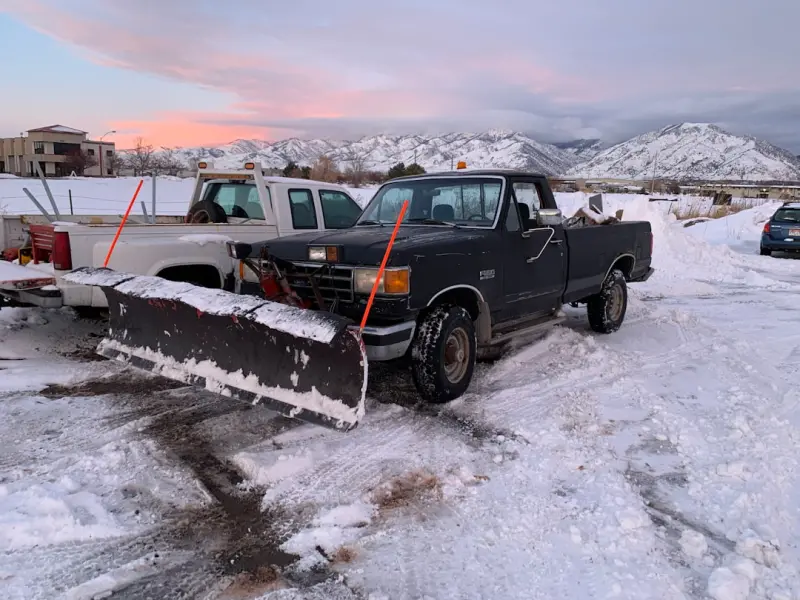
Why Snow Clearing Should Be a Core Business Advantage
Winter arrives with more than just a chill in the air; it brings a cascade of operational challenges that can cripple foot traffic, delay deliveries, and erode brand reputation. While many view snow clearing as a simple seasonal chore, savvy enterprises are beginning to treat it as a strategic lever that influences customer perception, employee safety, and overall operational resilience.
From Reactive Scrubbing to Proactive Planning
The traditional approach—calling a crew after the first snowfall—often leaves businesses scrambling, with ice patches forming before anyone can intervene. The cost of this reactive model is two‑fold: direct expenses for emergency overtime and indirect losses from missed sales or disrupted logistics.
By integrating weather analytics with a centralized scheduling platform, companies can forecast accumulation rates and pre‑position equipment and crews at optimal locations. This shift from “after the fact” to “ahead of time” reduces response lag, improves safety outcomes, and frees up budget for other initiatives.
Leveraging Intelligent Sensors Without the Buzzwords
Newer sensor kits can be discreetly installed on rooftops, parking decks, and high‑traffic walkways. These devices continuously monitor temperature, moisture, and snow depth, transmitting readings to a cloud‑based dashboard. When thresholds are crossed, automatic alerts trigger the dispatch of the nearest crew, ensuring that the first flakes are addressed before they become a slip hazard.
Unlike older systems that required manual checks, this technology provides a constant pulse on site conditions, allowing managers to allocate resources dynamically throughout the storm cycle.
Equipment Choices That Pay Off Over the Long Term
Investing in the right machinery is critical. While a basic snow blower can handle light dustings, commercial properties with large plazas or multi‑level structures benefit from a mixed fleet:
- High‑capacity snow pushers for open lots and wide avenues.
- Compact electric rotors for tight corridors, stairwells, and entryways where emissions and noise are concerns.
- Hydraulic de‑icing trucks that can spray a thin layer of salt or alternative melt agents precisely where needed.
Choosing equipment with low operating costs and modular attachments means you can adapt quickly to varying snowfall depths without over‑investing in a single, specialized machine.
Safety Culture as a Competitive Marker
Employees and customers alike notice how a venue handles winter hazards. A well‑executed snow clearing plan demonstrates respect for visitors and staff, reinforcing brand trust. To embed safety into the winter routine:
- Conduct a brief “winter readiness” briefing before each shift, highlighting high‑risk zones identified by the sensor network.
- Equip crews with high‑visibility gear and slip‑resistant footwear—simple steps that dramatically lower injury rates.
- Maintain a log of incident reports and response times; this data becomes a powerful narrative in stakeholder meetings.
Environmental Responsibility Without Compromise
Many municipalities now regulate salt usage due to runoff concerns. Companies can adopt alternative melt solutions—such as magnesium chloride blends—that are effective at lower temperatures and less damaging to surrounding vegetation. Pairing these agents with precision sprayers reduces waste and aligns winter operations with broader corporate sustainability goals.
Connecting Snow Management to the Bigger Business Picture
When snow clearing is treated as a peripheral task, its impact on the bottom line remains invisible. By positioning it as a pillar of the customer experience, businesses can unlock hidden revenue potential. Consider these indirect benefits:
- Increased foot traffic: Shoppers are more likely to visit a mall that stays clear and safe.
- Reduced delivery delays: Logistics partners appreciate dependable loading docks, leading to better contract terms.
- Brand differentiation: A reputation for meticulous winter care can become a talking point in marketing campaigns.
Technology Tie‑Ins That Complement Snow Operations
While snow clearing is a distinct discipline, it can share infrastructure with other facility systems. For instance, a cloud platform that already aggregates building temperature data can be extended to include the snow sensor feed, eliminating the need for a separate solution. This integrated approach streamlines smart appliance service workflows and provides a unified view of building health.
Similarly, forward‑thinking pavement designs—such as those discussed in innovative pavement solutions—can incorporate subtle heating elements that melt snow on high‑traffic routes, further reducing reliance on manual clearing.
Step‑by‑Step Guide to Elevate Your Snow Strategy
1. Audit Existing Assets: Map all outdoor surfaces, note current equipment, and identify gaps in coverage.
2. Implement Sensor Network: Deploy temperature and depth meters at critical points; integrate with your operations dashboard.
3. Develop a Tiered Response Plan: Define thresholds for light, moderate, and heavy snow, assigning crew levels to each tier.
4. Train Teams on Safety Protocols: Emphasize quick hazard identification and proper use of protective gear.
5. Choose a Balanced Fleet: Mix high‑capacity pushers with nimble electric units for diverse terrain.
6. Monitor and Adjust: Review post‑storm reports to refine thresholds and crew deployment patterns.
7. Communicate Wins: Share success metrics—reduced incidents, faster clearance times—with customers and staff to reinforce the program’s value.
Real‑World Illustration: A Retail Plaza’s Turnaround
A 150,000‑square‑foot shopping center historically struggled with delayed openings after early‑season snowfalls. By installing a network of 12 depth sensors and adopting a tiered dispatch system, the center reduced average clearance time from 45 minutes to under 15 minutes per lane. The result was a 12% increase in weekend foot traffic during winter months and a notable drop in slip‑related insurance claims. This case underscores how a disciplined approach can transform a seasonal inconvenience into a measurable business driver.
Looking Ahead
Winter will always bring snow, but the way businesses respond can set them apart. By treating snow clearing as a data‑informed, safety‑first, and environmentally aware operation, companies not only protect their assets but also enhance brand perception and operational continuity. The next snowfall is an opportunity—embrace it as a chance to showcase competence, care, and competitive foresight.

David MacKinnon is a dynamic freelance writer known for his captivating storytelling and keen insights into the world of technology. With a passion for exploring the intersection of innovation and everyday life, he crafts engaging narratives that not only inform but also inspire his readers.
Related Posts

Winter’s Secret Weapon: Turning Snow Removal into a Sustainable, Community‑Driven Routine
Discover a fresh, sustainable approach to snow removal that blends clever tools, eco‑friendly deâ€... Read More
Data-Driven Snow Removal: How to Plan, Prioritize, and Save Time
Discover a data‑focused approach to snow removal that helps you schedule trips, allocate resources... Read More

Snow Removal Reimagined: Harnessing Data and Digital Twins for Safer, Greener Winters
Discover how a data‑driven approach—using sensors, predictive analytics, and digital twins—can... Read More
Top Posts

Future‑Ready Garage Design: From Car Shelter to Multi‑Use Hub
Learn how to turn a traditional garage into a versatile, energy‑efficient hub that supports cars, workshops, home offices, and even autonomous vehicle tech....Read More

Intelligent Closet Systems: Turning Storage Into a Strategic Asset
A deep dive into turning everyday closets into data‑rich hubs, this post shows how sensor‑enabled storage improves inventory control, security, and operatio...Read More

The Hidden ROI of Upgrading Your Gutters: Boosting Value and Cutting Costs
Learn why upgrading gutters is a strategic investment that safeguards your home, cuts long‑term costs, and enhances resale value....Read More

The Intelligent Alarm System: Turning Reactive Alerts into Proactive Business Security
A deep dive into the evolution of alarm systems, showing how AI, IoT integration, and community networks transform traditional alerts into proactive, privacy‑...Read More
0 Comments
Post Comment
You will need to Login or Register to comment on this post!