
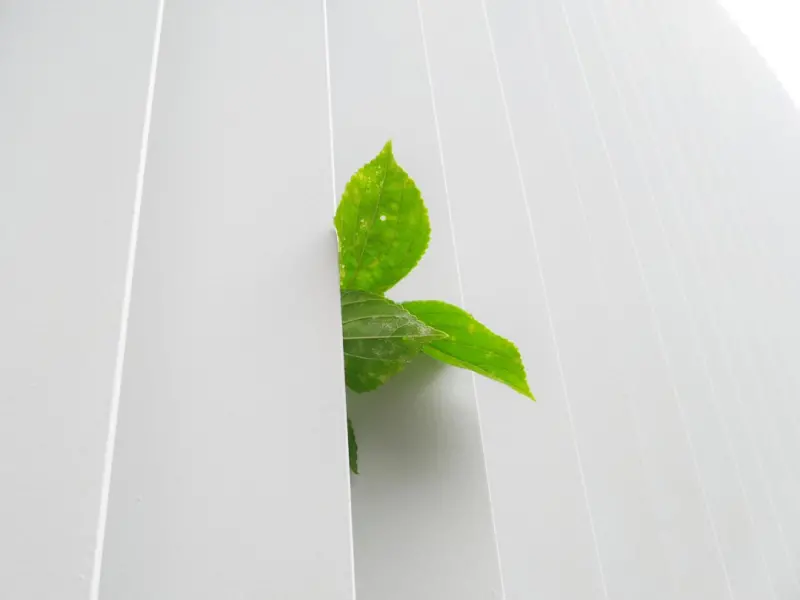
Eco‑Friendly Drywall: Reducing the Carbon Footprint One Wall at a Time
When I first stepped onto a construction site in Shanghai, the clouds of gypsum dust were a reminder that walls are more than just partitions—they’re the lungs of a building. Over the past decade, I’ve watched the drywall industry evolve from a commodity into a platform for sustainability, health, and performance. In this article, I’ll walk you through the emerging strategies that let contractors, designers, and owners make drywall choices that truly honor the environment without sacrificing speed, durability, or aesthetics.
Why Traditional Gypsum Isn’t Enough Anymore
Conventional drywall is beloved for its ease of installation and smooth finish, yet its production process is energy‑intensive. Mining raw gypsum, calcining it at temperatures above 1,600 °F, and transporting heavy panels across continents all contribute to a sizable carbon footprint. Moreover, many standard joint compounds contain high levels of volatile organic compounds (VOCs), which can affect indoor air quality.
In my own renovation projects, I’ve seen the hidden cost of these emissions manifest as higher heating bills in winter and a lingering “stale” feeling in summer. The good news is that a new generation of eco‑focused drywall products and installation practices are turning that narrative around.
Recycled Gypsum: From Waste to Wall
The most straightforward way to cut emissions is to use gypsum that’s already been extracted. Recycled gypsum—sourced from demolition scrap, industrial by‑products, or even flue‑gas desulfurization (FGD) residues—requires far less energy to process. Modern plants can blend up to 30 % reclaimed material into new panels without compromising strength.
- Energy savings: Manufacturing recycled‑content drywall can reduce CO₂ emissions by up to 25 % compared to virgin gypsum.
- Landfill diversion: Each ton of recycled gypsum keeps roughly 2 cubic meters of waste out of landfills.
- Consistent performance: When mixed correctly, recycled gypsum delivers the same fire‑rating and sound‑proofing characteristics as traditional panels.
In practice, the transition is seamless. Most suppliers now label their products with a “recycled content” percentage, allowing contractors to meet green‑building specifications without changing tools or crew habits.
Low‑VOC Joint Compounds and Finishes
Even if the board itself is green, the finishing layers can sabotage a healthy interior. Traditional joint compounds often rely on petroleum‑based binders that release VOCs during sanding and curing. A low‑VOC alternative uses natural polymers—such as modified starches or soy‑derived resins—to achieve comparable adhesion and flexibility.
When I switched my own office remodel to a low‑VOC mud, the difference was immediate: less odor, quicker turnaround on painting, and a noticeable improvement in occupant comfort. Pair this with water‑based paints, and you’ve created a wall system that supports both sustainability and wellness.
Integrating Passive Thermal Performance
One often‑overlooked opportunity lies in boosting the thermal mass of drywall. By incorporating insulating additives—like aerogel granules or expanded perlite—directly into the gypsum core, manufacturers can raise the R‑value of a single panel. The result is a wall that slows heat transfer, reducing reliance on mechanical heating and cooling.
For example, a ½‑inch panel infused with 10 % perlite can achieve an R‑value of 0.9, compared to the typical 0.45 for standard drywall. While this increase may seem modest, when multiplied across an entire building envelope the energy savings become substantial. Moreover, because the insulation is locked within the panel, you avoid the labor‑intensive process of retrofitting cavity insulation.
Smart Moisture Management Without the “Smart” Gimmick
Moisture intrusion is a silent threat to drywall longevity. Traditional gypsum absorbs water, swells, and eventually crumbles. A newer class of moisture‑resistant boards incorporates hydrophobic additives—such as silicone‑modified gypsum—that repel water while maintaining fire resistance.
These boards are particularly valuable in high‑humidity zones like bathrooms, basements, and coastal projects. Their ability to stay intact during brief water exposure reduces the need for costly replacements and keeps indoor air quality stable by preventing mold growth.
Designing for Disassembly: Future‑Proof Walls
In an era where building reuse is gaining momentum, walls must be designed for easy deconstruction. This means selecting fastening systems—like concealed clips or reversible adhesives—that allow panels to be removed without damaging the substrate. When a wall can be taken apart, its components can be reclaimed, refurbished, or recycled, extending the material’s lifecycle.
From my experience overseeing a multi‑tenant office conversion, we used a modular hanging system that let us strip out the interior partitions in under a day. The reclaimed panels were then donated to a local community center for their own renovation, demonstrating a circular approach that aligns with broader sustainability goals.
Balancing Speed and Sustainability on the Jobsite
Contractors often fear that greener choices will slow down a schedule. In reality, many eco‑options are engineered for the same handling speed as conventional drywall. For instance, recycled‑content panels are typically the same dimensions and weight, meaning crew members can continue using existing lift equipment and drywall lifts.
What does require a slight adjustment is the curing time for low‑VOC joint compounds, which can be a few minutes longer than standard mud. However, this can be mitigated by planning parallel tasks—such as electrical rough‑in or HVAC ductwork—while the mud sets. The net effect is a schedule that remains competitive while delivering a healthier, greener wall system.
Case Study: A Mid‑Rise Office Building Goes Green
One of the most rewarding projects I’ve consulted on was a 12‑story office tower in Shenzhen that aimed for a Zero Carbon Operational target. The owner demanded a wall system that would not only meet stringent energy codes but also contribute to a healthier workplace.
- We selected recycled‑gypsum panels with a 20 % post‑consumer content.
- Low‑VOC joint compound and water‑based finishes were used throughout the lobby, conference rooms, and private offices.
- For the conference rooms, we incorporated moisture‑resistant, hydrophobic drywall to protect against occasional condensation from high‑tech video equipment.
- Thermal‑enhanced panels were installed on the exterior façade to reduce heating loads by an estimated 12 %.
The result? The building achieved a 30 % reduction in embodied carbon compared to a conventional build and saw a 15 % improvement in energy usage intensity (EUI) during the first year of occupancy. The occupants reported fewer sick‑days and a general sense of comfort—an anecdotal but powerful testament to the value of greener walls.
Linking the Wall to the Whole Building
Drywall rarely exists in isolation; it’s part of a larger ecosystem of building systems. By aligning wall choices with other smart technologies—like IoT‑enabled façade monitoring (see how façade sensors can inform maintenance)—owners can create a feedback loop that continuously optimizes performance.
For instance, a wall with integrated humidity sensors can alert facilities managers to potential moisture issues before mold takes hold. Pairing that data with a building‑wide energy management platform allows for predictive adjustments to HVAC setpoints, further slashing energy waste.
Practical Tips for Contractors and Designers
- Specify recycled content early. Include a minimum percentage in your material submittals to ensure the supply chain aligns with your sustainability goals.
- Choose low‑VOC finishing systems. Look for certifications such as GREENGUARD or SCS Indoor Advantage.
- Consider moisture‑resistant boards in high‑risk areas. They add negligible cost but can save thousands in future remediation.
- Plan for disassembly. Use reversible fasteners and label panels for future reuse.
- Integrate data. If your project already employs building analytics, explore wall‑level sensors that feed into the same platform.
Future Outlook: From Green to Regenerative
We are standing on the cusp of a new paradigm where walls not only minimize harm but actively contribute to environmental restoration. Emerging research into gypsum that captures carbon during the curing process, or panels infused with bio‑char that sequesters CO₂, points toward a future where drywall becomes a carbon sink.
While these technologies are still in pilot phases, the momentum is undeniable. As designers, contractors, and building owners, the choices we make today lay the groundwork for the next wave of regenerative construction. By prioritizing recycled content, low‑VOC finishes, moisture resilience, and modular disassembly, we can already achieve meaningful reductions in carbon and health impacts.
If you’re ready to make your next drywall project a catalyst for sustainability, start by revisiting your material specifications, engage with manufacturers about their recycled‑gypsum lines, and think beyond the wall to the building’s holistic performance. The journey from a standard partition to a green, future‑ready wall is shorter than you might think—and the benefits extend far beyond the construction site.

Lifan Chen is a freelancer based in Toronto specializing in marketing. With expertise in crafting effective marketing strategies and campaigns, Lifan helps businesses grow their brand presence and reach target audiences. As a Toronto-based freelancer, Lifan combines local market insights with creative marketing skills to deliver tailored solutions for clients.
Related Posts
Drywall Mastery: From Planning to Polished Perfection
A seasoned DIY pro shares step‑by‑step drywall secrets, covering eco‑friendly boards, acoustic... Read More
Drywalling Secrets: Sustainable Strategies Every Renovator Should Know
Learn how smart drywall choices, low‑VOC materials, and efficient installation techniques create s... Read More
The Art of Drywalling: A Comprehensive Guide
Drywalling is an essential step in building or renovating a home. Learn the tips and techniques for ... Read More
Top Posts
The Importance of Duct Cleaning in Sustainable Home Design
Duct cleaning is crucial for maintaining indoor air quality and promoting sustainable home design. Learn how regular duct cleaning can improve your home's air q...Read More
From Storage to Sanctuary: Reimagining Your Backyard Shed
Learn step‑by‑step how to repurpose a simple shed into a stylish, multi‑purpose sanctuary, blending comfort, sustainability, and personal flair for any li...Read More
Concrete’s Quiet Revolution: Sustainable, Smart, and Strong
Explore concrete’s evolution into a low‑carbon, smart, and resilient material that’s reshaping sustainable construction and renovation practices....Read More
AI‑Powered Energy Inspection: Turning Heat Maps Into Continuous Savings
A deep dive into AI‑powered energy inspection shows how continuous thermal monitoring, edge computing, and predictive analytics can replace traditional audits...Read More
0 Comments
Post Comment
You will need to Login or Register to comment on this post!