

Why Snow Removal Needs a Data‑Driven Makeover
When the first flakes start to drift, most property managers scramble for shovels, salt, and a crew that can brave the cold. The process feels ancient—a ritual repeated year after year with little insight beyond “how much snow is on the ground?” As someone who has spent a decade turning traditional facilities operations into intelligent, resilient systems, I’ve learned that the same technology that powers digital twins for electrical infrastructure can also transform snow removal from a reactive chore into a proactive, data‑rich service.
The Real Cost of Guesswork
Most commercial owners still rely on visual inspections or driver reports to trigger a snow‑clearing event. That approach hides three hidden costs:
- Labor inefficiency: Crews often arrive too early (wasting fuel) or too late (creating safety hazards).
- Material waste: Over‑application of de‑icing chemicals not only inflates expenses but also harms surrounding landscaping and storm‑water systems.
- Liability exposure: Slips, trips, and falls are the number‑one claim in winter months, and insurers are tightening their standards for documented risk mitigation.
When you quantify these variables, the “old school” method can bleed a mid‑size office park of tens of thousands of dollars each winter.
Enter the Snow‑Smart Ecosystem
Imagine a network of low‑power sensors perched on roof edges, parking lot curbs, and critical walkways. These devices capture:
- Snow depth in real‑time (using ultrasonic or laser ranging)
- Surface temperature and moisture content (to gauge the need for brine versus solid salt)
- Wind speed and direction (to predict drift patterns)
- Pedestrian traffic flow (via passive infrared or Bluetooth beacons)
All this data streams to a cloud‑based analytics platform that runs predictive algorithms. The system answers two questions before the first snowflake lands:
- When will snow exceed the threshold that demands action?
- Which zones should be prioritized based on foot traffic and safety risk?
The result is a dynamic, prioritized work order queue that updates every five minutes. Crews receive a mobile push notification that says, “Deploy to Zone A in 15 minutes; use 2 kg of liquid brine, not 5 kg of solid salt.” The crew arrives just as the snow reaches 5 cm, clears the high‑traffic walkway, and moves on—all while the system tracks exact material usage and timestamps for compliance.
Digital Twins Meet Snow Removal
Building on the concept of digital twins, you can create a virtual replica of your entire property—including roofs, parking lots, loading docks, and even interior atriums. By feeding sensor data into this twin, the model becomes a living simulation that can test “what‑if” scenarios:
- What if a sudden 30 mm snowfall occurs within 30 minutes?
- How will a 10 km/h wind from the west shift snow accumulation on the east side of the building?
- What is the optimal route for a plow to minimize fuel consumption while meeting safety thresholds?
Running these simulations in real time lets you anticipate bottlenecks and adjust resource allocation on the fly. The twin also serves as an audit trail for insurance adjusters and regulators—each decision is backed by sensor logs and algorithmic recommendations.
Integrating with Existing Facility Platforms
Most B2B SaaS facilities management tools already host work order systems, asset tracking, and maintenance calendars. Adding a snow‑smart module should feel like an upgrade, not a separate silo. Here’s a quick integration checklist:
- API connectivity: Ensure the sensor platform offers RESTful endpoints that can push data into your CMMS.
- Rule engine mapping: Translate thresholds (e.g., snow depth > 4 cm) into work order triggers.
- Dashboard overlay: Add a “Winter Ops” tab that visualizes sensor heat maps, crew locations, and material consumption.
- Compliance tagging: Tag each snow‑removal work order with the relevant Permit Power requirements, which you can learn more about here.
When these pieces click together, snow removal becomes a seamless extension of your ongoing facilities strategy rather than a seasonal bolt‑on.
Sustainability: Turning Snow into an Asset
Snow isn’t just a nuisance; it’s a potential resource. By collecting meltwater through strategically placed catch basins, you can feed it into a circular‑economy loop that irrigates landscaped areas or pre‑cools building HVAC systems. The same sensors that measure snow depth can also monitor water quality, ensuring that any dissolved salts stay within environmental guidelines.
Moreover, using liquid brine instead of solid rock salt reduces the total mass of chemicals needed. The algorithm can calculate the exact concentration required to melt a specific snow depth at a given temperature, cutting waste by up to 30 % in some case studies.
Safety First: Data‑Backed Liability Management
Every slip, trip, or fall claim begins with a question: “Did the property owner take reasonable steps to clear the hazard?” With a sensor‑driven workflow, you have an objective record:
- Timestamped snow‑depth readings
- Automated work order creation and crew dispatch logs
- Material application rates and locations
- Post‑clearance verification images (captured by crew smartphones)
This digital paper trail can dramatically reduce claim payouts and may even qualify you for lower insurance premiums. Some insurers are now offering “winter‑risk discounts” for facilities that can demonstrate real‑time monitoring.
Scaling From One Site to Many
Large property portfolios often struggle with consistency. A snow‑smart solution solves this by standardizing the data model across every location. The central platform applies the same decision rules, but you can fine‑tune thresholds based on local climate norms. For example, a downtown high‑rise in a lake‑effect snow zone may have a lower activation depth than a suburban office park with milder winters.
Scalability also means cost efficiency. Sensors are typically low‑cost, battery‑operated units that last 3‑5 years. Bulk purchasing and centralized firmware updates keep OPEX low, while the SaaS subscription model spreads software costs across all sites.
Overcoming Common Barriers
Many facilities managers hesitate to adopt high‑tech snow removal for three reasons:
- Perceived complexity: “We don’t have an IT team to manage this.” Solution: Choose a vendor that offers a managed service layer—the sensors are installed, and the cloud platform is monitored by the provider.
- Upfront capital: “We can’t justify buying hardware for a seasonal need.” Solution: Lease sensor kits or adopt a pay‑per‑use model where you only pay for the data you consume.
- Regulatory uncertainty: “Do we need permits to install sensors on the roof?” Solution: Review local ordinances early; often, small, non‑intrusive devices are exempt. The Permit Power guide can help you navigate any required approvals.
Addressing these concerns up front accelerates adoption and builds stakeholder confidence.
The Future: Autonomous Snowplows and AI
We are on the cusp of integrating autonomous vehicle technology with the snow‑smart ecosystem. Picture a fleet of driverless plows that receive real‑time routing instructions from the digital twin, adjusting speed and blade angle based on live snow density readings. AI models trained on historical snowfall patterns can even predict the optimal time to pre‑emptively treat high‑risk zones with brine, turning “reactive” into “preventive.”
While fully autonomous plowing is still a few years away, early pilots in Scandinavian municipalities are already proving the concept. By laying the groundwork now—installing sensors, building the twin, and refining the data pipeline—you’ll be ready to plug in autonomous assets when they become commercially viable.
Getting Started: A 5‑Step Playbook
- Audit your current winter workflow. Identify gaps in visibility, material tracking, and compliance.
- Choose a sensor partner. Look for modular, weather‑hardened units that integrate via open APIs.
- Map your digital twin. Use existing BIM models or create a lightweight 3‑D representation of outdoor assets.
- Configure rule sets. Set depth thresholds, traffic‑risk weights, and chemical dosing formulas.
- Run a pilot. Deploy on a single building, measure ROI (labor hours saved, material reduction, claim avoidance), and iterate before scaling.
Following this roadmap can deliver a measurable ROI within the first winter season—often in the range of 15‑25 % cost reduction and a noticeable dip in slip‑and‑fall incidents.
Conclusion: From Snow‑Shovels to Snow‑Science
Snow removal is no longer a brute‑force, “just get it done” task. By harnessing sensor data, predictive analytics, and digital twins, you transform a seasonal headache into a strategic advantage—one that improves safety, cuts costs, and even supports sustainability goals. The technology is mature, the business case is clear, and the competitive edge is waiting for the first facility that embraces a data‑driven winter.

Lifan Chen is a freelancer based in Toronto specializing in marketing. With expertise in crafting effective marketing strategies and campaigns, Lifan helps businesses grow their brand presence and reach target audiences. As a Toronto-based freelancer, Lifan combines local market insights with creative marketing skills to deliver tailored solutions for clients.
Related Posts
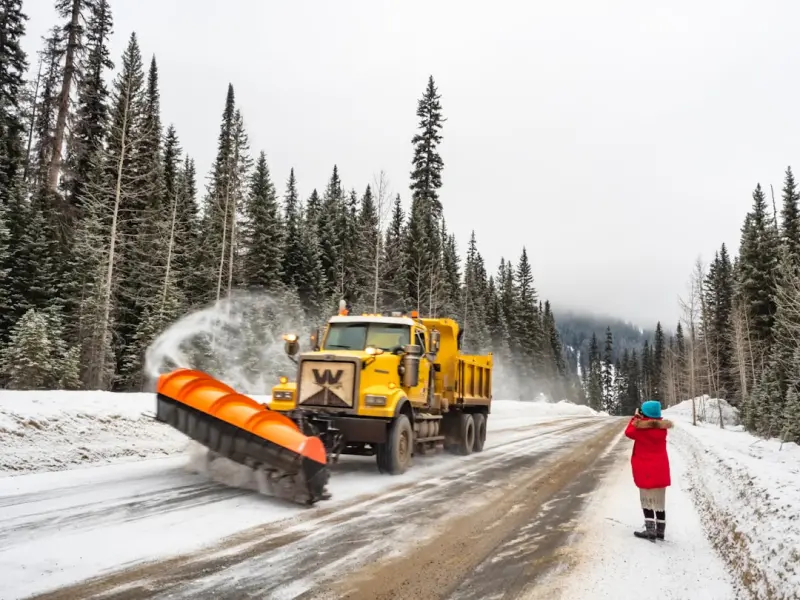
Community Snow Removal Networks: Turning Winter Chaos into Neighborhood Advantage
Learn how a community snow removal network leverages shared resources, smart data, and eco‑friendl... Read More

The Snow Removal Struggle is Real: Why You Need a Reliable Solution
Snow removal can be a daunting task, but with the right solution, you can ensure your safety and the... Read More
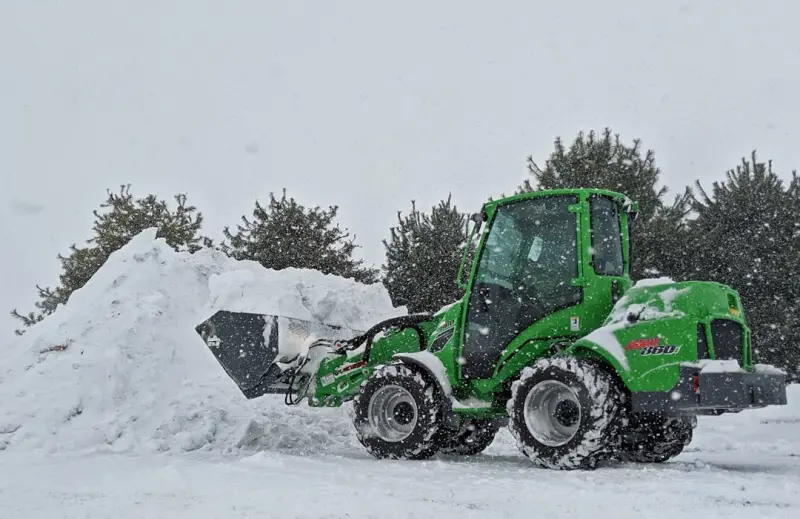
Smart Snow Removal: Turning Winter Into a Strategic Asset
Snow removal can be more than a seasonal chore. Learn how sensor data, predictive analytics, and aut... Read More
Top Posts

DIY Home Repair Mastery: Building Skills, Saving Money, and Gaining Confidence
A hands‑on roadmap for homeowners to master DIY repairs, from planning and essential tools to safety, budgeting, and documenting every successful fix....Read More

Weather‑Smart Home Envelopes: Proven Strategies for Year‑Round Protection
A comprehensive guide to weather‑proofing your home, covering air tightness, water management, thermal continuity, and moisture control, with actionable steps...Read More

Transforming Your Garage into a Sustainable Energy Hub
Explore how to convert a traditional garage into a clean‑energy hub with solar canopies, EV charging, battery storage, smart automation, and durable, eco‑fr...Read More
Why Proactive Foundation Repair Is the Unsung Competitive Advantage for Commercial Properties
A deep dive into why treating foundation health as a strategic asset can cut costs, improve tenant satisfaction, and enhance ESG performance, complete with a st...Read More
0 Comments
Post Comment
You will need to Login or Register to comment on this post!