
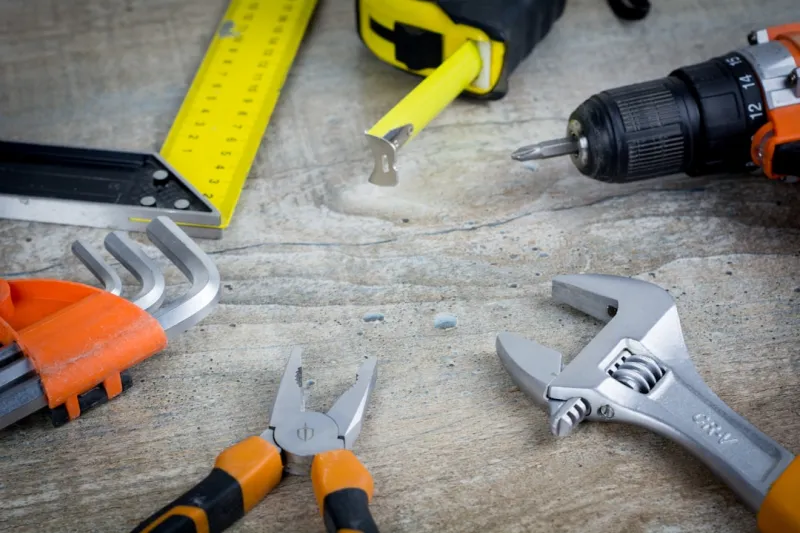
Embracing Sustainable DIY Home Repairs for a Greener Tomorrow
As a DIY enthusiast and advocate for sustainable living, I, Rose DesRochers, believe that making eco-friendly choices in our daily lives is crucial for a better future. When it comes to home repairs, we often overlook the environmental impact of our actions. However, by embracing sustainable DIY home repairs, we can significantly reduce our carbon footprint and contribute to a greener tomorrow. In this article, I'll share my expertise on how to make sustainable choices in home repairs, highlighting the importance of eco-friendly materials, energy-efficient solutions, and responsible waste management.
The Importance of Sustainable Home Repairs
Sustainable home repairs are not only good for the environment, but they can also save homeowners money in the long run. By using eco-friendly materials and energy-efficient solutions, we can reduce energy consumption, lower utility bills, and extend the lifespan of our homes. Moreover, sustainable home repairs can increase the value of our properties, making them more attractive to potential buyers. As I discussed in my previous article on The Importance of Waterproofing in Sustainable Home Design, a well-maintained home is not only a reflection of our values but also a testament to our commitment to sustainability.
Choosing Eco-Friendly Materials
When it comes to DIY home repairs, choosing eco-friendly materials is a crucial step towards sustainability. Instead of using traditional materials that are often made from non-renewable resources, opt for sustainable alternatives like reclaimed wood, bamboo, or low-VOC paints. These materials not only reduce waste but also promote a healthier indoor environment. For instance, using reclaimed wood for furniture or flooring can add a unique touch to your home while reducing the demand for virgin timber. Additionally, consider using materials that are locally sourced, reducing transportation emissions and supporting the local economy.
Energy-Efficient Solutions
Energy-efficient solutions are another key aspect of sustainable home repairs. By upgrading to energy-efficient appliances, lighting, and insulation, we can significantly reduce energy consumption and lower our utility bills. Consider replacing traditional incandescent bulbs with LED bulbs, which use significantly less energy and last longer. Moreover, upgrading to energy-efficient windows and doors can help reduce heat loss and gain, keeping your home warm in the winter and cool in the summer. As I mentioned in my article on Weatherproofing Your Home for a Sustainable Future, a well-insulated home is not only more comfortable but also more sustainable.
Responsible Waste Management
Responsible waste management is often overlooked in home repairs, but it's a critical aspect of sustainability. When renovating or repairing your home, try to minimize waste by planning ahead and estimating materials accurately. Consider donating or repurposing materials that are still in good condition, reducing the amount of waste that ends up in landfills. Moreover, choose materials that are recyclable or biodegradable, making it easier to dispose of them responsibly.
The Role of Home Inspections in Sustainable Home Design
Home inspections play a crucial role in sustainable home design, helping homeowners identify areas of improvement and prioritize repairs. A comprehensive home inspection can reveal hidden issues, such as energy leaks or structural damage, allowing homeowners to address them before they become major problems. By incorporating sustainable home inspections into your DIY home repair routine, you can ensure that your home is not only functional but also sustainable. As I discussed in my article on The Role of Home Inspections in Sustainable Home Design, a thorough home inspection is essential for maintaining a sustainable home.
Conclusion
In conclusion, embracing sustainable DIY home repairs is a crucial step towards a greener tomorrow. By choosing eco-friendly materials, energy-efficient solutions, and responsible waste management practices, we can significantly reduce our carbon footprint and contribute to a more sustainable future. Remember, every small step counts, and by incorporating sustainable practices into our daily lives, we can make a significant impact. As a DIY enthusiast and advocate for sustainable living, I encourage you to join me on this journey towards a more sustainable future.
Final Tips and Recommendations
To get started with sustainable DIY home repairs, consider the following tips and recommendations:
- Start small by upgrading to energy-efficient light bulbs or installing low-flow showerheads.
- Research eco-friendly materials and suppliers in your area.
- Plan ahead and estimate materials accurately to minimize waste.
- Consider donating or repurposing materials that are still in good condition.
- Stay informed about sustainable home repair practices and technologies.
By following these tips and recommendations, you can make a significant impact on the environment while also saving money and increasing the value of your home.

When it comes to the world of blogging and writing, Rose DesRochers is a name that stands out. Her passion for creating quality content and connecting with her audience has made her a trusted voice in the industry. Aside from her skills as a writer and blogger, Rose is also known for her compassionate nature.
Related Posts
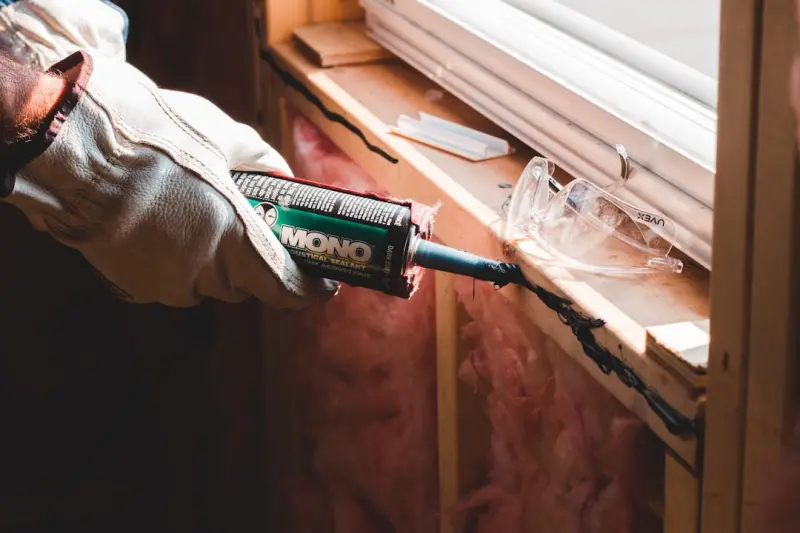
DIY Caulk Revival: A Homeowner’s Guide to Sealing Bathrooms and Kitchens
A practical, homeowner‑focused guide to removing old caulk, choosing the right sealant, and applyi... Read More
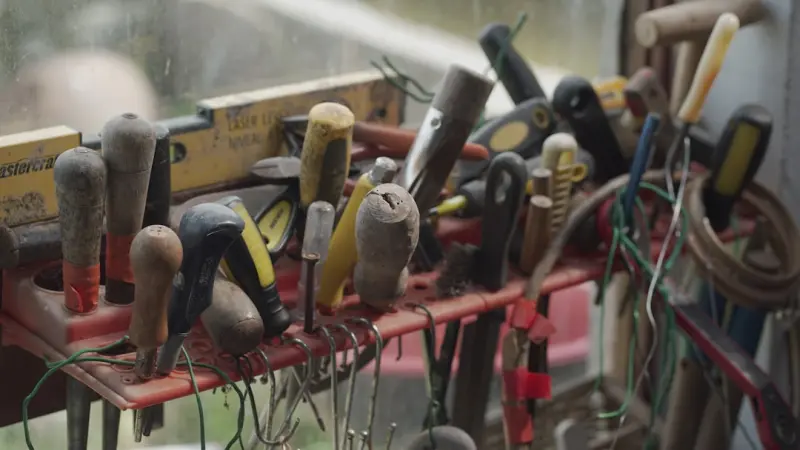
Mastering One-Tool DIY Home Repairs: A Minimalist’s Guide
A minimalist toolkit of four multi-purpose tools can handle the majority of DIY home repairs. Discov... Read More

The Minimalist’s Blueprint for a DIY Home Repair Kit That Actually Works
A step‑by‑step guide to creating a minimalist repair kit, diagnosing issues, and tackling everyd... Read More
Top Posts
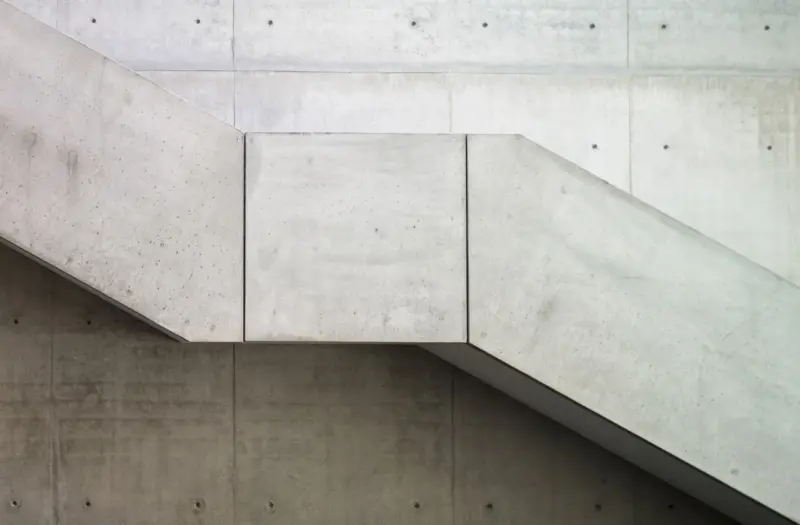
Concrete as a Design Powerhouse: From Slabs to Sustainable Statements
Discover the hidden potential of concrete—from eco‑friendly mixes and stunning finishes to DIY projects and future tech—turning ordinary slabs into design...Read More

Designing a Home Addition That Grows With Your Family
A forward‑thinking guide to home additions that anticipate family milestones, incorporate flexible layouts, scalable infrastructure, and biophilic design for ...Read More

The Rise of Intelligent Countertops: Where Function Meets Future
Countertops are evolving beyond static surfaces into data‑rich, health‑centric, and eco‑friendly platforms. This post explores embedded sensors, antimicro...Read More

Plastering’s Modern Renaissance: Health, Design, and Smart Innovations
Plaster is returning to the spotlight as a versatile, health‑focused, and technologically enhanced material, offering fire resistance, humidity regulation, an...Read More
0 Comments
Post Comment
You will need to Login or Register to comment on this post!