
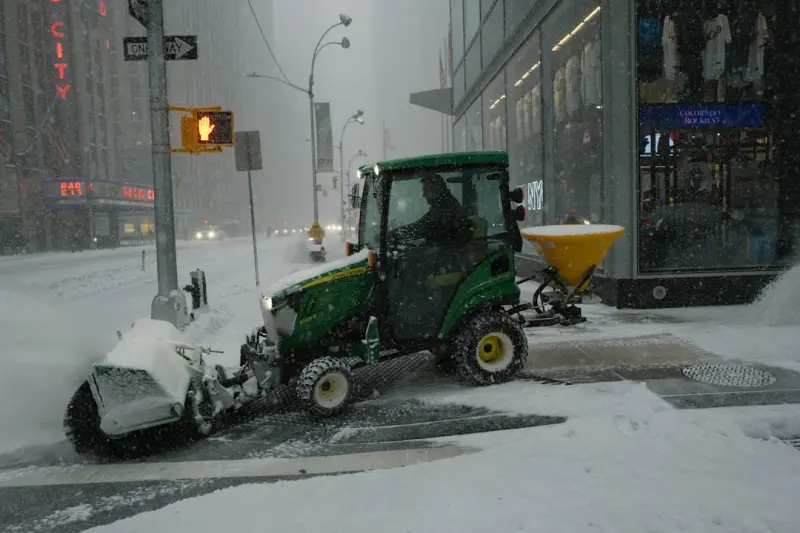
Why Green Snow Removal Matters
Winter brings a pristine white blanket, but the traditional approach to clearing that blanket often leaves a lingering, toxic residue that seeps into soil, contaminates groundwater, and harms local wildlife. Eco‑friendly snow removal isn’t just a buzzword; it’s a necessity for homeowners who care about the long‑term health of their property and community, especially as climate concerns sharpen the focus on every ounce of chemicals we spread. By rethinking the tools, techniques, and timing we use, we can protect our homes while still keeping driveways and sidewalks safe for family and visitors.
Rethink Your De‑icing Arsenal
Most of us reach for the familiar blue crystals of sodium chloride without considering the cumulative damage they cause to concrete, plant roots, and even car finishes, but there are greener alternatives that perform just as well under the right conditions. Future‑ready decks benefit from the same low‑impact materials, and the same logic applies to sidewalks: magnesium chloride, calcium magnesium acetate, or even beet‑based liquids break down faster and pose less risk to surrounding flora. When temperatures dip below 20°F, any salt loses efficiency, making the extra expense of greener options a worthwhile investment in both safety and sustainability.
Harness the Power of Heat
Installing radiant heating beneath driveways or walkways may sound like a luxury, yet advances in energy‑efficient technology have turned it into a viable, low‑maintenance solution for many homeowners. When paired with a maintenance calendar, these systems can be scheduled to activate only during the heaviest snowfall, reducing energy consumption while eliminating the need for chemical de‑icers entirely. The upfront cost is offset by savings on snow‑removal labor, reduced wear on pavement, and the peace of mind that comes from a consistently clear path, even during unexpected mid‑night storms.
Strategic Snow Placement and Windbreaks
Instead of fighting nature head‑on, savvy homeowners learn to work with the wind, sun, and topography to naturally minimize snow accumulation. Planting evergreen windbreaks on the windward side of a property can deflect drifting snow away from critical entry points, while strategically positioning a shed or garage near the driveway creates a sheltered zone that stays clearer longer. Additionally, using light‑colored gravel or permeable pavers on side paths encourages quicker melting due to higher solar absorption, turning what could be a slippery hazard into a self‑cleaning surface that requires far less manual effort.
Water‑Based Snow Melting Solutions
For those seeking an immediate, chemical‑free method, hot water can be an effective short‑term fix, especially on smaller areas like entryways or steps. By applying warm water directly to icy patches, the ice crystals break apart, allowing the underlying snow to melt without the residue left by salts. It’s crucial, however, to use this method judiciously; excessive water can refreeze into black ice if temperatures remain well below freezing, creating a new slip risk. Pairing quick water application with a brisk brush or push broom ensures the melted snow is cleared before it has a chance to refreeze.
Smart Scheduling with Weather Tech
Modern weather‑tracking apps and smart home integrations provide hyper‑local forecasts that can alert you minutes before a snowfall begins, allowing you to pre‑emptively clear paths or activate heated systems. By syncing these alerts with a proactive snow‑removal schedule, you avoid the frantic rush that often leads to over‑application of de‑icers or missed spots. Some homeowners even automate the release of eco‑friendly liquid de‑icers through timed sprinkler systems, delivering just enough solution to prevent bonding without flooding the area, thereby conserving water and reducing waste.
Low‑Impact Mechanical Tools
When it comes to the physical act of moving snow, the choice of equipment can have a surprisingly large environmental footprint. Traditional gasoline‑powered snow blowers emit pollutants and are noisy, disrupting both wildlife and neighborhood tranquility; electric models, especially those powered by renewable energy sources, cut emissions dramatically while delivering comparable performance. Pair a lightweight push shovel with a high‑efficiency blade design, and you’ll reduce the number of passes needed, conserving your own energy and limiting the disturbance to nearby flora and fauna.
Community Collaboration Without Formal Networks
While organized community snow‑removal networks have been covered elsewhere, there’s a subtle power in informal neighborly cooperation that doesn’t require a formal structure. Simple gestures like sharing a spare electric snow blower, swapping salt‑free de‑icing recipes, or coordinating staggered shoveling times can dramatically reduce overall chemical usage and labor fatigue. By fostering a culture of mutual aid, you not only preserve the winter aesthetic but also build stronger social ties that endure long after the snow has melted.
Measuring Success and Adjusting Tactics
The final piece of any sustainable snow‑removal plan is a feedback loop that tracks effectiveness, cost, and environmental impact. Keep a log in your maintenance calendar noting which de‑icing agents were used, how much energy the heated system consumed, and any observable effects on surrounding plants or pavement. Over time, patterns will emerge, highlighting the most efficient methods for your specific micro‑climate. This data‑driven approach empowers you to refine your strategy year after year, ensuring that each winter you leave a lighter carbon footprint while still maintaining safe, accessible pathways for all.

David MacKinnon is a dynamic freelance writer known for his captivating storytelling and keen insights into the world of technology. With a passion for exploring the intersection of innovation and everyday life, he crafts engaging narratives that not only inform but also inspire his readers.
Related Posts
The Psychology of Snow Removal: Turning Winter Stress into Smart Routine
Learn to reframe snow removal as a purposeful routine, using smart planning, data tools, and neighbo... Read More
Snow Removal Reinvented: Data, IoT, and Sustainable Strategies for Modern Facilities
A fresh look at snow removal shows how predictive weather data, IoT‑enabled equipment, and sustain... Read More

Smart Snow Strategies: Turning Winter Chaos into Operational Advantage
Snow removal can be more than a seasonal chore. By leveraging sensors, predictive analytics, autonom... Read More
Top Posts
Reimagining Decks: Turning Outdoor Platforms into Data‑Driven Business Assets
This post explores how modern decks can evolve from seasonal patios into intelligent, revenue‑generating platforms by integrating sensors, smart power, and Sa...Read More

Why Gutter Intelligence Is the Next Frontier in Facility Management
Gutters are often overlooked, but with sensor‑enabled monitoring and predictive cleaning, they become a strategic asset that reduces water damage, lowers main...Read More
The Sustainable Awning Revolution: A Game-Changer for Homeowners
Sustainable awnings offer a stylish and practical way to reduce energy consumption and environmental impact. Learn about the benefits, trends, and innovations i...Read More

Green Paving: Building Sustainable Driveways and Walkways for the Modern Home
Explore the rise of green paving, from recycled aggregates to permeable designs, and learn how eco‑friendly surfaces boost durability, lower energy use, and p...Read More
0 Comments
Post Comment
You will need to Login or Register to comment on this post!