
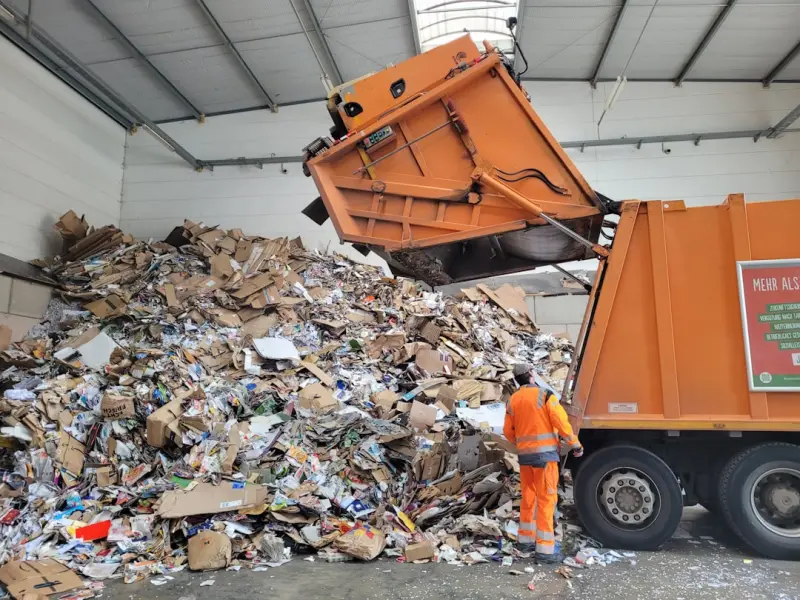
Turning Waste into Wonder: How Circular Paving Is Redefining the Built Environment
When I first stepped onto a freshly laid surface at a construction site, the scent of hot bitumen and the rhythmic thump of rollers instantly reminded me of the sheer power we have to shape cities. Yet, for years that power felt one‑dimensional—a linear process of extracting raw minerals, melting them, and pouring them onto the ground. Today, that narrative is shifting. The paving industry is waking up to a new reality: the materials we lay down can come back to us, creating a loop that reduces waste, cuts costs, and even improves performance.
Why Circular Paving Matters More Than Ever
Our climate is changing faster than our infrastructure can adapt. Traditional hot‑mix asphalt (HMA) and concrete pavements demand high‑energy production, generate significant carbon emissions, and rely on virgin aggregates that are becoming scarcer. At the same time, the world is choking on plastic, rubber, and construction demolition waste. The convergence of these challenges is no coincidence—it’s a call to action.
Circular paving offers a pragmatic answer:
- Environmental stewardship: By incorporating reclaimed asphalt pavement (RAP), recycled concrete aggregate (RCA), and post‑consumer plastics, we cut the carbon intensity of new pavement mixes.
- Economic resilience: Reusing on‑site demolition material reduces haul‑away fees and the price volatility of virgin aggregates.
- Performance benefits: Certain recycled components—like crumb rubber from tires—enhance flexibility, reducing crack propagation in hot climates.
From Landfill to Lane: The Core Ingredients of Circular Pavement
The magic happens when we look at what would otherwise be waste and ask, “Can this become part of a road?” Below are the most promising feedstocks that are already making the leap from landfill to lane.
Reclaimed Asphalt Pavement (RAP)
RAP is the most mature recycled material in the paving world. When an old road is milled or removed, up to 70 % of the material can be reclaimed, crushed, and reintroduced into new hot‑mix designs. Modern binding agents—polymer-modified asphalts and styrene‑butadiene‑styrene (SBS) blends—allow us to increase RAP content without sacrificing durability.
Recycled Concrete Aggregate (RCA)
Demolition sites generate mountains of concrete that, if crushed, become a high‑quality aggregate substitute. RCA typically contains 15‑30 % residual cement paste, which can act as a latent binder, improving interlock between particles. When paired with supplementary cementitious materials (SCMs) such as fly ash or slag, RCA‑based concrete pavements achieve comparable compressive strength to traditional mixes.
Plastic Waste and Composite Pavers
One of the most exciting developments is the infusion of post‑consumer plastics—especially polyethylene terephthalate (PET) and high‑density polyethylene (HDPE)—into paving. By grinding plastics into fine granules and blending them with cement or asphalt binders, we create “plastic‑enhanced” pavers that are lighter, more resistant to freeze‑thaw cycles, and boast a lower thermal expansion coefficient.
Crumb Rubber from End‑of‑Life Tires
Rubberized asphalt has been around for decades, but recent advances in crumb‑rubber processing enable us to use up to 20 % rubber by weight without compromising mix stability. The result is a pavement that flexes under load, reducing reflective cracking and extending service life—especially valuable in regions with extreme temperature swings.
Designing for the Loop: How to Integrate Circular Materials Without Compromise
Adopting recycled ingredients isn’t simply a matter of swapping one sand bucket for another. Engineers must re‑think mix design, quality control, and performance verification. Below is a step‑by‑step framework I use on projects that aim for a true circular approach.
- Material Characterization: Conduct comprehensive lab tests on each recycled component (gradation, moisture content, specific gravity). This data feeds into the mix design algorithm to ensure target densities and strengths.
- Performance‑Based Mix Design: Move beyond the “percent‑RAP” rule of thumb. Use software that models the interaction between binder rheology and aggregate gradation, accounting for the unique stiffness of recycled plastics or rubber.
- Trial Paving & Monitoring: Lay a test strip (typically 500 m) and instrument it with strain gauges and temperature sensors. This real‑time data helps fine‑tune the mix before full‑scale deployment.
- Lifecycle Cost Analysis: Quantify not just the upfront material savings but also the long‑term maintenance benefits. Circular mixes often show lower crack rates, meaning fewer repair cycles over a 20‑year horizon.
- Documentation & Digital Traceability: Capture every batch’s composition in a cloud‑based system. This creates a digital “as‑built” record that can be referenced for future repurposing—a key pillar of the circular economy.
Smart Maintenance Meets Circular Design
Even the most durable circular pavement will need upkeep. The good news is that the same data infrastructure we use for mix design can also power predictive maintenance. By integrating pavement performance metrics into a broader asset management platform, owners can shift from reactive repairs to proactive strategies that turn maintenance into revenue opportunities. Imagine a dashboard that alerts you when a reclaimed‑asphalt section is approaching its fatigue limit—allowing you to schedule resurfacing before cracks appear.
Financing the Circular Shift: Managing Uncertainty with Predictive Analytics
One of the biggest hurdles for contractors and owners is the perceived risk of using non‑traditional materials. That’s where data‑driven financial tools come into play. By applying predictive change order management, project teams can forecast cost impacts of material substitutions, adjust budgets in real time, and protect profit margins. The models ingest historical mix performance, market price fluctuations of virgin vs. recycled aggregates, and even regulatory incentives for carbon reduction, providing a transparent view of the financial upside.
Case Study: A Circular Turnpike in the Pacific Northwest
To illustrate the real‑world impact, let’s walk through a recent project I consulted on—a 12‑mile stretch of highway connecting two mid‑size cities. The client’s sustainability goals demanded a minimum of 40 % recycled content.
- Materials Used: 35 % RAP, 20 % RCA, 10 % crumb rubber, and 5 % PET granules.
- Design Adjustments: The binder was a polymer‑modified asphalt with a lower viscosity to accommodate the higher rubber content. A proprietary additive was introduced to improve the adhesion of PET particles.
- Performance Outcomes: After 18 months, the pavement displayed a 30 % reduction in reflective cracking compared to a control section built with conventional HMA. Surface temperature measurements showed a 2 °C cooler ride in midsummer—a modest but measurable contribution to urban heat island mitigation.
- Economic Impact: The total material cost was 12 % lower than the conventional design, primarily due to reduced haul‑away fees for demolition waste and lower virgin aggregate purchases. Over the projected 25‑year service life, the client expects to save roughly $2.5 million in maintenance and resurfacing costs.
Regulatory Landscape: Incentives and Hurdles
Governments worldwide are beginning to codify circular requirements. In the United States, the Federal Highway Administration’s “Sustainable Pavement Initiative” encourages the use of RAP and recycled aggregates through grant programs. In Europe, the EU’s Circular Economy Action Plan sets explicit targets for reclaimed construction materials. While incentives are emerging, there are still regulatory gray zones—particularly around the allowable percentages of plastic in asphalt. Staying ahead of policy changes is crucial; partnering with a knowledgeable consultant can turn compliance into a competitive edge.
Future Horizons: Beyond the Pavement Surface
The circular mindset isn’t confined to the surface layer. Imagine a roadway that, at the end of its life, can be deconstructed into reusable modules—each slab embedded with RFID tags that record its material composition, installation date, and performance history. When the time comes for repurposing, a simple scan tells you exactly how to reintegrate the piece into a new project, eliminating the guesswork of material sorting.
Another exciting frontier is the integration of renewable energy generation within the pavement itself. While solar‑paver technology is still in its infancy, combining recycled glass beads with photovoltaic cells could produce a dual‑function surface that harvests sunlight while recycling waste glass. The potential for “energy‑positive” streets is a tantalizing glimpse of what circular paving could enable.
Getting Started: Practical Steps for Your Organization
If you’re intrigued but unsure where to begin, here’s a quick action plan:
- Audit Your Waste Stream: Identify demolition material, off‑cut concrete, and local recycling facilities that can supply RAP, RCA, or plastic granules.
- Pilot a Test Section: Allocate a modest stretch of road for a trial mix. Track performance metrics diligently.
- Leverage Digital Tools: Implement a cloud‑based mix design and asset management system to capture data at every stage.
- Engage Stakeholders Early: Communicate the environmental and cost benefits to owners, regulators, and the public.
- Partner with Experts: Collaborate with universities, research labs, and material suppliers who specialize in recycled pavements.
Transitioning to circular paving isn’t a one‑size‑fits‑all solution, but it’s a clear pathway toward a more sustainable, resilient, and financially sound infrastructure ecosystem. As we lay down each new layer of asphalt or concrete, let’s ask ourselves: What story will this surface tell when it’s time to recycle it again?

Lifan Chen is a freelancer based in Toronto specializing in marketing. With expertise in crafting effective marketing strategies and campaigns, Lifan helps businesses grow their brand presence and reach target audiences. As a Toronto-based freelancer, Lifan combines local market insights with creative marketing skills to deliver tailored solutions for clients.
Related Posts
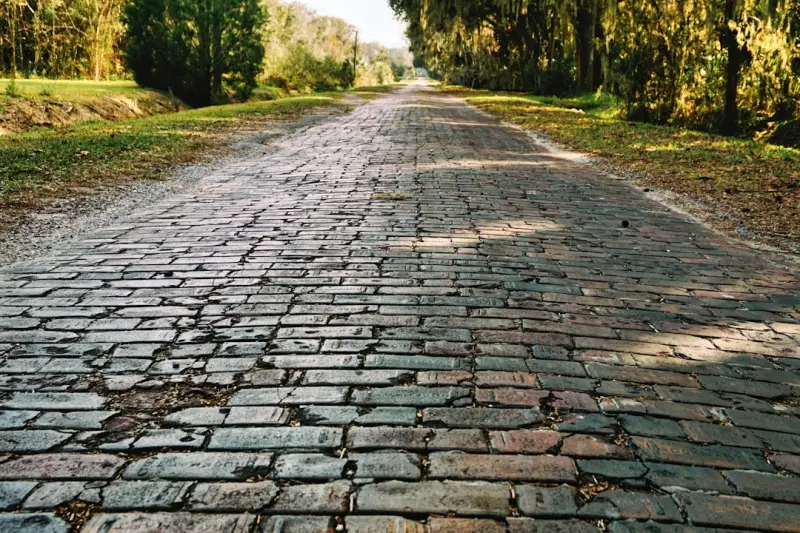
Paving the Way: Turning Hardscapes into a Competitive Advantage
A forward‑looking look at how data‑driven paving transforms concrete from a passive surface into... Read More
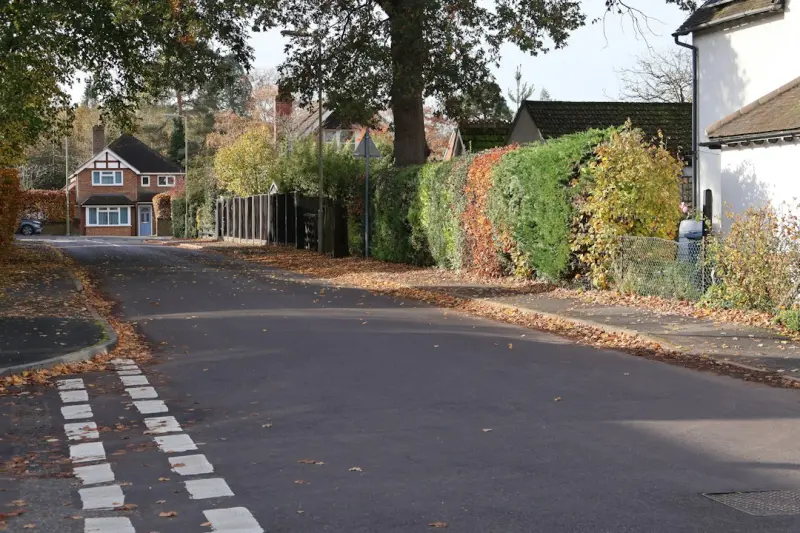
Intelligent Paving: Turning Streets into Data‑Driven, Sustainable Platforms
This article dives into the emerging world of intelligent paving, showing how embedded sensors, perm... Read More

When Pavement Talks: How Sensor‑Embedded Roads Are Changing the Way We Build Cities
Sensor‑embedded pavement turns ordinary roads into continuous data sources, enabling predictive ma... Read More
Top Posts

The Importance of Sustainable Lawn Care Practices
Sustainable lawn care practices are essential for promoting a healthy and resilient lawn while protecting the environment. Learn how to adopt sustainable lawn c...Read More
Concrete as a Brand‑Defining Asset: From Color to Data
Explore how modern businesses can transform concrete from a passive foundation into a dynamic brand asset using integrated color, rapid modular formwork, and em...Read More

Solar Energy: The Strategic Edge Your Business Isn’t Using
Solar is more than a green initiative; it’s a data‑rich, financially flexible, and brand‑amplifying platform. This post reveals how businesses can turn ro...Read More

Revitalizing Commercial Spaces: The Business Case for Human‑Centric Renovations
A fresh look at commercial renovations that puts humans at the core—learn why biophilic design, flexible layouts, and smart systems are the secret weapons for...Read More
0 Comments
Post Comment
You will need to Login or Register to comment on this post!