

When I first stepped onto a sprawling commercial property as a junior facilities coordinator, I treated maintenance like a necessary evil—something to get out of the way before the next rent check rolled in. Over the past decade, that mindset has flipped on its head. Today, I see each service call, each seasonal checklist, and every vendor invoice as a touchpoint that can deepen tenant loyalty, sharpen a building’s brand, and even open new revenue streams. The secret? Treating property maintenance not as a series of isolated tasks, but as a strategic, data‑driven experience that aligns with the broader goals of the owners, tenants, and the community.
Why Maintenance Matters Beyond the Checklist
Maintenance is traditionally framed as “keep the lights on” or “fix what breaks.” That narrow view ignores three critical realities:
- Tenant expectations have evolved. Millennials and Gen Z tenants expect the same seamless service they receive from on‑demand apps. A leaky faucet that sits for days becomes a reputation risk.
- Every repair is a data point. When you log a recurring HVAC issue or a pattern of door‑frame wear, you’re building a dataset that can predict future failures and inform capital budgeting.
- Maintenance can be monetized. From offering premium cleaning packages to turning a rooftop garden into a co‑working space, the same assets that need upkeep can generate income.
Understanding these layers is the first step in turning a reactive cost center into a proactive revenue engine.
The Three‑Tier Framework for a Revenue‑Focused Maintenance Strategy
In my experience, successful property managers adopt a three‑tier approach: Predict, Personalize, and Profit. Let’s unpack each tier.
1. Predict – Harnessing Data Before Anything Breaks
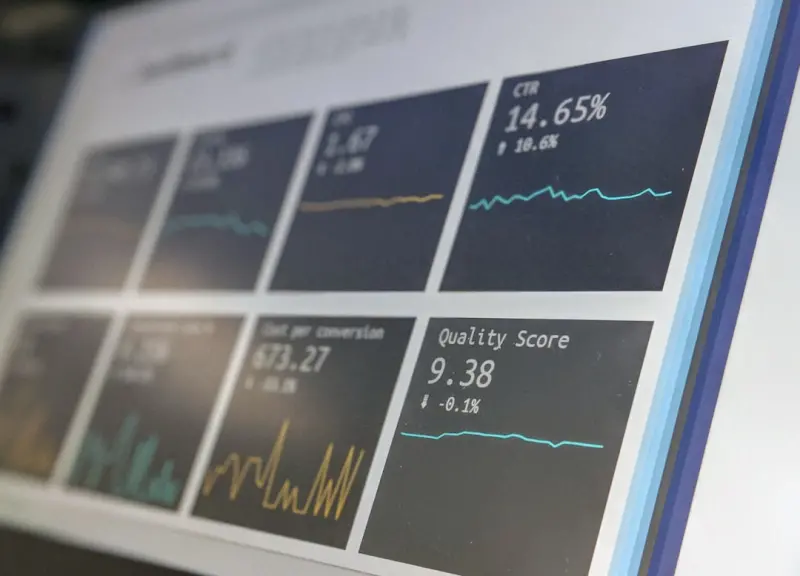
Modern buildings are bristling with sensors, from temperature probes in chill rooms to vibration monitors on elevators. While many organizations collect this data, few translate it into actionable insights.
Start by integrating a centralized Computerized Maintenance Management System (CMMS) that ingests real‑time telemetry. Set up automated alerts for out‑of‑range readings, then layer historical work order data to spot trends. For example, if a particular HVAC unit consistently spikes in energy draw every spring, you can schedule a pre‑emptive coil cleaning before the unit throttles performance.
Predictive analytics not only reduces emergency calls but also gives you a clearer picture of the asset lifecycle. That clarity becomes a bargaining chip when negotiating lease renewals—tenants love the confidence that “our building is always in top shape.”
2. Personalize – Turning Service into a Guest Experience
Think of each maintenance interaction as a moment to surprise and delight. Here are three tactics I’ve rolled out on properties under my stewardship:
- Self‑service portals. Give tenants a sleek mobile app where they can request service, track progress, and rate the experience. Real‑time visibility reduces frustration and provides immediate feedback.
- Scheduled “wellness” visits. Instead of waiting for a complaint, schedule quarterly walkthroughs that include minor touch‑ups—like polishing door handles or checking fire extinguisher dates. Pair these with a short “what’s new” bulletin about building amenities.
- Tiered service packages. Offer a basic maintenance plan and a premium “concierge” tier that includes priority scheduling, after‑hours support, and even complimentary seasonal décor refreshes for common areas.
These personalized touches not only boost tenant satisfaction scores but also open up upsell opportunities. A tenant who opts into the concierge tier may be more willing to lease additional square footage or sign a longer lease term.
3. Profit – Monetizing the Maintenance Ecosystem
Once you’ve built predictive capabilities and a tenant‑centric service model, look for ways to extract value directly from the maintenance ecosystem:
- Service subscriptions. The rise of handyman services subscription model shows that tenants are happy to pay a flat monthly fee for guaranteed rapid response. This turns an unpredictable expense into a steady revenue stream.
- Vendor marketplaces. Curate a vetted list of third‑party providers—cleaning crews, landscaping firms, tech installers—and earn a referral commission for each job booked through your platform.
- Space‑as‑a‑service. Convert under‑utilized areas (e.g., a basement storage room or a rooftop deck) into rentable micro‑offices or pop‑up event spaces, managed through the same maintenance workflow.
When maintenance is woven into the financial fabric of the property, every service call has the potential to add to the bottom line rather than just subtract from it.
Tech Stack Essentials: Building the Backbone of Your Strategy
To execute the Predict‑Personalize‑Profit framework at scale, you need a robust tech stack. Here’s my recommended toolkit:
- CMMS with IoT integration. Look for platforms that can pull data directly from building automation systems (BAS) and provide a unified dashboard.
- Tenant engagement portal. Choose a solution that supports mobile push notifications, real‑time ticket tracking, and in‑app payments.
- Collaboration platform. A modern collaboration platform for contractors ensures that onsite crews, remote specialists, and vendors stay in sync, reducing hand‑off friction.
- Analytics layer. Use a BI tool (Power BI, Tableau, or an open‑source alternative) to visualize trends, forecast costs, and model ROI for new revenue initiatives.
Integrating these tools may seem daunting, but start small. Automate one high‑frequency asset—like a building‑wide lighting system—before expanding to HVAC, elevators, and plumbing.
Case Study: Turning a Leaky Roof Into a Revenue‑Generating Feature
One of my most memorable projects involved a mid‑rise office building with a chronic roof leak that haunted the property management team for years. Tenants complained, insurance premiums rose, and the building’s reputation suffered.
Instead of merely patching the leak, we approached the issue as a redesign opportunity:
- Data collection. Sensors were installed to monitor moisture levels across the roof membrane. The data revealed that the leak was most severe during early morning dew, suggesting a condensation issue rather than a simple puncture.
- Predictive repair. Using the sensor data, we scheduled a full roof membrane replacement during the low‑occupancy summer window, avoiding costly emergency repairs.
- Revenue pivot. Post‑repair, the roof space was transformed into a green roof lounge—complete with Wi‑Fi, coffee bar, and solar‑powered lighting. Tenants could book the space for meetings, and the building earned a new rental income stream.
The outcome was striking: tenant satisfaction scores jumped 23 %, the building’s operating expenses dropped 12 % thanks to reduced HVAC loads, and the new lounge generated $150,000 in annual ancillary revenue. All of this stemmed from treating a maintenance nightmare as a strategic catalyst.
Overcoming Common Obstacles
Many property managers hit roadblocks when shifting from reactive to strategic maintenance. Here’s how I’ve helped teams navigate the most frequent challenges:
- Resistance to change. Start with quick wins—automate a single recurring task and showcase the time saved. Use that success story to build momentum.
- Data silos. Consolidate work orders, sensor feeds, and financial reports into one platform. A unified view eliminates duplicated effort and surfaces hidden patterns.
- Vendor pushback. Bring vendors into the conversation early. Show them how a predictable service schedule can streamline their own operations and improve cash flow.
- Budget constraints. Reframe technology spend as a revenue driver. When you can demonstrate a clear ROI—like the green‑roof case above—C‑suite stakeholders are far more likely to approve capital.
Future‑Proofing Your Maintenance Playbook
While the fundamentals of predictive, personalized, and profit‑centric maintenance will remain, several emerging trends will shape how we execute them:
- AI‑driven diagnostics. Building on the insights from AI‑powered energy inspections, next‑generation AI will not only flag anomalies but also prescribe exact remediation steps, reducing technician time on site.
- Digital twins of building systems. By creating a virtual replica of a property’s mechanical network, managers can simulate “what‑if” scenarios—like the impact of a new tenant load—before committing to physical changes.
- Subscription‑based consumables. Imagine a model where HVAC filters, light bulbs, and cleaning supplies are delivered on a schedule tied directly to your CMMS, ensuring nothing is ever out of stock.
- Hyper‑local sustainability incentives. Municipalities are rolling out credits for buildings that adopt proactive maintenance practices that reduce energy waste. Staying ahead of these programs can unlock additional financial benefits.
By staying attuned to these innovations, you’ll keep your maintenance strategy not just relevant, but a competitive differentiator.
Actionable Checklist for Property Managers
Ready to transform your maintenance approach? Use this quick‑start checklist:
- Audit existing maintenance data—identify gaps and duplicate entries.
- Select a CMMS that supports IoT sensor integration.
- Launch a pilot for a single high‑impact asset (e.g., HVAC) with predictive alerts.
- Develop a tenant‑facing portal and roll out a basic service request flow.
- Introduce a subscription maintenance tier for willing tenants.
- Partner with at least two vetted vendors and set up a referral fee structure.
- Track key metrics: mean time to repair (MTTR), tenant satisfaction, and ancillary revenue.
- Quarterly, review data trends and adjust preventive schedules accordingly.
Implementing these steps won’t happen overnight, but the compounding benefits—lower operating costs, higher tenant retention, and new revenue streams—are well worth the effort.
Final Thoughts: Maintenance as a Brand Builder
In the same way that a polished storefront invites customers inside, a well‑maintained property invites tenants to stay, grow, and invest. By reimagining maintenance as a strategic, experience‑driven function, you turn a traditionally invisible cost into a visible brand advantage. The tools are there, the data is waiting, and the opportunity to differentiate is massive. It’s time to stop treating maintenance as a chore and start treating it as the cornerstone of your property’s competitive edge.

Tom Ferguson is a Canadian freelance writer with a passion for storytelling, current events, and thoughtful commentary. Drawing on years of writing experience, he shares engaging insights on a wide range of topics, bringing a uniquely Canadian perspective to his work.
Related Posts

Drone‑Powered Property Maintenance: Seeing What You’ve Been Missing
Drones are redefining property maintenance by delivering fast, safe, and data‑rich inspections tha... Read More

The Importance of Regular Property Maintenance: A Comprehensive Guide
Regular property maintenance is crucial to prevent costly repairs, enhance your property's value, an... Read More
Predictive Property Maintenance: Turning Data Into Dollars
Predictive maintenance transforms property upkeep from a cost center into a profit driver. Learn pra... Read More
Top Posts

Reviving Classic Trim: A Handyman’s Guide to Timeless Home Restoration
A detailed, hands‑on guide walks you through assessing, repairing, and finishing classic baseboards and crown molding, blending historic respect with modern t...Read More

From Frame to Function: Rethinking Windows & Doors for a Circular Future
A circular fenestration strategy transforms windows and doors from disposable components into reusable assets, delivering cost savings, lower carbon footprints,...Read More

Sustainable Home Restoration: Turning Old Spaces into Green Havens
Learn to revitalize your home responsibly: assess structure, choose green materials, integrate smart tech, and create lasting value while protecting the planet....Read More

The Sensory Branding Power of Carpet Cleaning: How Scent and Shine Influence Workplace Culture
A clean, subtly scented carpet does more than look good—it reinforces brand values, improves morale, and becomes a strategic touchpoint in any workplace....Read More
0 Comments
Post Comment
You will need to Login or Register to comment on this post!