

Underfoot Comfort: Rethinking Floor Heating for a Smarter, Sustainable Home
When most people think about home comfort, the conversation stops at the thermostat on the wall. Yet a quiet revolution is happening beneath our feet. Modern floor heating isn’t just about keeping tiles warm; it’s a convergence point for energy efficiency, health‑focused design, and data‑driven building intelligence. In this deep‑dive, I’ll walk you through how the humble radiant system is morphing into a platform that can power sustainable homes, improve occupant wellbeing, and even become a silent partner in building automation.
1. From Warmth to Value: Why Floor Heating Deserves a Second Look
Historically, floor heating was a luxury reserved for high‑end homes or commercial spaces where the cost of installation could be justified by the prestige of “heated stone.” Today, the technology has shed its exclusivity thanks to advances in hydronic loops, electric mats, and low‑temperature heat exchangers. The real shift, however, is in perception: we now view floor heating as a strategic asset rather than a simple heating method.
- Uniform heat distribution eliminates cold spots, reducing the need for supplemental space heaters.
- Because the system operates at lower temperatures than traditional radiators, it pairs naturally with variable refrigerant flow and heat‑pump technologies, boosting overall system efficiency.
- Radiant heat contributes to thermal comfort that aligns with the body’s natural heat loss pathways, which can improve sleep quality and reduce stress.
When you look beyond the surface, floor heating becomes a lever for energy savings, occupant health, and architectural freedom. The question is no longer “should we install it?” but rather “how can we extract the most value from it?”
2. Energy Synergy: Pairing Radiant Heat with Renewable Sources
One of the most compelling arguments for modern floor heating is its compatibility with renewable energy systems. Because radiant floors operate efficiently at low water temperatures (typically 30‑45 °C), they can be powered by:
- Air‑source heat pumps (ASHP) – The modest temperature lift means the pump runs longer but at a lower coefficient of performance (COP) penalty.
- Ground‑source heat pumps (GSHP) – The stable underground temperature makes GSHPs an ideal match, delivering high COPs year‑round.
- Solar‑thermal collectors – In sunny climates, solar‑thermal loops can pre‑heat the water fed to the radiant circuit, shaving off grid electricity.
Integrating these sources isn’t just a technical exercise; it’s an opportunity to future‑proof a building’s energy strategy. For example, a home that couples a GSHP with a hydronic floor heating system can achieve a net‑zero heating footprint while maintaining comfort levels that exceed conventional HVAC expectations.
And the story doesn’t end there. By pairing floor heating with biophilic HVAC concepts, designers can create environments that feel more “alive.” Warm floors support indoor plants by providing gentle heat, which in turn improves air quality and occupant mood—an elegant feedback loop that blends technology with nature.
3. Data‑Driven Control: Turning Heat into Insight
In the era of smart buildings, any system that can generate data is a goldmine. Modern floor heating controllers now come equipped with:
- Room‑level temperature sensors that feed real‑time data to a central building management system (BMS).
- Flow and pressure monitoring for hydronic loops, enabling predictive maintenance before leaks or blockages become costly.
- Integration with occupancy sensors, so the system knows when a room is vacant and can intelligently reduce heating output.
These data streams empower facility managers to move from reactive maintenance to predictive strategies. Imagine receiving an alert that a specific loop’s flow rate has dipped by 15 %—the system can automatically schedule a flush or alert a technician before a failure occurs.
Moreover, data analytics can reveal usage patterns that inform design decisions. If a living space consistently requires a higher setpoint during winter evenings, the architect can consider adding thermal mass (e.g., concrete slabs) to store and release heat more effectively, reducing the heating load over time.
4. Health & Wellbeing: More Than Just Comfort
Thermal comfort is a cornerstone of occupant wellbeing, but floor heating offers additional health benefits that often go unmentioned:
- Reduced dust circulation – Unlike forced‑air systems, radiant heating doesn’t blow air, minimizing the movement of allergens and particulates.
- Improved circulation – Warm floors gently stimulate blood flow in the feet and lower limbs, which can be especially beneficial for seniors or individuals with circulation issues.
- Enhanced sleep quality – A warm floor under the bedroom can help maintain a stable ambient temperature, which research links to deeper, more restorative sleep cycles.
These subtle advantages stack up, creating a compelling case for developers and homeowners who prioritize health‑centric design.
5. Design Flexibility: When Aesthetics Meet Function
One lingering myth about floor heating is that it limits interior design options. In reality, the system’s low‑profile nature can be a catalyst for creativity. Because the heating elements sit beneath the finish material, designers can:
- Choose large-format tiles without worrying about uneven heat distribution—modern adaptive tile systems can even incorporate built‑in sensors for temperature monitoring.
- Install engineered hardwood or luxury vinyl planks that are engineered to conduct heat efficiently, expanding the palette beyond traditional stone.
- Integrate exposed concrete slabs that double as thermal mass, creating a minimalist aesthetic while storing heat for later release.
Because the heating is invisible, the design narrative can focus on material, pattern, and texture without compromise. It also means that retrofit projects can upgrade interiors without adding bulky radiators or ductwork.
6. Retrofitting Realities: Overcoming the “Old House” Barrier
Retrofitting an existing building with floor heating often feels like a daunting proposition, especially when the structure features multiple levels or limited ceiling height. However, a systematic approach can make the process smoother:
- Assess structural load capacity – Adding a concrete screed or additional layers may increase dead load. An engineering review ensures the floor joists can bear the extra weight.
- Map existing utilities – Coordinate with electrical and plumbing plans to avoid conflicts with the new hydronic or electric circuits.
- Choose low‑profile electric mats for rooms where a concrete overlay isn’t feasible; modern mats are only a few millimeters thick and can be installed over existing subfloors.
- Phase the installation – Start with high‑traffic areas (e.g., kitchens, bathrooms) and expand gradually, allowing occupants to experience the comfort benefits early.
- Leverage smart controls – Retrofitted systems can be integrated with existing BMS platforms, preserving the data-driven benefits without a full system overhaul.
When approached methodically, retrofitting can unlock the hidden value of older buildings, enhancing market appeal and tenant satisfaction.
7. The Future Landscape: Floor Heating as a Smart Building Platform
Looking ahead, floor heating is poised to become a multifunctional platform that does more than just warm a space. Emerging trends include:
- Embedded sensors for humidity and air quality – By placing sensors within the floor assembly, a system can monitor indoor environmental quality in real time.
- Dynamic load balancing with the electrical grid – Smart controllers can shift heating demand to off‑peak hours, participating in demand‑response programs and earning utility incentives.
- Integration with underfloor cooling – Dual‑purpose systems can provide summer cooling via chilled water loops, offering year‑round comfort without additional HVAC equipment.
- AI‑driven optimization – Machine‑learning models can predict occupancy patterns and adjust heating schedules for maximum efficiency and comfort.
These capabilities position floor heating as a cornerstone of the next generation of sustainable, resilient buildings. It’s not just a heat source; it’s an information conduit that can inform broader building performance strategies.
Conclusion: Embracing the Underfoot Evolution
Floor heating has traveled a long road from a niche luxury to a mainstream, data‑rich, health‑focused solution. Its low‑temperature operation dovetails with renewable energy, its invisible design respects architectural intent, and its emerging sensor ecosystem opens doors to smarter, healthier buildings.
For architects, developers, and facility managers, the message is clear: consider floor heating not as an add‑on, but as an integral component of a holistic, sustainable, and occupant‑centric design philosophy. The comfort you feel underfoot today could be the data point that powers a greener, smarter building tomorrow.

David MacKinnon is a dynamic freelance writer known for his captivating storytelling and keen insights into the world of technology. With a passion for exploring the intersection of innovation and everyday life, he crafts engaging narratives that not only inform but also inspire his readers.
Related Posts

Revolutionizing Home Comfort: The Future of Floor Heating
Floor heating is revolutionizing home comfort and energy efficiency. Learn about the benefits, types... Read More

Modular Radiant Floors: Speedy Retrofits for High‑Performance Buildings
A deep dive into modular electric radiant panels shows how they cut installation time, preserve hist... Read More

Heat From the Ground Up: How Radiant Floor Systems Redefine Modern Workspaces
Radiant floor heating offers uniform warmth, energy savings, and health benefits, making it a strate... Read More
Top Posts
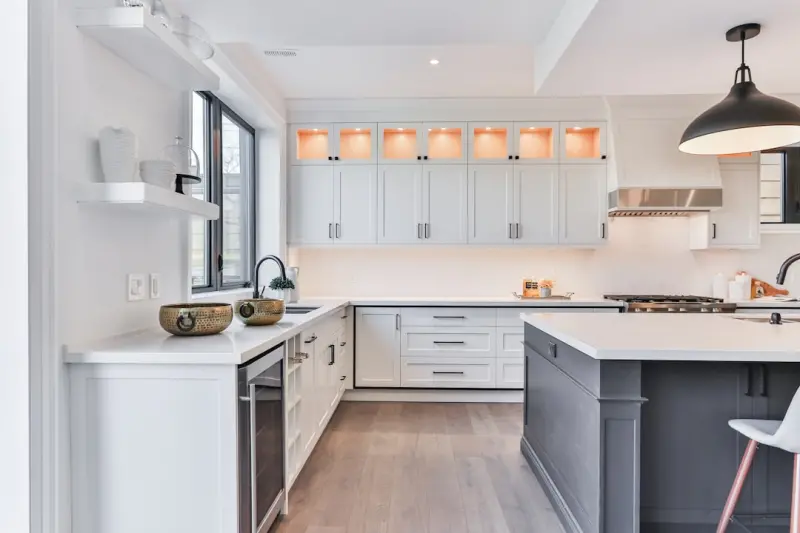
Quiet Kitchen Renovations: How Sound Design Transforms Your Cooking Space
Explore the art of quiet kitchen renovations, blending sound‑absorbing materials, biophilic design, and smart lighting to craft a serene, functional cooking h...Read More

Warmth Beneath the Feet: How Radiant Floor Heating Elevates Comfort and Sustainability
Radiant floor heating offers consistent warmth, lower energy use, and health advantages. Learn how smart controls, sustainable integration, and thoughtful desig...Read More
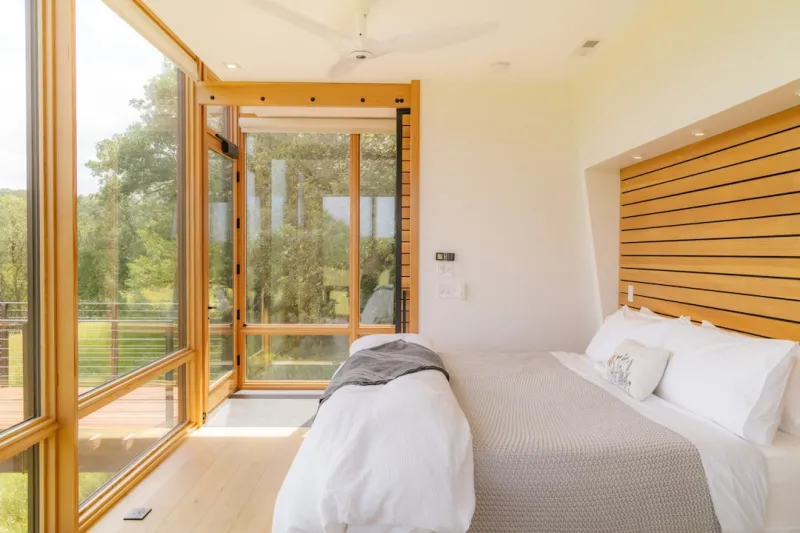
The Modern Homeowner’s Guide to Sustainable Windows and Doors
Explore how high‑performance glazing, smart integrations, and sustainable materials are reshaping windows and doors, with actionable maintenance hacks for las...Read More

Acoustic Architecture: Designing Spaces for Sound Wellness
Acoustic architecture shapes the soundscape of buildings, improving health, focus, and comfort. Learn strategies, case studies, and future tech that bring sound...Read More
0 Comments
Post Comment
You will need to Login or Register to comment on this post!