

Beyond the Grout: Adaptive Tile Systems Redefining Commercial Spaces
When I first walked into a downtown co‑working hub two years ago, the first thing that caught my eye wasn’t the sleek furniture or the airy open plan—it was the floor. Not just any floor, but a seamless expanse of large‑format porcelain tiles that seemed to breathe with the building. The tiles weren’t just covering the ground; they were communicating, adapting, and subtly guiding the experience of everyone who stepped on them. That moment sparked a deep dive into a technology that has quietly been reshaping how we think about tiling in the commercial realm.
Why Tiles Matter More Than Ever
Tiles have traditionally been relegated to the “decorative” or “protective” categories in construction glossaries. Yet, in the era of experience‑driven workspaces and data‑rich environments, they deserve a seat at the strategic table. Modern businesses are seeking:
- Visual branding that lasts. A floor can be the first brand touchpoint after the entrance lobby.
- Durability that withstands high foot traffic. From sneakers to rolling carts, a surface must survive.
- Integration with building systems. Imagine a floor that talks to HVAC or lighting.
- Sustainability and lifecycle value. Low‑maintenance, recyclable, and low‑VOC options are no longer optional.
These demands have driven a wave of adaptive tile systems—tiles that combine traditional aesthetics with smart materials, embedded sensors, and modular installation methods.
From Static Slabs to Interactive Surfaces
The first breakthrough I observed was the shift from static, monolithic slabs to modular tile panels that snap together like giant LEGO pieces. This approach reduces installation time by up to 40%, cuts waste, and makes future re‑configuration a breeze. In practice, a retailer can replace a single tile panel to refresh a brand color without re‑grouting an entire floor.
But the real game‑changer is the integration of functional layers beneath the visible surface:
- Embedded NFC tags. Customers can tap their phones on a tile to receive product info or promotional offers.
- Temperature sensors. Coupled with smart HVAC zoning, the floor can signal hot spots, prompting the system to adjust airflow before occupants even notice discomfort.
- Load‑monitoring arrays. In logistics hubs, tiles can alert managers when weight thresholds are approached, preventing floor fatigue.
These capabilities turn what was once a passive element into a dynamic data source, feeding facility managers real‑time insights without the need for separate infrastructure.
Design Meets Data: The Aesthetic Edge
Designers often worry that adding technology will compromise visual integrity. Fortunately, manufacturers have cracked that code. Today’s adaptive tiles are produced using high‑definition digital printing, allowing for:
- Full‑color gradients that shift subtly under different lighting conditions.
- Custom patterns that echo a brand’s visual language, from bold geometric motifs to delicate organic textures.
- Low‑gloss finishes that reduce glare while maintaining a premium look.
When paired with a strategic design‑forward approach, tiles become a branding canvas that is both beautiful and functional. For example, a tech conference center used a subtle binary code pattern etched into the tile surface—visible only at close range—reinforcing the venue’s tech‑savvy identity while staying understated.
Material Innovations: From Porcelain to Bio‑Composite
Traditional ceramic and porcelain tiles remain popular for their durability, but emerging materials are expanding the palette:
- Bio‑composite tiles. Made from agricultural waste fibers bound with bio‑resins, these tiles are 30% lighter and boast a carbon‑negative footprint.
- Recycled glass tiles. They add a sparkle to high‑traffic areas and can be fabricated with reclaimed glass, turning waste into a design asset.
- Ultra‑thin stone veneers. Only 3 mm thick, they provide the natural stone look without the weight penalties, making them ideal for retrofit projects where floor joists can’t bear extra load.
These options allow architects to meet green building certifications—LEED, BREEAM, WELL—while offering the tactile and visual qualities that occupants expect.
Installation Strategies for the Modern Facility
Deploying adaptive tile systems isn’t just about buying the right product; it’s about rethinking the installation workflow. Here are three strategies I’ve seen deliver measurable ROI:
- Pre‑fabricated sub‑bases. Instead of pouring a full concrete slab, contractors lay a lightweight, modular sub‑base that includes built‑in conduits for power and data. Tiles snap onto this grid, and the whole system can be lifted and relocated.
- Click‑lock underlayment. Similar to floating hardwood floors, this system uses a click‑lock mechanism that eliminates the need for traditional mortar in low‑traffic zones, reducing VOC emissions.
- Integrated sealing stations. Some manufacturers provide on‑site sealing machines that apply a protective coating as tiles are installed, ensuring a uniform finish and speeding up the curing process.
These methods reduce labor costs, lower material waste, and improve overall project timelines—critical factors for owners looking to stay on schedule and budget.
Maintenance Made Smarter
One of the biggest pain points for facilities teams is keeping large tile floors spotless and safe. Adaptive tiles simplify this in several ways:
- Self‑cleaning glazes. Using photocatalytic TiO₂ coatings, the surface breaks down organic dirt when exposed to indoor lighting.
- Embedded moisture sensors. They detect spills in real time and trigger floor‑level LED warnings, preventing slip hazards.
- Predictive wear analytics. By aggregating foot‑traffic data, software can forecast when a tile panel will likely need replacement, turning reactive repairs into scheduled maintenance.
These capabilities translate into lower long‑term operating expenses and a safer environment for employees and visitors alike.
Case Study: A Data‑Centric Retail Flagship
To illustrate the impact, let’s look at a recent project I consulted on—a flagship retail store in a major metropolitan hub. The client’s brief was clear: create a floor that reinforced their brand identity, supported high foot traffic, and provided real‑time shopper insights.
The solution was a hybrid tile system:
- Large‑format porcelain tiles printed with the brand’s signature gradient.
- Embedded NFC tags that unlocked exclusive digital content when shoppers tapped their phones.
- Under‑tile pressure sensors linked to a dashboard showing foot‑traffic heat maps.
- Self‑cleaning glaze to reduce daily maintenance labor.
Results after six months:
- Foot‑traffic conversion rates increased by 12% due to the interactive NFC experience.
- Cleaning crew hours dropped by 25% thanks to the self‑cleaning surface.
- The client used the heat‑map data to reposition high‑margin displays, boosting average transaction value by 8%.
This case demonstrates how tiles, when treated as an intelligent platform, can become a strategic asset rather than a background material.
Future Horizons: Sensor‑Embedded Surfaces
Looking ahead, the line between tile and sensor is blurring. Researchers are experimenting with sensor‑embedded surfaces that can monitor air quality, detect structural stress, and even generate energy through piezoelectric effects. Imagine a conference center floor that harvests energy from footsteps to power its digital signage—an elegant loop of sustainability and user engagement.
While these innovations are still emerging, early adopters are already seeing the competitive advantage of being a “data‑rich” space. In a market where experience differentiates brands, having a floor that tells a story—and gathers stories—creates a virtuous cycle of engagement.
Implementation Checklist for Decision‑Makers
Before you dive into an adaptive tile project, run through this quick checklist:
- Define objectives. Are you after branding, data collection, sustainability, or a mix?
- Assess load requirements. High‑traffic zones need reinforced panels.
- Map integration points. Identify HVAC, lighting, or network systems that could benefit.
- Choose material wisely. Balance aesthetics with weight, durability, and environmental impact.
- Plan for future upgrades. Modular systems should allow swapping out panels without major demolition.
Having clarity on these points will streamline the procurement process and ensure that your tile investment aligns with broader business goals.
Conclusion: Tiles as a Strategic Canvas
Tiles have graduated from a purely decorative role to become an intelligent, adaptable platform that can enhance brand presence, improve operational efficiency, and support sustainability targets. By embracing modular installation, embedded sensors, and innovative materials, commercial spaces can transform a simple floor covering into a powerful asset.
In my experience, the most successful projects are those that treat the floor not as an afterthought but as a core component of the building’s digital and experiential ecosystem. As the line between architecture and technology continues to blur, the humble tile is poised to take center stage.

Lifan Chen is a freelancer based in Toronto specializing in marketing. With expertise in crafting effective marketing strategies and campaigns, Lifan helps businesses grow their brand presence and reach target audiences. As a Toronto-based freelancer, Lifan combines local market insights with creative marketing skills to deliver tailored solutions for clients.
Related Posts
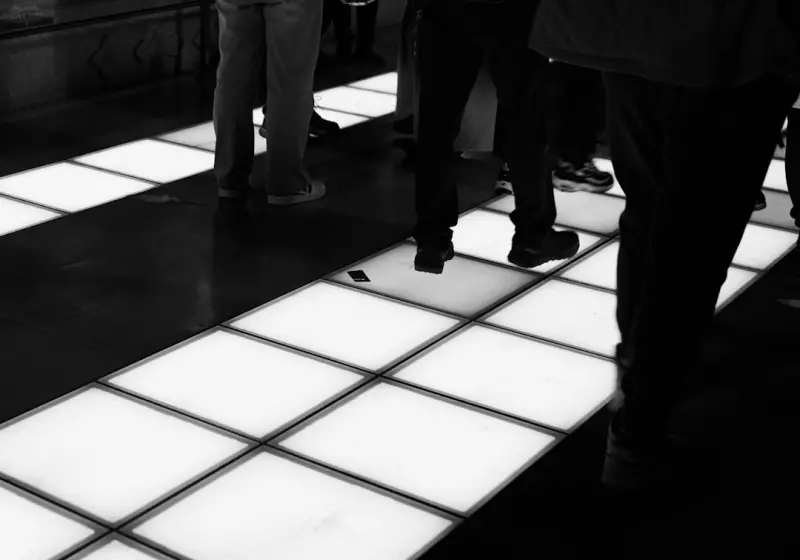
Interactive Tiles: Data, Light & Future Floors
Tiles are evolving from static coverings into smart, data‑rich platforms that sense occupancy, reg... Read More

The Green Revolution in Tiling: Sustainable Solutions for a Modern Home
The demand for sustainable tiling solutions is on the rise. Learn about the latest eco-friendly mate... Read More

Tile Talk: Turning the Floor into a Strategic Business Canvas
A deep dive into how modern tiling can serve as a silent business lever—improving durability, acou... Read More
Top Posts
Eco‑Smart Painting: Turning Walls into Sustainable, Connected Assets
Explore how low‑VOC paints, AI‑driven color selection, and conductive paint technology transform home painting into a sustainable, data‑rich practice that...Read More
Rethinking Decks: From Seasonal Patio to Year‑Round Asset
A forward‑looking look at how decks are evolving beyond seasonal patios into adaptable, tech‑enhanced platforms that support work, wellness, and revenue gen...Read More

Bringing the Outdoors In: Biophilic Home Construction for Modern Living
This article dives into biophilic home construction, outlining scientific benefits, core design pillars, material choices, smart integrations, and real‑world ...Read More
The Intelligent Insulation Playbook: Turning Walls into Data‑Driven Assets
Insulation is evolving from a static barrier to an intelligent, data‑rich skin that boosts energy efficiency, health, and sustainability. Learn the steps to m...Read More
0 Comments
Post Comment
You will need to Login or Register to comment on this post!