
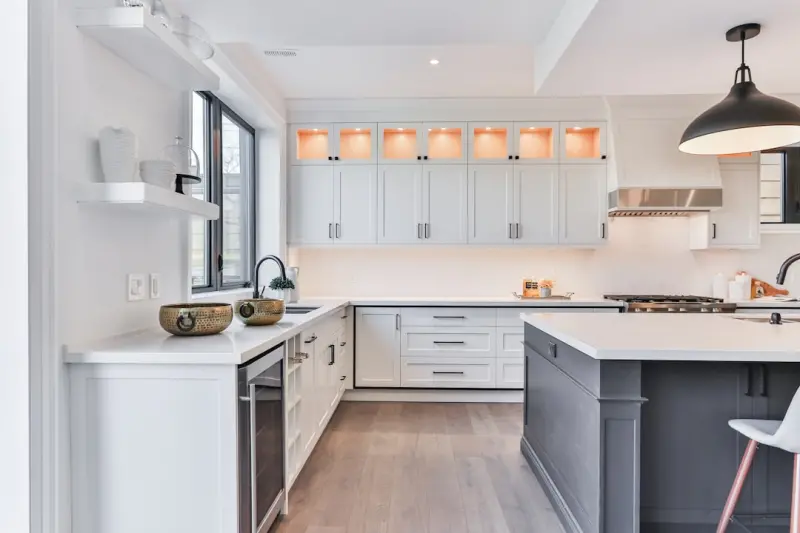
Turning the Kitchen into a Quiet Sanctuary
When most homeowners think about a kitchen remodel, the first images that surface are gleaming appliances, bold backsplashes, and open‑concept flow, yet the soundscape of the space often remains an afterthought, leaving cooks battling echo‑filled clatter from pots, the whirr of ventilation, and the chatter of family gatherings. Imagine stepping into a kitchen where the sizzle of a sauté pan is crisp, the hum of the refrigerator is a gentle whisper, and conversations feel intimate rather than competing with background noise; this is the subtle luxury that a thoughtfully acoustic‑tuned renovation can deliver. By treating sound as a design element rather than an incidental byproduct, you can craft a room that supports both culinary precision and the restorative pause you crave after a long day.
Materials That Absorb, Not Amplify
Choosing the right surfaces is pivotal, because hard, reflective finishes like glossy tile or polished stone can bounce sound waves around, turning a simple dinner prep into a cacophony, whereas textured materials such as matte ceramic, acoustic‑grade wall panels, and cork flooring act as natural dampeners, softening reverberation without sacrificing style. Ceiling treatments, from insulated panels to fabric‑wrapped baffles, can be integrated seamlessly into modern aesthetics, while under‑cabinet inserts of acoustic foam hide behind the culinary workstations, catching the clatter of knives and the pop of a toaster. Even the choice of cabinet doors matters; opting for solid‑core construction over hollow‑core reduces vibration transmission, ensuring that the gentle closing of a drawer doesn’t echo across the room.
Biophilic Design Meets Acoustic Harmony
Bringing nature indoors does more than please the eye; the organic textures of reclaimed wood, stone, and living plant walls introduce irregular surfaces that scatter and absorb sound, creating a calmer atmosphere that aligns with the growing trend of biophilic design. Pairing these elements with strategically placed acoustic panels—finished in warm wood tones or woven fabrics—allows the kitchen to feel both vibrant and hushed, while also supporting sustainability goals. For those seeking an eco‑conscious yet stylish surface, explore sustainable countertop options that combine reclaimed materials with engineered cores designed to dampen impact noise, turning the very heart of the kitchen into a quiet, resilient hub.
Re‑thinking the Classic Work Triangle
While the traditional work triangle remains a cornerstone of functional kitchen design, modern renovations can expand its logic by incorporating “quiet zones” that separate high‑noise zones—like the stovetop and dishwasher—from low‑noise zones such as a coffee bar or informal dining nook, allowing multiple activities to coexist without auditory interference. By aligning the sink, stove, and refrigerator along a slightly offset line and inserting a buffer island equipped with sound‑absorbing panels, you create a flow that respects both efficiency and serenity. This subtle shift not only preserves the ergonomic benefits of the triangle but also introduces a spatial choreography that guides traffic away from the busiest auditory hotspots.
Hidden Storage That Doesn’t Shout
Maximizing storage without compromising acoustic comfort involves clever concealment strategies, such as pull‑out pantry drawers lined with soft‑close dampers, toe‑kick cabinets that house recycling bins, and ceiling‑mounted pot racks that double as acoustic baffles, each designed to minimize clatter when accessed. When installing new cabinetry, it’s essential to ensure every seam is sealed to prevent drafts and rattles; a quick reference to seal your new cabinetry can guide homeowners through the finishing touches that keep doors whisper‑quiet and drawers glide smoothly, preserving the kitchen’s tranquil vibe long after the renovation is complete.
Layered Lighting for Mood and Clarity
Lighting, much like sound, can be layered to support both function and ambiance, with a three‑tiered approach that includes ambient overhead fixtures, task‑oriented under‑cabinet LEDs, and accent lighting that highlights architectural features or a herb garden, each controllable via smart dimmers for precise mood setting. Integrating voice‑activated controls allows you to dim the lights without leaving the stovetop, reducing the need for frantic manual adjustments that can disrupt the flow of cooking. By selecting fixtures with diffusers that scatter light evenly, you also avoid harsh glare that can cause visual fatigue, complementing the acoustic softness with a visual calm.
The Psychology of Color in a Quiet Kitchen
Color choices have a profound impact on perceived noise levels; cool blues and muted greens tend to evoke a sense of calm, subtly lowering the brain’s stress response to ambient sounds, while bold reds and oranges can energize the space but may also amplify the perception of clamor. By pairing a soft, pastel backsplash with warm wood tones on the floor, you create a balanced palette that supports both conversation and concentration, ensuring that the kitchen feels inviting yet focused. Incorporating matte finishes over high‑gloss options further reduces reflective surfaces that can visually “bounce” light, mirroring the acoustic strategy of minimizing reflections.
Managing Timeline, Budget, and Contractor Collaboration
Successful kitchen renovations that prioritize acoustic and aesthetic harmony require meticulous planning, beginning with a detailed scope that outlines material selections, sound‑absorbing installations, and lighting schematics, allowing you to allocate budget percentages—typically 10‑15%—specifically for acoustic treatments. Engaging a contractor early in the design phase ensures that structural considerations, such as floor joist reinforcement for heavy acoustic panels, are addressed before framing, preventing costly re‑work. Regular site visits and a shared project timeline, perhaps managed through a collaborative app, keep everyone aligned, reducing the risk of delays that can erode the excitement of a quiet, well‑designed kitchen.
Embracing the Quiet Kitchen as a Lifestyle Upgrade
In the end, a kitchen that whispers rather than shouts becomes more than a culinary workspace; it transforms into a sanctuary where meals are prepared with mindfulness, conversations flow without competing with clatter, and the home’s overall energy feels balanced and restorative. By weaving together acoustic‑friendly materials, biophilic elements, strategic layout, and layered lighting, you elevate the everyday cooking experience into a harmonious ritual that supports health, creativity, and connection. Ready to embark on a renovation that values sound as much as style? Start by mapping your acoustic goals today, and watch your kitchen become the quiet heart of your home.

Kelly Reynolds is a dynamic freelance writer hailing from the picturesque landscapes of Alberta. A master of the written word, she juggles her passion for storytelling with the exhilarating chaos of being a mother to five spirited children. With an impressive portfolio that spans various genres, Kelly captivates readers through her engaging blog posts and thought-provoking articles.
Related Posts

From Blueprint to Bounty: Crafting a Sustainable Kitchen Renovation That Feels Like Home
Explore a step‑by‑step, sustainable kitchen renovation guide that blends modern design, smart te... Read More
Reimagining Kitchens: Sustainable Flexibility for Modern Life
Discover a fresh approach to kitchen renovations that blends modular design, reclaimed materials, an... Read More
A Sustainable Kitchen Renovation That Feels Like Home
A personal, step‑by‑step guide to a sustainable kitchen remodel, blending reclaimed materials, s... Read More
Top Posts

When Your Fridge Talks: The Future of Appliance Repair
This article reveals the shift from reactive fixes to predictive, subscription‑based appliance repair, highlighting IoT sensors, AI diagnostics, and circular ...Read More

Harvesting Rain: Turning Gutters into Sustainable Assets for Modern Buildings
A forward‑looking guide on redesigning gutters for rainwater capture, integrating storage, usage, and maintenance to deliver tangible sustainability and cost ...Read More

Breathing Easier: The Intersection of Insulation and Indoor Air Quality
This article delves into how vapor‑permeable, bio‑based insulation can improve indoor air quality, reduce moisture‑related problems, and still deliver ene...Read More

Reviving Workspaces: Sustainable Strategies for Modern Commercial Renovations
A seasoned renovator shares proven, sustainable methods to transform commercial spaces—balancing design, energy savings, and long‑term value for businesses ...Read More
0 Comments
Post Comment
You will need to Login or Register to comment on this post!