
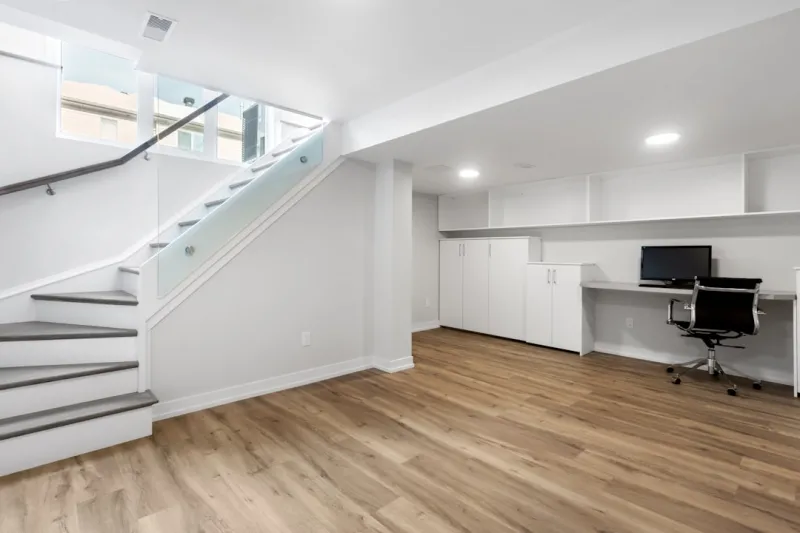
As Paul Gray, I’ve seen countless homes transform, but few areas offer as much untapped potential as the humble basement. It's often relegated to storage, laundry, or simply being "that dark, damp place downstairs." But what if I told you that beneath your feet lies a goldmine of extra living space, just waiting to be unearthed? A well-executed basement renovation isn't just about adding square footage; it's about reimagining your home, boosting its value, and crafting an environment perfectly suited to your evolving needs.
From a cozy family room to a vibrant home office, an additional bedroom, or even a rental suite, the possibilities are virtually limitless. Done right, a basement renovation can be one of the smartest investments you make in your property. But "done right" is the key phrase here. There's a lot more to it than just throwing up some drywall. Let’s dive deep into how you can unlock the full potential of your underground space.
The Foundation of Success: Planning and Preparation
Before you even think about swinging a hammer, meticulous planning is paramount. This isn't just a suggestion; it's the bedrock of a successful, stress-free renovation. Without a clear vision and a solid plan, you risk costly mistakes, frustrating delays, and a finished product that falls short of your dreams.
Envisioning Your Dream Basement
- Define the Purpose: What do you *need* this space to be? A media room for movie nights? A quiet guest suite? A productive home office? A play area for the kids? Having a clear primary function will guide all subsequent decisions.
- Consider Future Needs: Will your family grow? Do you plan to age in place? Design with flexibility and longevity in mind.
- Inspiration Gathering: Look at magazines, Pinterest, and Houzz. Collect images and ideas that resonate with you. This helps communicate your vision to designers and contractors.
Budgeting for Reality
This is where dreams meet reality. Basement renovations can vary widely in cost depending on the scope. A basic finish will cost significantly less than adding a bathroom or kitchen. Be realistic about what you can afford, and always, always add a contingency fund – usually 10-20% – for unforeseen issues.
- Get Multiple Quotes: Don't settle for the first estimate. Talk to several reputable contractors and compare their proposals.
- Detailed Breakdown: Ensure quotes are detailed, breaking down costs for labor, materials, permits, and subcontractors.
- Prioritize: If your budget is tight, identify what features are "must-haves" and what are "nice-to-haves" that can be added later.
Permits and Regulations: Don't Skip This Step!
Ignoring local building codes and permits is a recipe for disaster. Not only can it lead to hefty fines, but it can also compromise the safety and structural integrity of your home, and even complicate future resale. Most municipalities require permits for structural changes, electrical work, plumbing, and even significant cosmetic changes.
- Research Local Codes: Visit your local municipal office or website. They often have comprehensive guides for homeowners.
- Work with Professionals: A good contractor or architect will be familiar with local codes and can help navigate the permitting process.
- Egress Requirements: If you're adding a bedroom, you absolutely *must* have an egress window or door for safety. This is non-negotiable and strictly enforced.
Tackling the Tough Stuff: Critical Infrastructure
Before you get to the fun stuff like paint colors and furniture, you’ve got to address the foundational elements that make a basement truly livable. Skimping here will lead to headaches and costly repairs down the line.
Waterproofing and Moisture Control
This is arguably the most critical step. Basements are inherently susceptible to moisture. Ignoring this can lead to mold, mildew, structural damage, and ruined finishes. Don’t even think about drywall until your basement is dry as a bone.
- Exterior Solutions: Consider exterior weeping tile systems, proper grading away from the foundation, and extending downspouts.
- Interior Solutions: Sump pumps, interior drainage systems, vapor barriers on walls and floors, and dehumidifiers are key.
- Seal Cracks: Inspect your foundation walls for cracks and have them professionally sealed.
Structural Considerations
Before removing any walls or altering support columns, consult with a structural engineer. Your basement supports the rest of your house. Unauthorized alterations can have catastrophic consequences.
- Load-Bearing Walls: Identify if any walls are load-bearing. If so, modifications require professional engineering and proper support.
- Support Columns: These are vital. Never remove or alter them without professional guidance.
Electrical and Plumbing Systems
Adding new circuits, outlets, lighting, and especially bathrooms or kitchens, will necessitate significant upgrades to your electrical and plumbing. This is almost always a job for licensed professionals.
- Electrical Upgrades: A finished basement requires adequate power. You might need to upgrade your electrical panel or add new circuits. Ensure all work meets code.
- Plumbing Layout: If you're adding a bathroom or wet bar, consider the existing main drain and water lines. Sometimes, a sewage ejector pump is required if new fixtures are below the main sewer line. For a deeper dive into what makes mastering your home's plumbing system so important, especially in a renovation, it’s worth understanding the unseen networks at play.
- HVAC and Ventilation: Basements can be notoriously cold or damp. Extend your existing HVAC system or consider supplementary heating/cooling. Good ventilation is crucial to prevent stale air and moisture buildup.
Designing Your Dream Space: Aesthetics and Functionality
Once the infrastructure is solid, you can shift your focus to making the space beautiful and highly functional. This is where your vision truly comes to life.
Layout and Zoning
Think about how different areas will flow and function. Use furniture, half-walls, or even different flooring materials to define distinct zones within an open-concept basement.
- Family Room/Media Center: Position large screen TVs away from direct light sources to avoid glare. Consider soundproofing for an optimal experience.
- Guest Suite/Bedroom: Ensure privacy and, as mentioned, adequate egress windows. A nearby bathroom adds significant value and convenience.
- Home Office: Locate it in a quieter corner if possible, with ample lighting and power outlets.
- Playroom: Durable, easy-to-clean surfaces are a must.
Lighting Strategies: Banishing the Dungeon Feel
Basements are often naturally dark, so lighting is critical. A combination of different light sources will create a warm, inviting atmosphere.
- Recessed Lighting: Provides excellent general illumination without taking up head space.
- Task Lighting: Floor lamps, desk lamps, and sconces for specific activities.
- Accent Lighting: Uplighting or picture lights can highlight architectural features or artwork.
- Natural Light: Maximize any existing windows, and if possible, consider adding or enlarging egress windows. Remember, windows and doors define your home's future, and this is especially true in a basement where they can transform the entire feel of the space.
Material Choices: Durability Meets Design
The unique environment of a basement often dictates specific material choices. Prioritize moisture-resistant and durable options.
- Flooring:
- Luxury Vinyl Plank (LVP) or Tile: Excellent choices for moisture resistance and durability.
- Engineered Hardwood: Can work, but ensure proper subfloor preparation and moisture barriers.
- Carpet: Can add warmth but choose synthetic, low-pile options and use proper underlayment. Avoid direct concrete contact.
- Walls:
- Mold-Resistant Drywall: A smart investment.
- Insulation: Crucial for comfort and energy efficiency. Consider rigid foam insulation directly against foundation walls.
- Ceilings:
- Drywall: Creates a finished look but makes future access to utilities difficult.
- Drop Ceilings: Offer easy access to pipes and wires, and modern options look far better than their predecessors. They can also help with sound dampening.
Finishing Strong: The Details That Matter
Once the major construction is done, it's the finishing touches that elevate your basement from merely "finished" to truly "fabulous."
Paint Colors and Decor
Opt for lighter, brighter paint colors to counteract the lack of natural light. Strategic use of mirrors can also make a space feel larger and reflect light. Choose decor that aligns with the overall aesthetic of your home, creating a cohesive flow.
Egress and Safety
Reiterating this because it's so vital: if you have a bedroom in your basement, an egress window or door is a must. These are life-safety requirements, providing an escape route in case of fire and an entry point for emergency responders. Beyond egress, consider smoke detectors, carbon monoxide detectors, and clearly marked fire extinguishers.
DIY vs. Professionals: Knowing Your Limits
While some aspects of a basement renovation can be tackled by a competent DIYer, critical tasks like structural work, electrical, plumbing, and HVAC should almost always be left to licensed professionals. This isn't just about skill; it's about safety, code compliance, and ensuring your home's insurance remains valid.
- DIY Friendly: Painting, flooring (some types), trim work, some demolition (non-load bearing).
- Professional Required: Anything involving permits – electrical wiring, major plumbing, structural changes, gas lines, HVAC installation.
The ROI: Why It’s Worth It
A well-renovated basement offers an impressive return on investment. It significantly increases your home's usable living space and, consequently, its market value. Beyond monetary gains, you gain invaluable functional space for your family, whether it's a dedicated workspace, a vibrant entertainment zone, or a comfortable sanctuary for guests.
Basement renovations are a big undertaking, no doubt about it. They require careful planning, significant investment, and often, the expertise of various professionals. But the rewards – an expanded, functional, and beautiful home – are immense. Approach it with patience, diligence, and a clear vision, and you'll transform that unused underground space into an invaluable asset for years to come. For an even more comprehensive perspective on planning your project, consider reviewing our ultimate guide to basement renovations.

Paul Gray is a dynamic blogger based in Brampton, where he shares his life with his amazing wife, Sarah. Known for his engaging writing style and relatable insights, Paul has carved out a niche in the blogging world that resonates with readers from all walks of life. When he's not crafting captivating posts, you can find him savoring a cold beer or indulging in the latest blockbuster movie. With a friendly demeanor and a passion for storytelling, Paul brings a unique perspective to his work, making him not just a blogger, but a voice for those who appreciate the simple joys of life.
Related Posts
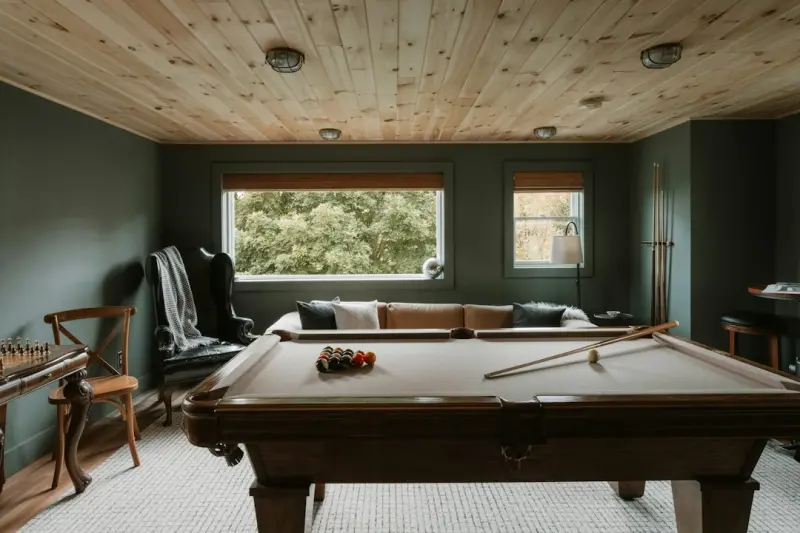
Eco‑Friendly Basement Makeovers: Sustainable Design From the Ground Up
Discover how to turn a dull basement into a green living hub using reclaimed wood, low‑VOC finishe... Read More
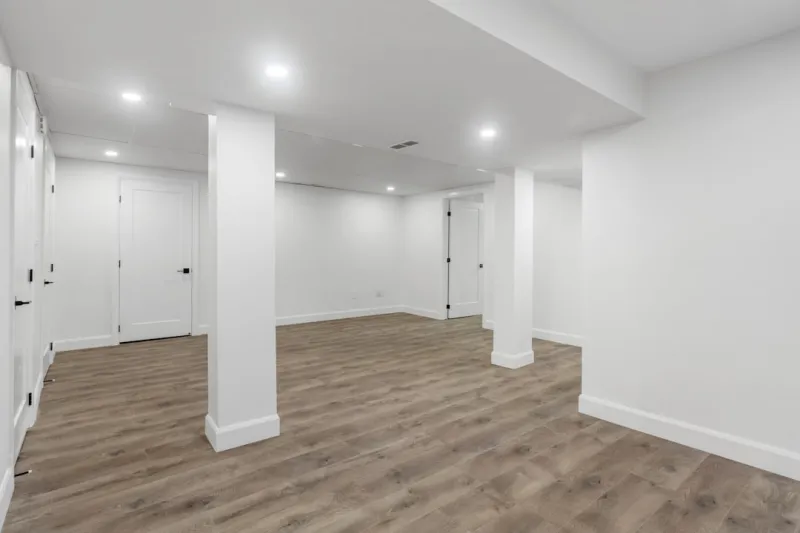
Unlocking the Underground: Your Ultimate Guide to Basement Renovations
Ready to transform your neglected basement into a vibrant, functional extension of your home? Learn ... Read More
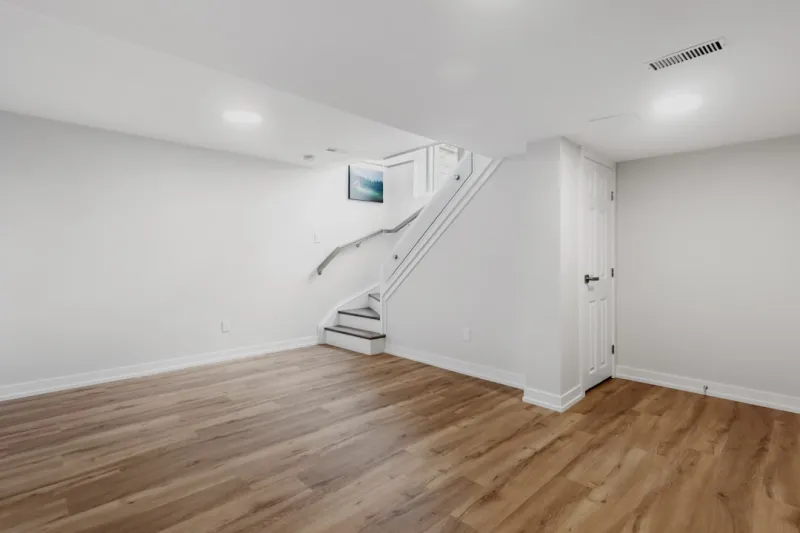
Transforming My Basement: A Sustainable Renovation Journey
A hands‑on walkthrough of turning a neglected basement into a stylish, sustainable living area, pa... Read More
Top Posts

Concrete’s Quiet Revolution: Sustainable, Smart, and Strong
Explore concrete’s evolution into a low‑carbon, smart, and resilient material that’s reshaping sustainable construction and renovation practices....Read More
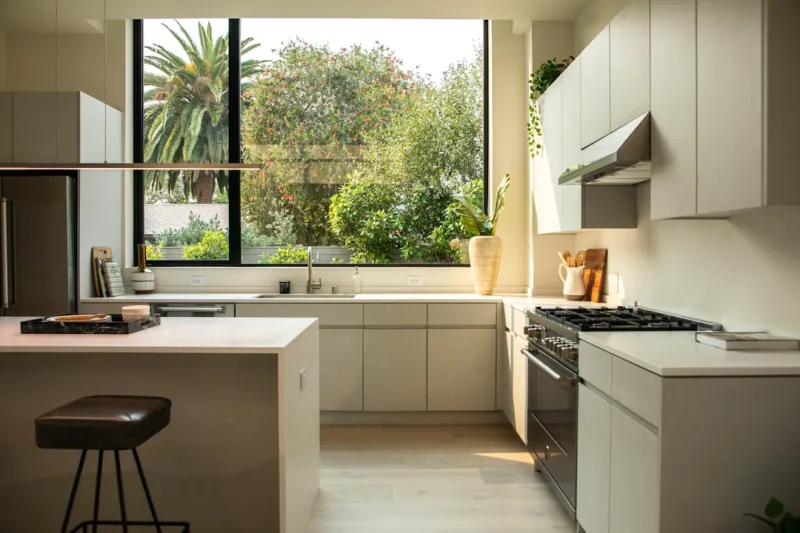
Revolutionizing Kitchen Design: The Future of Countertops
The future of countertops is here. Learn how sustainable materials, innovative manufacturing processes, and smart home renovations are transforming kitchen desi...Read More

Seasonal Weatherproofing: A DIY Playbook for a Resilient Home
Learn how to fortify your house for every season with simple, cost‑effective measures—from window sealing to landscape grading—so storms, drafts, and mois...Read More

A Sustainable Home Alarm System That Truly Works
I’ve spent years testing alarm tech, and I finally cracked the formula for a system that protects my family while honoring the planet—here’s how you can d...Read More
0 Comments
Post Comment
You will need to Login or Register to comment on this post!