
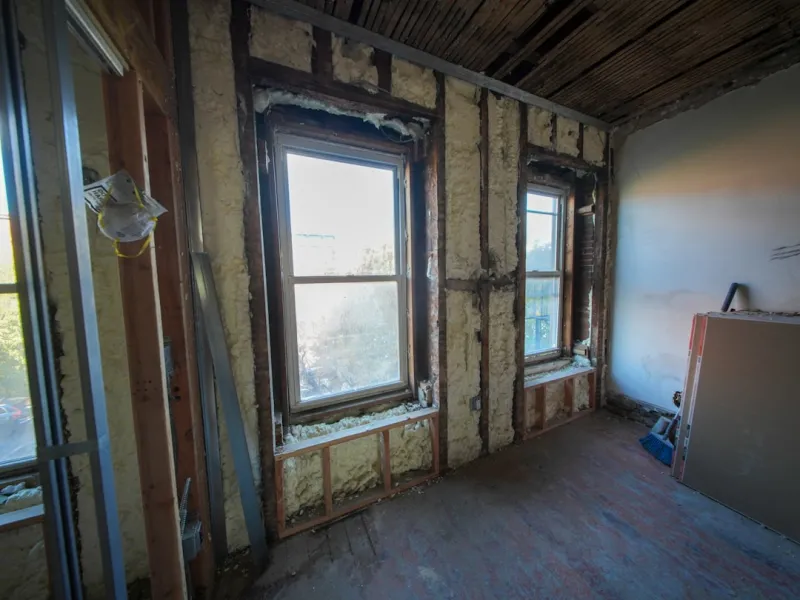
The Evolution of Insulation: How Modern Materials Are Changing the Game
As a construction expert with years of experience under my belt, I've seen firsthand the impact that insulation can have on a building's energy efficiency and overall comfort. In this article, I'll explore the evolution of insulation, from traditional materials to modern marvels, and how they're changing the game for homeowners and builders alike. Whether you're planning a renovation or building a new home, understanding the latest insulation technologies can help you make informed decisions and stay ahead of the curve.
Insulation has come a long way since the days of fiberglass batts and loose-fill cellulose. Today, there are a wide range of materials and technologies available, each with its own unique benefits and drawbacks. One of the most significant advancements in recent years has been the development of high-performance insulation materials, such as spray foam and rigid foam board. These materials offer superior thermal performance and can be used in a variety of applications, from walls and ceilings to floors and roofs.
The Importance of Energy Efficiency
Energy efficiency has become a top priority for homeowners and builders in recent years, and insulation plays a critical role in achieving this goal. By reducing heat transfer and minimizing air leakage, insulation can help to lower energy bills and create a more comfortable living space. In fact, according to the U.S. Department of Energy, a well-insulated home can save homeowners up to 30% on their energy bills. That's a significant cost savings, especially for homeowners who live in extreme climates. For more information on energy efficiency, check out my previous article on The Importance of Energy Inspections in Home Renovations.
When it comes to choosing the right insulation material, there are many factors to consider. Some materials, like fiberglass and cellulose, are more affordable and widely available, while others, like spray foam and rigid foam board, offer superior performance but come at a higher cost. Ultimately, the best insulation material for your project will depend on your specific needs and budget. For example, if you're looking for a cost-effective solution for a small project, fiberglass batts may be the way to go. On the other hand, if you're building a high-performance home or looking to maximize energy efficiency, spray foam or rigid foam board may be a better choice.
Advanced Insulation Materials
In recent years, there have been significant advancements in insulation technology, including the development of advanced insulation materials like aerogel and vacuum insulation panels. These materials offer unparalleled thermal performance and are being used in a variety of applications, from building envelopes to HVAC systems. Another exciting development is the use of recycled materials in insulation products. For example, some insulation manufacturers are using recycled denim or recycled glass to create their products. Not only does this reduce waste and support sustainability, but it also provides a unique texture and performance profile compared to traditional materials.
The Benefits of Modern Insulation
So, what are the benefits of modern insulation materials? For starters, they offer superior thermal performance, which can help to reduce energy bills and create a more comfortable living space. They also tend to be more durable and long-lasting than traditional materials, which can reduce maintenance and repair costs over time. Additionally, many modern insulation materials are designed to be more environmentally friendly, using recycled materials or sustainable production processes. For example, some insulation products are made from recycled materials like recycled denim or recycled glass.
Common Insulation Mistakes to Avoid
While modern insulation materials offer many benefits, there are also some common mistakes to avoid when installing them. One of the most common mistakes is inadequate installation, which can lead to reduced performance and increased energy bills. Another mistake is using the wrong material for the job. For example, using fiberglass batts in a high-moisture area can lead to reduced performance and increased risk of mold and mildew. By understanding the unique characteristics and requirements of each insulation material, you can ensure a successful installation and optimal performance.
The Future of Insulation
As we look to the future, it's clear that insulation will continue to play a critical role in building design and construction. With the increasing focus on energy efficiency and sustainability, it's likely that we'll see even more innovative insulation materials and technologies emerge. One area that's gaining attention is smart insulation, which uses advanced materials and sensors to optimize energy performance and comfort. Another area is insulation for extreme climates, which requires specialized materials and designs to withstand extreme temperatures and weather conditions.
Conclusion
In conclusion, the evolution of insulation has come a long way in recent years, with modern materials and technologies offering superior performance and sustainability. Whether you're a homeowner or builder, understanding the latest insulation options can help you make informed decisions and stay ahead of the curve. By choosing the right insulation material for your project and avoiding common mistakes, you can enjoy a more comfortable, energy-efficient, and sustainable living space. For more information on insulation and other construction topics, be sure to check out my other articles, including The Hidden Dangers of Dirty Ducts: Why Duct Cleaning Matters and The Ultimate Guide to Floor Heating: A Comprehensive Overview.
In addition to choosing the right insulation material, it's also important to consider air sealing and ventilation when designing and building a home. By ensuring that your home is well-insulated, well-sealed, and well-ventilated, you can enjoy a more comfortable and energy-efficient living space. And if you're planning a renovation or building a new home, be sure to consult with a qualified professional to ensure that your insulation and HVAC systems are designed and installed correctly.
Finally, it's worth noting that insulation is just one part of a larger conversation about sustainable building practices and energy efficiency. As we look to the future, it's clear that we'll need to continue innovating and pushing the boundaries of what's possible in building design and construction. By staying informed and up-to-date on the latest developments and technologies, we can create buildings that are not only more comfortable and energy-efficient, but also more sustainable and environmentally friendly.

Paul Gray is a dynamic blogger based in Brampton, where he shares his life with his amazing wife, Sarah. Known for his engaging writing style and relatable insights, Paul has carved out a niche in the blogging world that resonates with readers from all walks of life. When he's not crafting captivating posts, you can find him savoring a cold beer or indulging in the latest blockbuster movie. With a friendly demeanor and a passion for storytelling, Paul brings a unique perspective to his work, making him not just a blogger, but a voice for those who appreciate the simple joys of life.
Related Posts
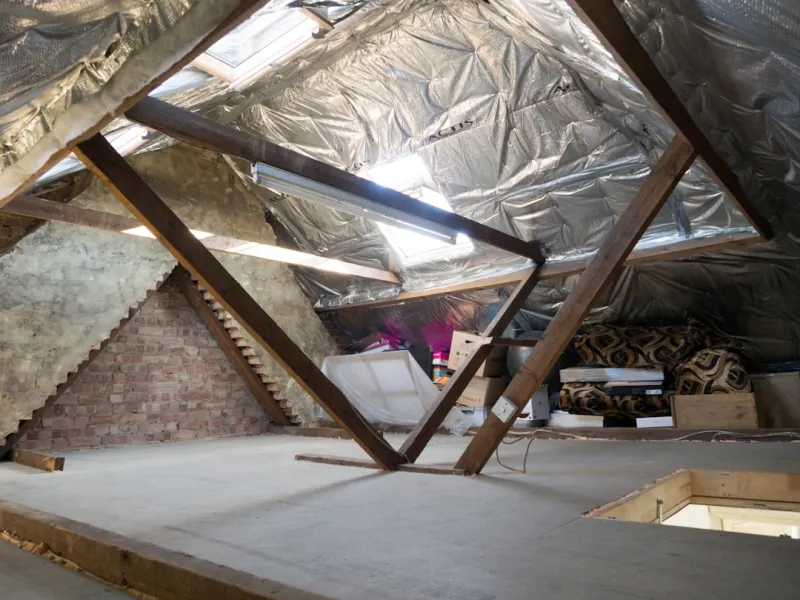
The Importance of Insulation in Sustainable Home Design
Insulation plays a crucial role in sustainable home design, reducing energy consumption and promotin... Read More
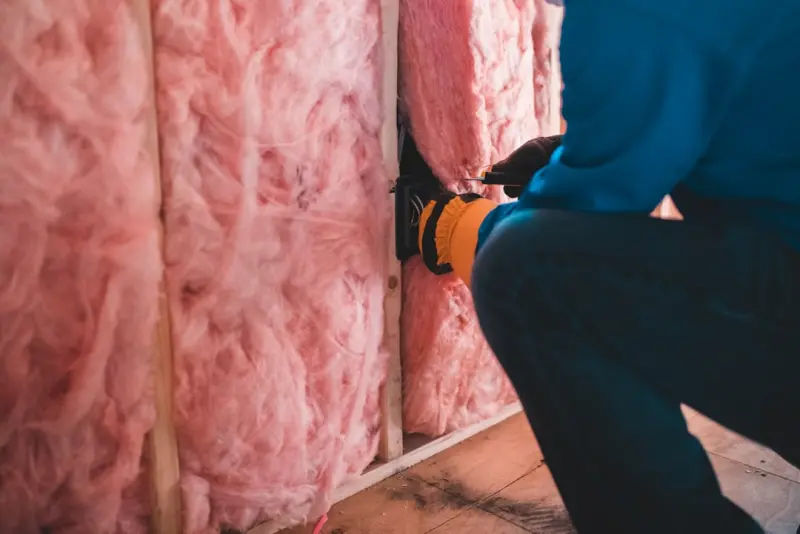
Insulation Reimagined: Turning Walls into Smart, Sustainable Energy Guardians
Insulation is evolving from a passive thermal barrier to an active, data‑rich, and sustainable bui... Read More

The Insulation Upgrade That Pays Off: A Veteran Contractor’s Blueprint
Learn why insulation is the cornerstone of sustainable living, how to pick the right material, avoid... Read More
Top Posts
The Ultimate Renovation Checklist for Seamless Project Execution
Discover a detailed renovation checklist that walks you through every phase—from budgeting and permits to material selection and post‑occupancy evaluationâ€...Read More
The Role of Roofing in Sustainable Home Restoration
Sustainable roofing plays a critical role in home restoration, energy efficiency, and environmental responsibility. Learn how to prioritize eco-friendly roofing...Read More
Rethinking Plaster: Sustainable, Acoustic, and Smart Solutions for Modern Interiors
This article uncovers the hidden power of contemporary plaster, revealing its acoustic benefits, breathable chemistry, and circular sourcing options that can tr...Read More
Choosing Countertops That Blend Sustainability, Style, and Smart Functionality
Explore how recycled‑stone composites, smart surfaces, and multi‑functional designs can transform your kitchen into a sustainable, stylish, and technologica...Read More
0 Comments
Post Comment
You will need to Login or Register to comment on this post!