
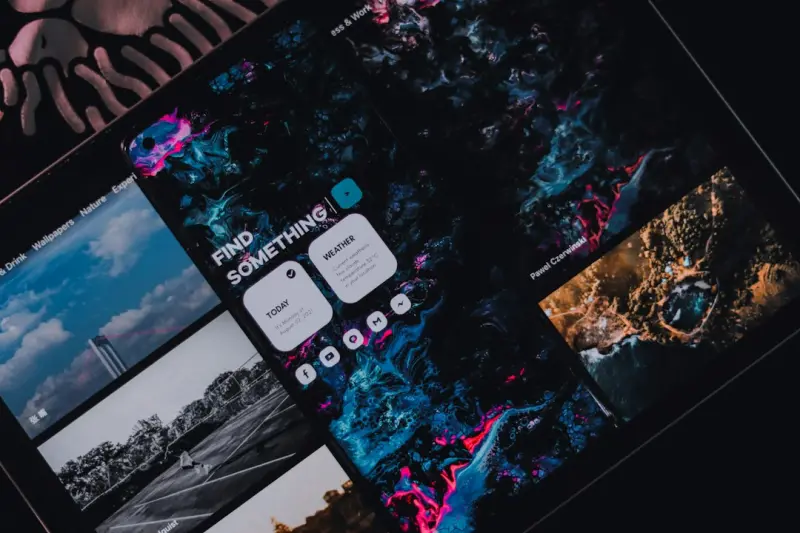
Wallpaper Gets Wired: Turning Walls into Interactive Assets
When I first picked up a roll of traditional wallpaper, the experience was pure, tactile nostalgia – the smell of paste, the click‑click of the brush, the subtle thud of the paper meeting plaster. Fast‑forward a few years, and that same roll can now host QR codes, NFC tags, and even low‑energy sensors without compromising its aesthetic charm. Welcome to the era where wallpaper isn’t just a decorative surface; it’s a smart interface that bridges design, data, and user experience.
Why the Industry Is Buzzing About Smart Wallpaper
For decades, wallpaper has been pigeonholed as a static, high‑maintenance finish best suited for residential spaces. The rise of flexible work environments, hybrid offices, and brand‑centric interiors has forced us to rethink that paradigm. Companies now demand walls that can communicate – from displaying real‑time occupancy metrics to guiding visitors through interactive wayfinding. The convergence of thin‑film electronics and printable substrates has finally made that possible, and early adopters are already reporting measurable gains in engagement and space utilization.
Core Technologies Powering the Transformation
- Printed NFC (Near Field Communication) – Tiny chips embedded in the wallpaper that can be tapped with a smartphone to pull up product specs, training videos, or safety protocols.
- QR Code Integration – High‑resolution printing ensures that even intricate designs retain scannable codes, turning a decorative motif into a gateway for digital content.
- Ultra‑Low‑Power Sensors – Flexible temperature, humidity, and motion sensors can be laminated between layers, feeding data to building‑management systems without the need for visible hardware.
- Modular Power Solutions – Thin, flexible solar strips or inductive charging pads can be discreetly placed near the top edge, powering the electronics without unsightly wiring.
Designing with Data in Mind
Integrating technology into wallpaper doesn’t mean sacrificing design integrity. In fact, the opposite is true. By collaborating with graphic designers early in the process, you can weave data points into the visual narrative. Imagine a conference room where the wall’s gradient subtly shifts to indicate room occupancy, or a retail lobby where product silhouettes double as touch‑activated catalogs. The key is to treat the data layer as another element of the design palette, not an afterthought.
Installation: From Traditions to Tech‑Enhanced Practices
Traditional wallpaper installation relies on a skilled hand, precise alignment, and patience. Adding a tech layer introduces new steps, but the process can still be streamlined. Here’s a quick rundown:
- Pre‑assessment: Verify wall flatness and identify any moisture issues – remember, electronics hate damp environments.
- Layer Planning: Determine where NFC tags, QR codes, or sensors will sit. Most manufacturers provide a layout template that aligns with the printed design.
- Power Mapping: If using solar strips or inductive pads, plan the edge connections early to avoid retro‑fitting later.
- Application: Apply the adhesive as you would with regular wallpaper, but work in smaller sections to ensure the electronic components stay correctly oriented.
- Testing: Once the paper is adhered, run a quick scan with a smartphone to confirm NFC and QR functionality before sealing the edges.
For property managers juggling multiple sites, a handyman subscription service can be a game‑changer, providing on‑demand expertise for installation and ongoing maintenance without the overhead of a full‑time crew.
Case Study: A Co‑Working Space That “Talks” to Its Members
One of our recent projects involved a downtown co‑working hub that wanted to reduce the friction of finding available desks, conference rooms, and amenities. We installed a custom wallpaper featuring a subtle geometric pattern dotted with QR codes. Each code linked to a live dashboard showing real‑time occupancy and booking options. Additionally, NFC tags placed at strategic points allowed members to tap and instantly reserve a space.
The results were immediate: desk‑search time dropped by 40%, conference room utilization rose by 25%, and the brand reported a surge in member satisfaction scores. The wall’s visual appeal remained intact – the tech was invisible unless you knew where to look.
Maintenance and Longevity Considerations
Smart wallpaper, like any tech‑infused product, raises concerns about durability. Here’s how to keep it performing:
- Regular Cleaning: Use a soft, dry cloth for the surface; avoid harsh chemicals that could degrade the printed electronics.
- Software Updates: Many NFC tags can be reprogrammed over the air. Set a schedule to refresh content and ensure security.
- Environmental Controls: Maintain stable temperature and humidity levels. If your building already employs a data‑driven flooring system, you’re likely already monitoring these parameters.
- Component Replacement: Because the electronic layer is thin, it can be replaced without stripping the entire wall – a simple peel‑and‑stick patch does the trick.
Cost Implications: Is Smart Wallpaper Worth the Investment?
At first glance, the price tag may appear higher than conventional wallpaper. However, when you factor in the ROI from reduced operational friction, enhanced brand perception, and the potential for revenue‑generating interactions (think QR‑code promotions), the economics shift dramatically. Moreover, the modular nature of the technology means you can start small – perhaps a single feature wall – and scale as you see results.
Future Trends to Watch
We’re only scratching the surface of what smart wallpaper can achieve. Upcoming innovations include:
- Dynamic Color‑Changing Ink – Pigments that respond to ambient light or user commands, allowing walls to adapt their hue throughout the day.
- Embedded AR Markers – When viewed through an AR headset, the wall can overlay 3D models, instructions, or immersive storytelling.
- Biometric Integration – Touch‑less authentication via proximity sensors, letting only authorized personnel access certain digital resources.
These developments will further blur the line between architecture and interaction design, making walls an active participant in the built environment.
Getting Started: Your First Smart Wallpaper Project
If you’re intrigued but unsure where to begin, follow this simple roadmap:
- Define the Goal: Are you aiming for wayfinding, data collection, brand engagement, or something else?
- Partner with a Specialist: Look for vendors who understand both print and electronics. A collaborative approach ensures the design stays cohesive.
- Pilot a Small Area: Test on a single wall or a high‑traffic zone. Gather feedback and adjust before a full rollout.
- Measure Impact: Use analytics – scan counts, sensor data, occupancy metrics – to quantify success.
- Iterate and Expand: Refine the content and functionality based on real‑world usage, then replicate across other spaces.
Remember, the beauty of this technology lies in its flexibility. You can evolve the digital layer without ever repainting or re‑wallpapering, preserving both your aesthetic vision and your budget.
Conclusion: From Passive Décor to Active Infrastructure
Wallpaper has always been a statement of style, but today it can also be a conduit for information, a tool for efficiency, and a canvas for brand storytelling. By embracing the convergence of print and smart technology, designers, facility managers, and business leaders can unlock a new dimension of interaction that enhances both the user experience and the bottom line. The wall is no longer a silent backdrop – it’s an active participant in the narrative of your space.

David MacKinnon is a dynamic freelance writer known for his captivating storytelling and keen insights into the world of technology. With a passion for exploring the intersection of innovation and everyday life, he crafts engaging narratives that not only inform but also inspire his readers.
Related Posts
The Art of Sustainable Wallpapering: Trends, Tips, and Transformations
Explore how to choose, install, and maintain sustainable wallpaper, with expert tips that marry desi... Read More
Eco‑Smart Wallpaper: Turning Walls Into Sustainable Brand Assets
Explore the rise of eco‑smart wallpaper as a strategic asset that blends sustainability, acoustic ... Read More
Elevating Commercial Spaces with Wallpaper
Wallpaper is no longer just a decorative finish; it offers acoustic dampening, thermal regulation, b... Read More
Top Posts
How Windows and Doors Shape Your Home’s Health and Comfort
Explore the hidden ways windows and doors influence indoor air flow, natural light, and health—practical tips you can apply today to turn ordinary openings in...Read More

The Snow Removal Revolution: A Sustainable Approach to Winter Maintenance
Snow removal can be a real pain, especially when you're trying to live sustainably. Learn how to make a difference with sustainable snow removal practices....Read More

Reimagining Sheds and Gazebos as Creative Outdoor Outposts
Explore how to convert ordinary sheds and gazebos into multi‑purpose outdoor outposts for work, wellness, and community, with step‑by‑step guidance on lay...Read More

Why a Fresh Finish Beats a New Tub: The Insider’s Guide to Bathtub Refinishing
Refinishing a bathtub can save money, reduce downtime, and boost style. This insider’s guide explains why a fresh finish often outperforms a costly replacemen...Read More
0 Comments
Post Comment
You will need to Login or Register to comment on this post!