
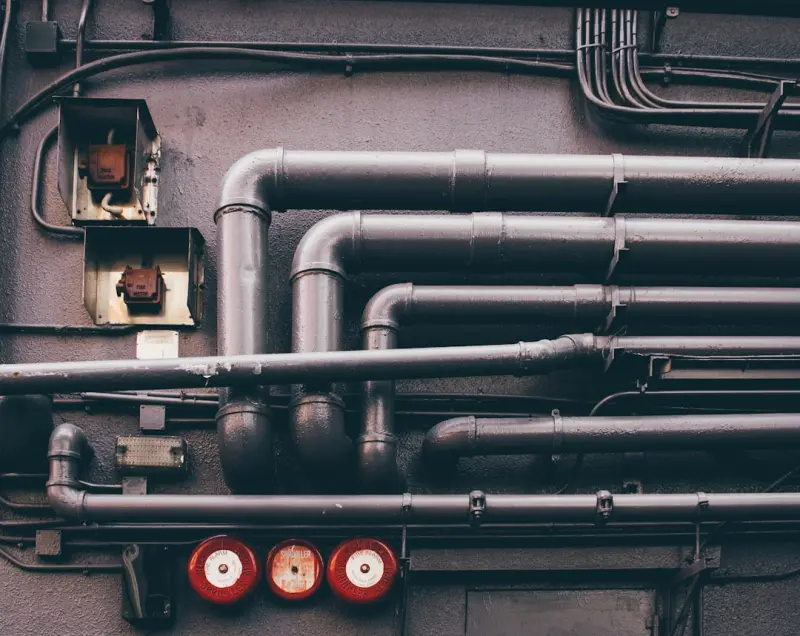
Why Plumbing Deserves a Second Look in Historic Renovations
When most homeowners think about restoring a historic property, the first images that come to mind are ornate moldings, original hardwood floors, or stained‑glass windows. The plumbing system, however, often hides in the shadows—literally, within walls and beneath floors—yet it is the lifeblood that determines whether a restoration truly succeeds. Old pipework can be a silent source of leaks, low water pressure, and even indoor air quality problems. Moreover, the growing emphasis on sustainability makes it impossible to ignore the water‑waste factor that vintage systems inevitably bring. In this article, I’ll walk you through the unique challenges of historic plumbing, share strategies that respect the building’s heritage, and reveal how modern, eco‑friendly technologies can be woven into the past without compromising its soul.
Understanding the Anatomy of Historic Pipe Networks
Before you can upgrade, you must first decode the original plumbing layout. Buildings erected in the 19th and early 20th centuries typically used lead, cast‑iron, or early forms of galvanized steel. These materials were chosen for durability, but they age in ways that modern plastics simply do not. Cast‑iron, for example, corrodes from the inside out, creating rust that can discolor water and eventually cause blockages. Lead, once prized for its malleability, is now known for health risks. Even when the pipes appear solid, centuries of mineral deposits, mineral “scale,” and bio‑film can restrict flow and foster bacterial growth.
Another quirk of historic systems is the lack of a dedicated “main shut‑off.” Many older homes rely on a single valve near the street curb, making localized repairs a nightmare. Understanding where the original risers, branch lines, and vent stacks sit is crucial for planning any intervention. In many cases, a detailed “as‑built” survey—combining archival research with modern leak‑detection cameras—saves both time and money.
Preserving Original Materials While Upgrading Performance
One of the biggest myths in historic renovation is that you must choose between preservation and performance. In reality, there are several approaches that let you keep the visual integrity of original fixtures while modernizing the unseen infrastructure:
- Selective Repiping: Instead of replacing every pipe, target high‑risk sections—those with visible corrosion, frequent leaks, or critical pressure drops. Use flexible, corrosion‑resistant materials like PEX or copper‑clad PEX, which can be routed through existing chases with minimal disruption.
- Internal Pipe Lining: For cast‑iron or steel runs that are difficult to access, an epoxy‑based lining can seal micro‑cracks and halt corrosion from the inside, extending the life of the original pipe without removing it.
- Preserving Fixtures: Vintage faucets, claw‑foot tubs, and brass valves often hold the aesthetic value of a period home. Replace only the internal valve seats or cartridge mechanisms with modern, water‑efficient components that retain the original look.
These tactics honor the craftsmanship of the past while delivering the reliability expected by today’s occupants.
Integrating Modern Water Conservation Without Sacrificing Heritage
Water scarcity is no longer a distant concern; it’s a daily reality for many municipalities. Historic homes, with their older flow‑heavy fixtures, can quickly become water‑wasting culprits. The good news is that conservation technology has become discreet enough to fit into the most delicate settings.
Low‑flow aerators, for instance, can replace the traditional brass caps on period‑style faucets, reducing flow rates by up to 30 % without altering appearance. Dual‑flush toilets—often the most noticeable modern addition—can be sourced with vintage‑style tanks that blend seamlessly into historic bathrooms.
For larger‑scale savings, consider installing a smart plumbing hub that monitors real‑time usage, detects leaks, and alerts homeowners before a small drip becomes a costly flood. The key is to place sensors in concealed closets or utility rooms, preserving the visual integrity of historic spaces while reaping the benefits of data‑driven water management.
Learning from modern waterproofing Techniques
Water intrusion is a silent enemy of historic structures. While waterproofing is typically discussed in the context of foundations and basements, the same principles apply to plumbing penetrations. Modern waterproofing membranes, vapor barriers, and drainage planes can be installed around pipe sleeves and behind wall cavities to stop moisture migration.
One particularly effective method is the use of “wet‑room” systems that create a continuous, sealed barrier around wet zones—showers, sinks, and laundry areas—while allowing the original plaster or tile to remain visible. By combining these systems with careful pipe routing, you protect both the building envelope and the historic finishes.
Case Study: Revitalizing a 19th‑Century Tenement on Main Street
A recent project I consulted on involved a five‑story tenement built in 1887. The original plumbing consisted of 2‑inch cast‑iron supply lines and 3‑inch cast‑iron waste lines, many of which were still in place. The owners wanted to preserve the exposed brick, original pipework visible in the basement, and vintage bathroom fixtures while upgrading to meet modern codes.
Our approach:
- Phase‑One Survey: Utilized a combination of archival blueprints and a high‑resolution camera system to map the entire network.
- Targeted Repiping: Replaced all supply lines on the third and fourth floors with PEX, routing them through existing chases to avoid new wall penetrations.
- Epoxy Lining: Applied an epoxy coating to the cast‑iron waste lines in the basement, eliminating corrosion and reducing future maintenance.
- Water‑Saving Fixtures: Installed low‑flow brass aerators on the original Victorian faucets, preserving the look while cutting flow by 25 %.
- Smart Monitoring: Deployed a discreet leak detection system that integrates with the building’s management platform, providing instant alerts to the superintendent.
The result was a fully functional, code‑compliant plumbing system that respected the building’s historic character. Tenants reported immediate improvements in water pressure, and the building’s water bill dropped by nearly 20 % within the first six months.
Practical Checklist for Contractors and Property Owners
When approaching a historic plumbing retrofit, keep this checklist on hand:
- Conduct a thorough archival and on‑site survey before any demolition.
- Identify any lead or hazardous materials and plan for safe removal or encapsulation.
- Choose repiping materials that are compatible with the building’s structural movement (e.g., flexible PEX for shifting foundations).
- Preserve visual elements—valves, faucets, and exposed pipework—whenever possible.
- Integrate low‑flow fixtures that match historic aesthetics.
- Apply internal pipe linings to extend the life of irreplaceable cast‑iron runs.
- Install leak detection and water‑usage monitoring systems in concealed locations.
- Coordinate with preservation agencies to ensure compliance with local historic‑preservation guidelines.
Following these steps not only protects the building’s heritage but also positions it for long‑term sustainability and occupant satisfaction.
Future‑Proofing: Flexible Systems for Adaptive Reuse
Historic structures are increasingly being repurposed—old factories become loft apartments, churches become community centers, and warehouses turn into co‑working hubs. Each new use brings its own plumbing demands, from higher occupancy loads to specialized water‑intensive functions like commercial kitchens.
To accommodate these shifting needs, designers are turning to modular plumbing “pods” that can be added or removed without major demolition. These pods house water heaters, pressure‑boosting pumps, and filtration units in compact, prefabricated modules. When the building’s purpose changes again, the pods can be relocated or upgraded, preserving the original pipework and minimizing waste.
In addition, emerging water‑recycling technologies—such as grey‑water loops and rain‑water harvesting—can be integrated into historic buildings with minimal visual impact. By routing reclaimed water through concealed channels and using low‑profile fixtures, you maintain the building’s historic look while dramatically reducing fresh‑water consumption.
Learning from the handyman’s playbook: DIY Tips for Homeowners
Even if you’re not a professional contractor, there are small steps you can take to safeguard historic plumbing:
- Regular Inspection: Check exposed pipe joints for signs of corrosion or leaks at least twice a year.
- Water Pressure Test: Use a simple gauge to ensure your home’s pressure stays between 40–60 psi; excessive pressure accelerates pipe wear.
- Seal Penetrations: Apply silicone or expanding foam around pipe entries in walls and floors to prevent drafts and moisture seepage.
- Flush the System: Run hot water through all faucets for several minutes once a month to clear sediment buildup.
- Upgrade Aerators: Swap out old faucet heads for modern low‑flow versions that match the historic style.
These low‑cost measures can extend the life of your vintage plumbing and reduce the likelihood of costly emergencies.
Conclusion: Marrying the Past with the Future
The challenge of historic plumbing isn’t about erasing the past; it’s about honoring it while equipping it for modern expectations of efficiency, reliability, and sustainability. By combining careful assessment, selective preservation, discreet technology, and forward‑thinking design, you can create a water system that tells the story of the building’s origins and its future alike. Whether you’re a homeowner, a preservationist, or a contractor, the strategies outlined here provide a roadmap to keep those vintage pipes flowing—and thriving—for generations to come.

Tom Ferguson is a Canadian freelance writer with a passion for storytelling, current events, and thoughtful commentary. Drawing on years of writing experience, he shares engaging insights on a wide range of topics, bringing a uniquely Canadian perspective to his work.
Related Posts

From Pipes to Pixels: How IoT is Transforming Everyday Plumbing
Discover how integrating IoT sensors, smart valves, and predictive analytics into plumbing systems c... Read More
Why Subscription Plumbing Is the Smartest Move for Modern Buildings
Subscription plumbing turns traditional reactive repairs into a proactive service model, using senso... Read More
Connected Pipes: Transforming Plumbing into a Data‑Driven Asset
Plumbing can do more than deliver water—by integrating flow, acoustic, and pressure sensors, facil... Read More
Top Posts
Rethinking Carpet Care: Less Is More
Learn why aggressive carpet cleaning can damage fibers and how low‑moisture extraction, smart tools, and sustainable practices keep your rugs looking fresh lo...Read More
Designing a Future‑Proof Home Addition That Grows With You
A strategic home addition can increase property value, improve daily comfort, and adapt to evolving family needs. This guide walks you through goal setting, fle...Read More

Beyond the Sheet: Modern Strategies for Long‑Lasting Waterproofing
Explore innovative waterproofing methods that combine breathable membranes, green sealants, and sensor tech to protect homes while minimizing environmental impa...Read More

The Future is Now: Smart Home Technology for a Smarter, Simpler Life
Explore the revolution of smart home technology with Lifan Chen. Learn how intelligent devices and systems can transform your home into a responsive, efficient,...Read More
0 Comments
Post Comment
You will need to Login or Register to comment on this post!