

Why Wellness Spaces Matter in the Modern Workplace
Today's organizations are learning that the office is no longer just a desk and a fluorescent light. Employees crave environments that replenish mental stamina, support physical health, and subtly reinforce a sense of belonging. When a space feels alive—when sunlight filters through glass, when a gentle breeze whispers from an open sidewall—people naturally experience lower cortisol levels, sharper focus, and a stronger connection to the brand they serve. This is why forward‑thinking companies are re‑examining underused square footage and asking: could a sunroom become a wellness hub?
Sunrooms as Passive Climate Moderators
One of the most underrated benefits of a well‑designed sunroom is its ability to act as a passive heating and cooling buffer. In cooler months, solar gain through high‑performance glazing can raise the ambient temperature by 10‑15 °F, reducing the load on HVAC systems. In the heat, strategically placed operable panels and over‑hangs—similar to those discussed in Shade as a Strategic Lever—allow warm air to escape while still admitting diffused daylight. The result is a naturally regulated micro‑climate that cuts energy consumption without sacrificing comfort.
Biophilic Design Meets Productivity
Biophilia—the innate human attraction to nature—has moved from a design buzzword to a measurable performance driver. Research shows that exposure to natural light improves alertness by up to 30 % and can boost employee satisfaction scores by 12 %. A sunroom brings the outdoors inside without the distractions of a full‑scale garden. By incorporating indoor‑friendly plants, natural textures, and the ever‑changing sky, you create a “living laboratory” where creativity flourishes. The space can double as a casual brainstorming zone, a quiet reading nook, or a low‑stress meeting area.
Smart Glass and Solar Integration
Traditional sunrooms often suffer from glare and heat buildup, but today’s glazing technologies have turned those challenges into opportunities. Electrochromic glass can tint on demand, responding to solar intensity while preserving a view of the sky. Pair that with thin‑film photovoltaic panels integrated into the roof, and the sunroom becomes a modest power generator that feeds back into the building’s grid. This synergy mirrors the concepts explored in Beyond Aesthetic, where technology enhances both form and function.
Acoustic and Privacy Considerations
Open spaces are great for collaboration, but a wellness sunroom must also provide acoustic refuge. Installing acoustic ceiling tiles and soft‑furnishings dampens reverberation, creating a sanctuary for focused work or meditation. If the sunroom is adjacent to a high‑traffic corridor, consider a double‑glazed partition or a sliding door with a clear, insulated core. These solutions preserve visual connectivity while curbing noise intrusion.
Calculating ROI: From Energy Savings to Retention
When pitching a sunroom conversion to executives, numbers speak louder than aesthetics. A typical 400‑sq‑ft sunroom equipped with high‑performance glazing and solar panels can save roughly 1,200 kWh of electricity annually—equivalent to a 5‑7 % reduction in the building’s overall energy bill. Moreover, the wellness impact translates into tangible HR metrics: reduced sick days, higher engagement scores, and lower turnover. According to industry surveys, workplaces that invest in health‑centric design see an average 3 % increase in employee retention, which can offset the initial capital outlay within three to five years.
Implementation Blueprint
- Site Assessment: Identify a location with adequate roof exposure and minimal structural constraints. Verify load‑bearing capacity and confirm that local building codes permit glazing extensions.
- Design Phase: Collaborate with architects who specialize in biophilic design. Specify glazing with a solar heat gain coefficient (SHGC) that aligns with your climate zone. Include provisions for operable panels, shading devices, and integrated photovoltaics.
- Technology Integration: Choose electrochromic glass paired with a building‑management system (BMS) that automates tinting based on daylight sensors. Install low‑voltage lighting that mimics natural circadian rhythms for evenings or overcast days.
- Fit‑Out: Select ergonomic, flexible furniture—think modular seating, height‑adjustable desks, and portable whiteboards. Add plant species that thrive in bright, indirect light, such as snake plants or pothos, to reinforce the biophilic theme.
- Commissioning & Training: Conduct a performance test of the glazing’s tint response and photovoltaic output. Train facilities staff on routine cleaning (a simple, non‑abrasive wipe-down) and on operating the shading controls.
- Post‑Occupancy Review: After six months, gather employee feedback and compare energy data against baseline consumption. Adjust BMS parameters as needed to optimize comfort and efficiency.
Future‑Proofing Your Sunroom
Sunrooms are not static installations; they evolve with technology and workplace culture. Consider the following upgrades to keep the space relevant:
- Dynamic Climate Controls: Integrate IoT sensors that monitor temperature, humidity, and CO₂ levels, feeding data into a predictive algorithm that pre‑emptively adjusts shading and ventilation.
- Wellness Tech: Install subtle soundscapes—soft nature sounds that can be toggled on via a wall‑mounted tablet—to enhance relaxation.
- Modular Partitioning: Use movable glass walls to reconfigure the sunroom for larger group sessions or to create private pods for one‑on‑one meetings.
- Renewable Upgrades: As solar panel efficiencies improve, replace older modules with next‑gen thin‑film cells that generate more power per square foot.
Case Study Snapshot: A Mid‑Size Tech Firm
One client, a 150‑person software development company, transformed an underutilized atrium into a 350‑sq‑ft sunroom. Within twelve months, they reported a 6 % drop in overall electricity usage, a 15 % increase in employee satisfaction scores related to “work environment,” and a measurable reduction in reported eye strain. The sunroom also became the go‑to spot for informal sprint reviews, fostering cross‑functional collaboration without the formality of a conference room.
Key Takeaways
Investing in a sunroom is no longer a luxury aesthetic choice—it is a strategic decision that aligns energy efficiency, employee well‑being, and brand differentiation. By leveraging modern glazing, integrated solar, and biophilic design principles, organizations can turn a simple glass‑enclosed space into a multi‑dimensional asset that pays for itself through cost savings, talent attraction, and a healthier, more productive workforce.

David MacKinnon is a dynamic freelance writer known for his captivating storytelling and keen insights into the world of technology. With a passion for exploring the intersection of innovation and everyday life, he crafts engaging narratives that not only inform but also inspire his readers.
Related Posts
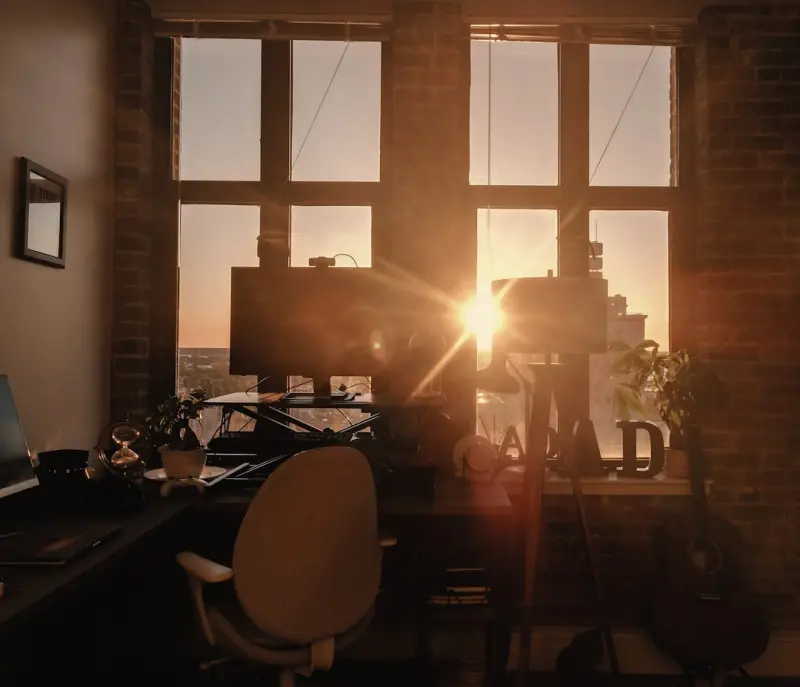
Sunrooms: The Hidden Engine of Employee Wellness and Business Growth
A sunroom is more than a bright space—it’s a strategic tool for boosting employee wellness, redu... Read More
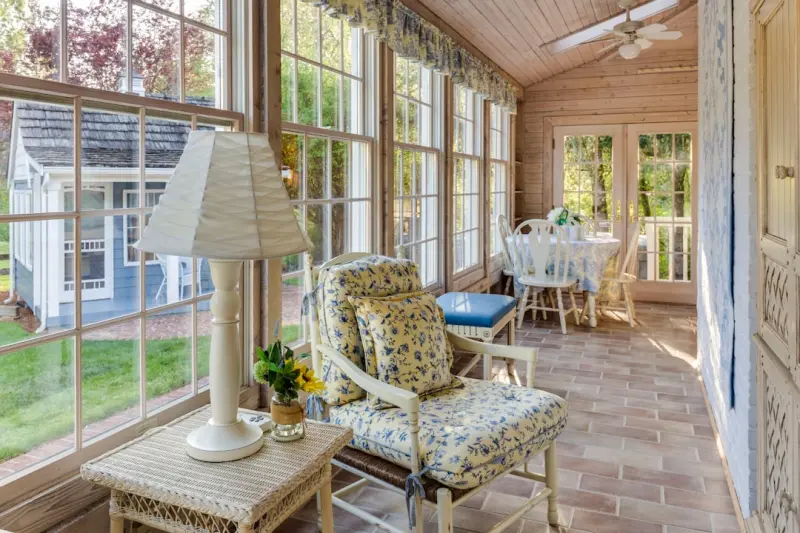
Designing a Sunroom That Works for Every Season and Lifestyle
From orientation to glazing, acoustics to smart controls, I share my hands‑on approach to building... Read More

Reimagining Sunrooms: From Seasonal Nooks to Year‑Round Living Hubs
Turn your sunroom into a versatile, year‑round oasis with cutting‑edge glass, smart tech, and bi... Read More
Top Posts

Adaptive Climate‑Ready Home Upgrades: Strategies for a Resilient Future
A deep dive into dynamic, performance‑driven home upgrades that let your house adapt to shifting climate conditions, blending smart materials, IoT monitoring,...Read More
Designing for Change: How Adaptive Architecture Marries Heritage and Flexibility
Adaptive architecture merges historic character with modular interiors and AI‑driven façades, creating buildings that evolve with occupants and climate deman...Read More

The Future of Plastering: Embracing Sustainable Practices
The plastering industry is evolving, and sustainable practices are leading the way. Learn about the benefits of eco-friendly materials, innovative techniques, a...Read More

Closing the Loop: How Circular Design is Transforming Windows & Doors
A deep dive into circular design for windows and doors, covering recycled materials, design for disassembly, take‑back programs, and the measurable benefits f...Read More
0 Comments
Post Comment
You will need to Login or Register to comment on this post!