
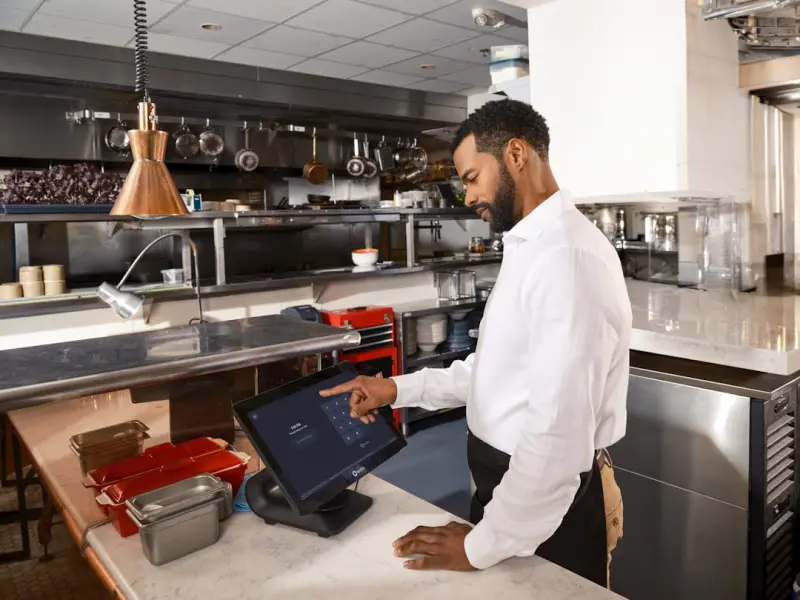
Why Countertops Are No Longer Just a Surface
When I first walked into a showroom two decades ago, a countertop was a static slab—marble, granite, or a laminate veneer that you chose for its look and durability. Today, that same slab can sense, react, and even anticipate your needs. The kitchen, once the domain of chefs and family gatherings, has quietly become a data‑rich environment, and the countertop is its most intimate interface.
The Convergence of Material Science and Data
At the core of this transformation is a marriage between high‑performance materials and embedded electronics. Engineered quartz now incorporates nanoceramics that repel stains, while solid‑surface composites can house digital twins of the entire kitchen layout. These twins are virtual replicas that continuously ingest sensor data from the countertop—temperature, humidity, load, and even the composition of liquids placed upon them.
The result? A countertop that knows when you’re chopping a carrot, when a pot is boiling over, or when a spill could damage the underlying cabinetry. It can alert you via a subtle LED glow, send a notification to your phone, or adjust an integrated induction zone to reduce energy waste. The surface is no longer passive; it becomes an active participant in the cooking process.
Embedded Sensors: The New Kitchen Nerve Endings
Modern countertops embed a network of micro‑sensors that are practically invisible to the naked eye. Pressure sensors detect the weight of a cutting board, capacitive touch sensors recognize the placement of a bowl, and infrared arrays monitor the temperature of cookware. The data collected is processed locally on a low‑power microcontroller, ensuring real‑time responsiveness without relying on cloud latency.
What makes this truly groundbreaking is the ability to fuse these data streams into actionable insights. Imagine a scenario where the countertop detects a sudden temperature spike under a pan, correlates it with the presence of oil, and then activates a built‑in ventilation boost to prevent smoke. Or consider a situation where a weight sensor notes that a heavy casserole dish has been left on the surface for too long; the countertop can suggest a timer reminder to prevent over‑cooking.
From Reactive to Predictive: The Role of predictive maintenance in Countertops
Predictive maintenance has proven its worth in HVAC systems and industrial pipelines, but its principles are now spilling over into the realm of kitchen surfaces. By continuously analyzing sensor data, algorithms can forecast wear patterns, detect micro‑cracks in stone, or anticipate sealant degradation before they become visible.
This forward‑looking approach transforms the countertop from a maintenance nightmare into a strategic asset. Service providers can schedule a resurfacing or resealing at the optimal moment, reducing downtime and extending the life of the material by up to 30 % compared to traditional, reactive upkeep. Homeowners benefit from fewer surprise repairs and a more consistent aesthetic throughout the lifespan of the kitchen.
Design Implications: Aesthetic Freedom Meets Functional Intelligence
One fear that early adopters expressed was that embedding technology would compromise the timeless beauty of natural stone. The good news is that manufacturers have learned to conceal hardware within the slab itself. Thin, flexible printed circuits can be laminated between layers of quartz, preserving the visual integrity while providing a robust platform for sensors.
Moreover, designers now have a new palette: interactive finishes. A countertop can shift its color temperature to match the daylight cycle, creating a warm amber glow in the evening and a crisp white in the morning. Integrated OLED strips can display recipes, timers, or even ambient art, turning the surface into a canvas that reacts to your mood.
These capabilities expand the design conversation beyond texture and hue. Architects and interior designers can now collaborate with UX specialists to craft a kitchen experience that feels both tactile and digital, without sacrificing the tactile pleasure that makes a countertop feel like a solid, reliable presence.
Health and Hygiene: The Antimicrobial Advantage
In the post‑pandemic world, hygiene is no longer an afterthought. Countertops are being engineered with antimicrobial additives—silver ions, copper nanofibers, or photo‑catalytic titanium dioxide—that actively destroy bacteria on contact. When coupled with sensors that detect moisture levels, the surface can trigger a brief UV‑C pulse to sterilize high‑risk zones after a spill.
These smart hygiene features are especially valuable in commercial settings such as restaurants, hospitals, and co‑working kitchens, where compliance with health regulations is paramount. The data logged by the countertop can serve as an audit trail, proving that cleaning protocols have been followed and offering actionable insights for continuous improvement.
Energy Efficiency: The Countertop as a Micro‑Grid Component
Embedded induction zones are already commonplace, but the next frontier is dynamic power management. By integrating energy monitoring at the countertop level, the system can allocate power where it is needed most, reducing overall kitchen consumption. For example, when a pot reaches boiling point, the induction coil can taper its output to maintain temperature without overshooting, saving electricity.
In conjunction with building‑wide energy management platforms, a smart countertop can respond to demand‑response signals from the grid, temporarily lowering its power draw during peak periods and resuming full performance when rates are lower. This not only cuts operational costs but also contributes to broader sustainability goals.
Data Privacy: Guarding the Kitchen’s Intimate Details
All of these capabilities generate a wealth of data about daily habits—what you cook, when you eat, how often you entertain. As designers, we must embed privacy by design. Data should be processed locally whenever possible, with only aggregated, anonymized insights transmitted to the cloud. Users must have clear controls to opt‑in or out of data sharing, and encryption should be a default state.
Transparency builds trust. When homeowners understand that their countertop is merely a helpful assistant and not a surveillance device, they are far more likely to embrace the technology and enjoy its benefits.
Installation and Retrofit Considerations
For existing kitchens, retrofitting is a realistic option. Modular sensor kits can be installed beneath a new laminate or stone overlay, preserving the original countertop while adding intelligence. This approach reduces waste, aligning with circular‑economy principles, and offers a cost‑effective pathway to upgrade without a full demolition.
Professional installers need new skill sets—knowledge of wiring, firmware updates, and sensor calibration. As the market matures, certification programs are emerging, ensuring that the quality of installation matches the sophistication of the technology.
The Business Case: ROI for Homeowners and Commercial Operators
From a financial perspective, the ROI on a smart countertop can be quantified through several lenses:
- Energy Savings: Dynamic power management can shave 10‑15 % off kitchen energy bills.
- Reduced Maintenance: Predictive maintenance lowers unexpected repair costs and extends material life.
- Productivity Gains: In commercial kitchens, real‑time alerts and integrated timers streamline workflows, increasing output.
- Property Value: Homes equipped with intelligent surfaces command higher resale prices, as buyers increasingly value technology that improves convenience and sustainability.
When these factors are aggregated, the payback period for a premium smart countertop can be as short as three to five years, especially in high‑traffic environments.
Future Outlook: Countertops as Platforms for Innovation
Looking ahead, we can anticipate a wave of platform‑based countertops that support third‑party apps. Imagine a cooking app that syncs directly with the surface, adjusting heat zones, tracking ingredient usage, and offering step‑by‑step guidance via visual cues on the slab itself. Or consider a wellness integration where the countertop monitors your nutritional intake and suggests balanced meals based on your health goals.
As AI models become more capable, they will be able to interpret the rich sensor data from countertops to provide personalized culinary coaching—suggesting knife techniques to reduce fatigue, recommending optimal cooking temperatures for specific recipes, and even learning your flavor preferences over time.
Conclusion: The Countertop as the New Command Center
The humble countertop has completed its evolution from a simple work surface to a sophisticated command center. By weaving together material innovation, embedded sensors, predictive analytics, and user‑centric design, we are redefining what it means to “cook” and “gather” in the heart of the home. For designers, builders, and tech innovators, the challenge now is to ensure that this intelligence enhances the human experience—making kitchens more intuitive, healthier, and sustainable—without overwhelming the senses.
As we stand on the cusp of this smart‑surface revolution, the question isn’t whether countertops will become intelligent, but how we will choose to harness that intelligence to create kitchens that truly serve the people who use them.

William Roy is a freelance writer originally from Montreal who moved to Ottawa with his wife of 50 years to be closer to their grandkids. Alongside his writing, William has a passion for fishing.
Related Posts
Revolutionizing Kitchen Design: The Future of Countertops
The future of countertops is here. Learn how sustainable materials, innovative manufacturing process... Read More
Beyond Aesthetics: The Untold Story of Countertops That Shape Your Kitchen Experience
Explore the hidden narratives of countertops—from geology and sustainability to health benefits an... Read More

Choosing Countertops That Blend Sustainability, Style, and Smart Functionality
Explore how recycled‑stone composites, smart surfaces, and multi‑functional designs can transfor... Read More
Top Posts

Avoid Common Pitfalls with Plumbing Emergencies - When to call a professional
Plumbing emergencies can quickly spiral into expensive disasters if not handled correctly. Learn how to identify when you can safely perform a DIY fix and when ...Read More

When Wallpaper Gets Smart: The Future of Walls in a Connected Home
Modern wallpaper is evolving from mere décor to a multifunctional platform, embedding sensors for climate control, using sustainable materials, and even servin...Read More

Pocket Gardens: Turning Forgotten Corners into Lush Urban Oases
Discover the art of pocket gardens—small, affordable green spaces that turn under‑used nooks into vibrant, mood‑enhancing oases, adding both beauty and va...Read More

AI‑Powered Closets: Turning Wardrobe Space into a Competitive Asset
AI‑powered closets turn simple storage into a strategic asset by using IoT sensors and predictive analytics to cut labor costs, reduce shrinkage, and integrat...Read More
0 Comments
Post Comment
You will need to Login or Register to comment on this post!