
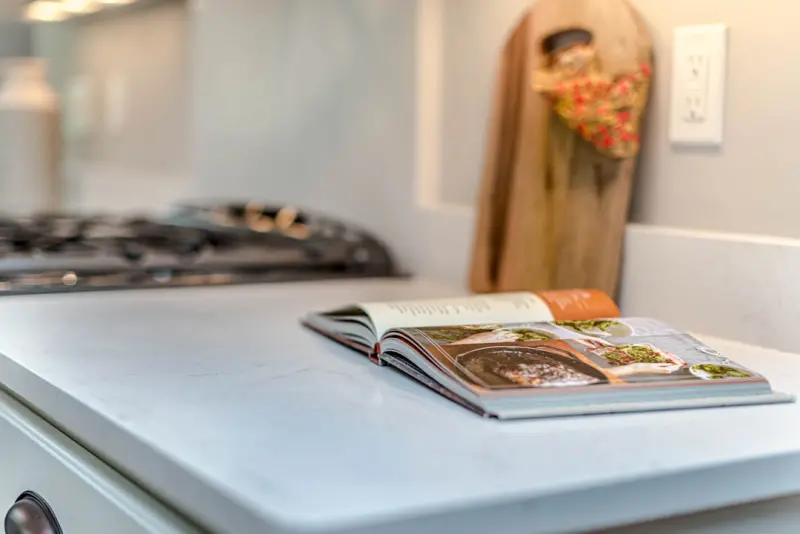
Why Countertops Matter Beyond Aesthetics
When I first walked into my renovated kitchen, the countertop instantly became the room’s silent narrator, shaping every culinary moment. It isn’t just a slab of material; it’s a statement of lifestyle, a canvas for daily rituals and an under‑appreciated performance surface. The tactile feel, heat resistance, and even the subtle hue can influence how long you linger over a recipe or how effortlessly you clean up after a bustling dinner.
Most homeowners focus on visual appeal, but the true value lies in the synergy between form and function. A countertop that resists stains while showcasing a warm, earthy tone can turn a hurried meal prep into a mindful experience. Moreover, the right choice can future‑proof your space, reducing the need for costly replacements as trends shift or technology advances.
In my own design journey, I realized that selecting a countertop is akin to choosing a reliable partner—one that supports you through the everyday hustle while enhancing the overall ambience. This perspective drives my search for surfaces that are both beautiful and built to endure.
Eco‑Conscious Materials: The Rise of Recycled‑Stone Composites
Environmental stewardship has moved from niche to mainstream, and countertops are at the forefront of this green wave. Recycled‑stone composites blend crushed glass, reclaimed quartz, and polymer binders to create a surface that mimics natural stone without the quarry’s ecological footprint. The process diverts waste from landfills, reduces energy consumption, and often results in a lighter slab that’s easier to install.
Beyond sustainability, these composites offer impressive performance characteristics: they are non‑porous, resistant to scratches, and maintain their color stability even under intense sunlight. For families with kids or avid chefs, the durability translates into fewer worries about staining from sauces or accidental nicks from knives. The visual palette ranges from subtle speckles to dramatic veining, allowing designers to achieve the luxe look of marble or granite with a responsible twist.
What truly excites me is the ability to customize—adding pigments or recycled aggregates to match a specific interior palette. This flexibility means you can craft a truly unique surface that tells a story of reclaimed beauty, aligning your home’s aesthetic with a broader ecological narrative.
Integrating Technology Without Losing Warmth: Smart Surfaces and Touch‑Sensitive Designs
Smart homes are no longer a futuristic fantasy; they’re becoming a daily reality, and countertops are evolving to be active participants. Embedded inductive charging zones, touch‑responsive lighting, and integrated temperature sensors turn a simple worktop into a hub of convenience. Imagine a countertop that gently illuminates when you place a bowl of dough, or one that alerts you when a pot reaches a boil.
While the tech allure is undeniable, preserving the tactile warmth of traditional surfaces is essential. Manufacturers now embed sensors beneath thin, heat‑resistant layers, ensuring the top feels natural to the touch. This blend of invisible tech and authentic material creates a seamless experience—your kitchen remains inviting, yet it quietly supports your digital lifestyle.
In practice, I’ve paired these smart countertops with the insights from adaptive living spaces to design kitchens that anticipate family needs. The result is a space that adapts to shifting routines without sacrificing the comforting feel of a well‑crafted slab.
Balancing Budget and Longevity: Cost‑Effective Strategies
Choosing a countertop often feels like navigating a tightrope between cost and durability. High‑end natural stone can command premium prices, while laminate may offer short‑term savings but lacks longevity. A strategic approach involves evaluating lifecycle costs—how long the material will last, its maintenance demands, and resale value impact.
Recycled‑stone composites strike an appealing middle ground, offering durability comparable to premium stone at a fraction of the price. Additionally, many manufacturers provide warranties that extend beyond a decade, reinforcing confidence in the investment. By focusing on the total cost of ownership rather than upfront expense, homeowners can make choices that pay dividends over time.
Pairing these insights with the principles outlined in future‑proof foundation ensures that the countertop selection aligns with the overall structural resilience of the home, safeguarding both performance and financial prudence.
Designing for Multi‑Functional Spaces
Modern homes increasingly blur the lines between cooking, working, and socializing, demanding countertops that serve multiple roles. A surface that comfortably hosts a laptop, a cutting board, and a coffee maker must balance ergonomics with aesthetics. Edge profiles become crucial—rounded edges reduce strain during prolonged use, while beveled edges add a refined visual cue.
Incorporating subtle inlays—such as a copper strip for a charging dock or a recessed groove for a wine rack—adds functional depth without overwhelming the design. These details transform a countertop from a mere prep area into a versatile stage, supporting everything from virtual meetings to intimate gatherings.
My own kitchen remodel embraced this philosophy, creating a seamless transition from cooking zone to informal office nook. The result is a fluid environment where the countertop adapts to the moment, reinforcing the home’s role as a dynamic, lived‑in space.
Maintenance Made Simple: Cleaning Tips for Modern Materials
Even the most resilient countertop benefits from a thoughtful maintenance routine. For recycled‑stone composites, a mild pH‑balanced cleaner applied with a soft cloth preserves the surface’s integrity while removing residues. Avoid abrasive pads that can dull the finish or introduce micro‑scratches.
Stubborn stains, such as wine or coffee, respond well to a paste of baking soda and water left to sit for a few minutes before gentle wiping. For built‑in smart features, a dry microfiber cloth prevents moisture from seeping into sensor housings, extending their lifespan.
Regular sealing—though often marketed as unnecessary for composites—can add an extra barrier against oil absorption, especially in high‑traffic kitchens. By integrating these simple habits, homeowners enjoy the visual appeal of their countertops for years without the anxiety of hidden damage.
Future Trends: What’s Next for Countertop Innovation
Looking ahead, the countertop industry is poised to embrace bio‑engineered materials, leveraging agricultural waste like hemp fibers and oat husks to create sturdy, low‑impact slabs. These emerging options promise a lighter carbon footprint while delivering strength comparable to traditional stone.
Another exciting frontier is augmented reality (AR) apps that allow homeowners to visualize countertop finishes in real time, adjusting lighting and décor to see how a surface will truly feel in the space. This technology reduces the guesswork, fostering confidence in design decisions before any material is cut.
As we continue to blend sustainability, technology, and timeless craftsmanship, the countertop becomes more than a functional element—it evolves into a reflection of our values and a catalyst for innovative living.

Lifan Chen is a freelancer based in Toronto specializing in marketing. With expertise in crafting effective marketing strategies and campaigns, Lifan helps businesses grow their brand presence and reach target audiences. As a Toronto-based freelancer, Lifan combines local market insights with creative marketing skills to deliver tailored solutions for clients.
Related Posts
When Countertops Become Smart: Designing the Interactive Work Surface of Tomorrow
Countertops are evolving from passive slabs to interactive platforms that integrate sensors, wireles... Read More
Beyond Aesthetics: The Untold Story of Countertops That Shape Your Kitchen Experience
Explore the hidden narratives of countertops—from geology and sustainability to health benefits an... Read More

The Countertop Playbook: Sustainability, Safety, and Resale Value
Explore how sustainable sourcing, food‑safe surfaces, smart features, and savvy maintenance combin... Read More
Top Posts
Invisible Wins: Small DIY Repairs That Save Money and Boost Comfort
Learn how simple, often overlooked fixes—from draft‑proofing doors to sealing drywall cracks—can dramatically improve comfort, reduce utility bills, and k...Read More

Transform Your Basement into a Multifunctional Entertainment Hub
Learn the step‑by‑step strategy to redesign your basement into a versatile entertainment space—covering layout, lighting, soundproofing, smart integration...Read More

Embracing Sustainable Electrical Solutions for a Greener Future
Sustainable electrical solutions are critical for creating a greener future. Learn about the benefits of renewable energy sources, energy-efficient appliances, ...Read More
Building Smarter Foundations: Data, Sustainability, and Future‑Ready Strategies
Explore the evolution of construction foundations from static slabs to data‑driven platforms, covering AI soil analysis, digital twins, sustainable mixes, and...Read More
0 Comments
Post Comment
You will need to Login or Register to comment on this post!