
Why Predictive Duct Maintenance Is the Missing Link in Facility Health and Efficiency
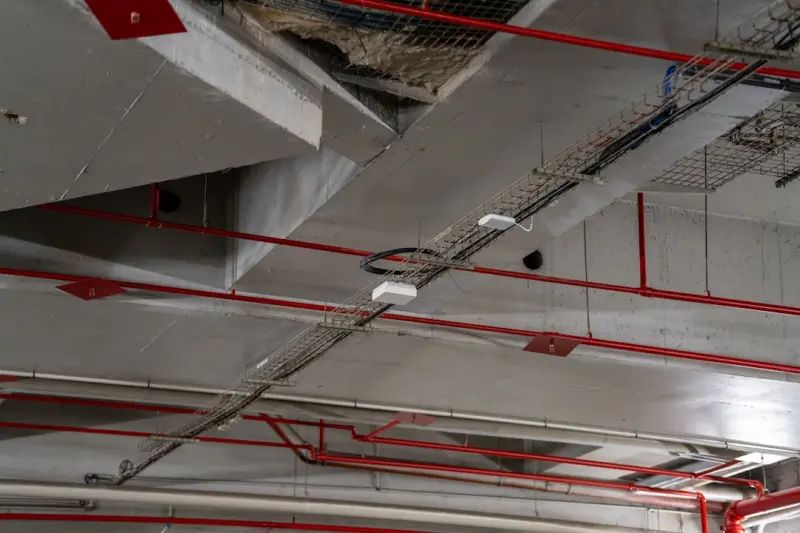
When most building managers think about indoor comfort, they instantly picture thermostats, lighting controls, or even the latest flooring solutions. Ductwork, however, often remains hidden in the shadows—literally and figuratively. Yet the condition of an air‑distribution network directly influences air quality, energy consumption, and even the long‑term durability of HVAC equipment. In an era where data‑driven decision‑making is reshaping every facet of commercial real estate, relying on a reactive “clean‑when‑it‑looks‑dirty” approach to ducts is no longer sufficient.
This article explores a forward‑looking strategy: using predictive analytics, sensor integration, and automated scheduling to turn duct cleaning from a periodic chore into a continuous performance enhancer. We’ll unpack the technology stack, illustrate the financial upside, and show how this method dovetails with broader sustainability initiatives.
The Hidden Costs of Ignoring Duct Health
Before diving into predictive solutions, it helps to understand the three primary cost centers associated with neglected duct systems:
- Air‑quality penalties. Accumulated dust, mold spores, and microbial growth can circulate throughout a building, aggravating allergies, reducing employee productivity, and increasing sick‑leave rates.
- Energy waste. Even a modest 5% buildup of debris inside ducts can raise fan power draw by up to 15%, translating into measurable spikes on utility bills.
- Equipment wear. When airflow is restricted, fans and compressors work harder, accelerating wear‑and‑tear and shortening the lifespan of high‑value HVAC assets.
These hidden costs are rarely captured in traditional budgeting cycles, which is why they often slip through the cracks. The challenge is not merely to spot a dirty vent after the fact, but to anticipate when the system will cross the threshold where performance degrades.
Data as the New Diagnostic Tool
Predictive duct maintenance begins with a data collection framework that mirrors the sensor networks already deployed for lighting, temperature, and occupancy. Modern IoT‑enabled pressure transducers, particulate counters, and humidity probes can be installed at strategic points along the ductwork—near supply diffusers, return grilles, and critical bends. Over time, these devices generate a continuous stream of metrics such as:
- Static pressure differentials between supply and return.
- Particle concentration spikes indicating debris accumulation.
- Relative humidity levels that signal condensation risk.
When fed into a cloud‑based analytics engine, the data reveals patterns that would be invisible to a human inspector. For example, a gradual rise in static pressure over several weeks could indicate a slow buildup of dust in a particular branch, prompting a targeted cleaning before the fan overloads.
Integrating Predictive Insights with Existing Facility Workflows
Data alone does not solve the problem; it must be actionable. Here’s a practical workflow that bridges the gap between insight and execution:
- Baseline establishment. During the commissioning phase, capture a full suite of duct performance metrics to set a clean‑air benchmark.
- Threshold modeling. Use statistical models (e.g., moving averages, regression analysis) to define safe operating windows for pressure, particle count, and humidity.
- Alert generation. When a metric breaches its threshold, the system automatically creates a work order in the facility management software, attaching the specific location and severity rating.
- Smart scheduling. The work order is routed to a cleaning contractor whose calendar is optimized for minimal disruption, often during off‑peak hours.
- Post‑service verification. After cleaning, sensors re‑measure the same points, confirming that performance has returned to baseline and closing the feedback loop.
This loop eliminates guesswork, reduces unnecessary site visits, and ensures that every cleaning event delivers a measurable return on investment.
Financial Modeling: From Cost Center to Competitive Advantage
Facilities that adopt predictive duct maintenance often see a three‑fold financial benefit:
- Energy savings. By maintaining optimal airflow, fan power draw can be reduced by 8‑12% on average, which—when applied to large commercial portfolios—translates into substantial utility bill reductions.
- Extended equipment life. Lower mechanical stress extends the mean time between failures (MTBF) for fans and compressors, deferring capital expenditures.
- Productivity gains. Cleaner air improves occupant health, which has been linked to a 1‑3% uplift in overall workforce efficiency. In high‑performance office environments, that uplift can outweigh the modest cost of a predictive cleaning program.
When you combine these savings with the intangible benefit of a greener, healthier brand image, duct cleaning morphs from a maintenance expense into a strategic lever.
Case Study: Predictive Duct Care in a Multi‑Site Office Campus
A regional corporate headquarters with five office buildings implemented a sensor‑driven duct monitoring system. Over a 12‑month pilot, they recorded the following outcomes:
- Static pressure deviations were detected an average of 3.2 times per month per building, each prompting a targeted cleaning.
- Total energy consumption for HVAC systems dropped by 9% compared with the previous year.
- Annual maintenance spend decreased by 15% because cleaning was performed only when data indicated a genuine need, eliminating routine “calendar‑based” visits.
- Employee health surveys reported a 12% reduction in reported respiratory complaints.
Beyond the immediate cost reductions, the company leveraged these results in its sustainability reporting, earning additional recognition from local green building councils.
Technology Stack Recommendations
For organizations ready to embark on this journey, here’s a pragmatic technology stack:
- Edge sensors. Choose low‑power, wireless pressure and particulate sensors that can operate for years on a single battery.
- Gateway platform. Use an industrial‑grade IoT gateway to aggregate sensor data and push it securely to the cloud.
- Analytics engine. Cloud platforms such as Azure IoT Central, AWS IoT Analytics, or Google Cloud’s Looker provide ready‑made templates for anomaly detection.
- CMMS integration. Ensure the analytics platform can emit webhooks or API calls that create work orders directly in your Computerized Maintenance Management System.
- Reporting dashboard. A simple web UI that visualizes pressure trends, cleaning history, and energy impact helps stakeholders stay informed.
Alignment with Broader Sustainability Goals
Predictive duct cleaning dovetails neatly with corporate sustainability initiatives. By reducing energy waste, you directly lower the carbon footprint associated with HVAC operation. Moreover, the data‑driven approach supports transparent reporting—an essential component of many ESG (Environmental, Social, Governance) frameworks.
For organizations that already champion smarter foundations, adding intelligent duct maintenance completes the loop from structure to system. The same data principles that inform insulation performance or daylight harvesting can be extended to the hidden pathways that deliver conditioned air.
Choosing the Right Service Partner
Even the most sophisticated predictive platform needs a skilled cleaning provider capable of acting on the insights. When evaluating partners, consider the following criteria:
- Proven sensor integration experience. Contractors who have worked with IoT deployments will understand the importance of accurate location tagging.
- Flexible scheduling. Look for providers that can respond quickly to alerts, ideally with a 24‑hour turnaround.
- Transparent reporting. After each cleaning, the contractor should supply a concise report confirming the restored pressure values and any observations about duct condition.
- Compliance awareness. In many jurisdictions, duct cleaning must adhere to specific standards (e.g., NADCA). A knowledgeable partner ensures that every job meets or exceeds those requirements.
Future Outlook: From Predictive to Prescriptive
Predictive maintenance tells you “when” a problem is likely to occur. The next frontier is prescriptive maintenance—where the system not only predicts but also recommends the optimal cleaning method, the exact tools needed, and the best time slot based on occupancy forecasts. Machine learning models trained on thousands of cleaning cycles could eventually automate the entire decision‑making process, leaving only the physical execution to the contractor.
While that level of automation is still emerging, early adopters who embed predictive duct care today will be well positioned to integrate prescriptive capabilities as they mature, ensuring their facilities remain at the cutting edge of operational excellence.
Getting Started: A 5‑Step Checklist
If you’re convinced that duct health deserves more attention, use this checklist to launch your predictive program:
- Audit your current duct system. Document layout, age, and known pain points.
- Identify high‑impact zones. Prioritize areas with high occupancy or critical processes (e.g., labs, data centers).
- Deploy pilot sensors. Start with a single building or floor to validate data quality.
- Configure analytics thresholds. Work with a data scientist or vendor to set realistic alert levels.
- Partner with a certified cleaning provider. Align their service schedule with the analytics‑driven alerts.
From there, scale the solution across your portfolio, refine thresholds based on real‑world performance, and continuously measure the impact on energy, health, and equipment reliability.
Conclusion: Turning an Overlooked Asset Into a Strategic Advantage
Ducts may be out of sight, but they are far from out of mind when it comes to operational efficiency and occupant wellbeing. By embracing predictive analytics, facility managers can transform a traditionally reactive cleaning routine into a proactive, data‑driven process that cuts costs, extends equipment life, and supports broader sustainability goals. The technology is mature, the financial case is compelling, and the health benefits are clear. The question isn’t whether you can afford to adopt predictive duct maintenance—it's whether you can afford to ignore it.
For a deeper dive into how data can reshape other hidden building components, explore our article on energy inspection and learn how compliance can become a competitive differentiator.

Lifan Chen is a freelancer based in Toronto specializing in marketing. With expertise in crafting effective marketing strategies and campaigns, Lifan helps businesses grow their brand presence and reach target audiences. As a Toronto-based freelancer, Lifan combines local market insights with creative marketing skills to deliver tailored solutions for clients.
Related Posts

Why Your Home’s Ducts Deserve a Seasonal Deep‑Clean (And How It Impacts Health)
A thorough seasonal duct cleaning removes hidden allergens, mold, and debris, leading to better indo... Read More

Why Duct Cleaning Is the Unsung Hero of Healthy Buildings
A comprehensive guide explains why duct cleaning is essential for indoor health, energy savings, and... Read More

The Unseen Path to Cleaner Air: A Homeowner’s Guide to Duct Cleaning
Explore the hidden impact of dirty ducts, learn to spot signs, and get expert advice on DIY checks a... Read More
Top Posts
Masonry's Quiet Revolution: Harnessing Thermal Mass for Sustainable Buildings
Thermal mass is the unsung hero of masonry, offering passive heating and cooling that can dramatically reduce energy consumption. This post explores design stra...Read More

Augmented Reality and Sensor Fusion: The Next Wave in Home Inspections
A deep dive into how augmented reality, drone technology, and sensor networks are transforming home inspections from static checklists into dynamic, data‑rich...Read More

Transforming Sunrooms into High‑Performance Remote Work Sanctuaries
A sunroom isn’t just a seasonal lounge—when designed for work, it becomes a powerful asset that enhances focus, cuts energy bills, and elevates client exper...Read More

Kinetic Facades: Dynamic Architecture for Climate Adaptation and User Engagement
Kinetic façades turn static building skins into responsive systems that adapt to sunlight, wind, and occupancy, delivering energy savings, occupant comfort, an...Read More
0 Comments
Post Comment
You will need to Login or Register to comment on this post!