
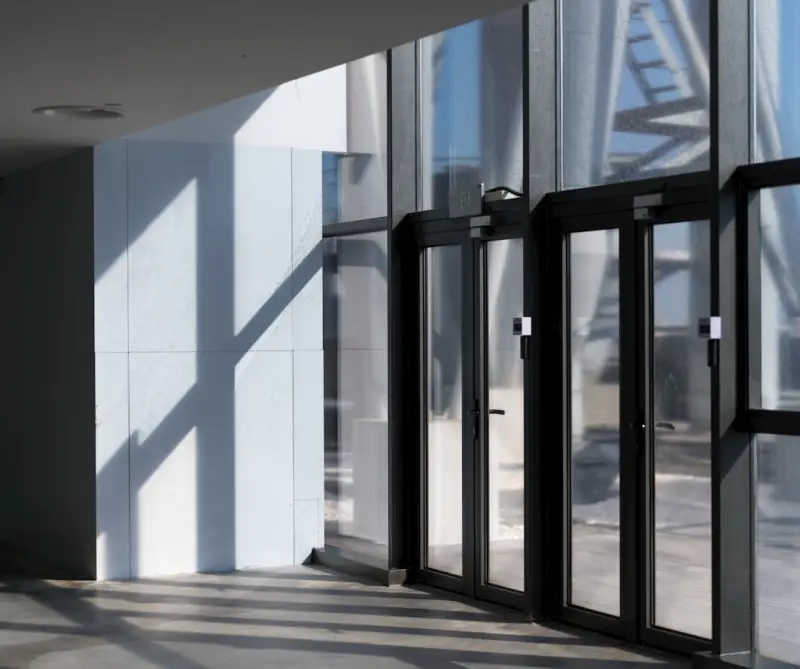
Why Entryways Matter More Than We Think
When I first walked into a newly‑renovated office and was greeted by a floor‑to‑ceiling glass wall that seemed to breathe with the building, I felt something shift. It wasn’t just the natural light; it was the story the windows and doors were telling. In the world of B2B SaaS, where data and code dominate conversations, the physical thresholds we cross daily can become powerful brand ambassadors. They set the tone for collaboration, signal commitment to sustainability, and even influence employee health.
The Science of Transparency and Perception
Researchers have long linked visual access to the outdoors with reduced stress and heightened focus. A study from the International Journal of Workplace Health found that workers with a clear view of green spaces reported 12% fewer symptoms of anxiety. This isn’t magic—it’s biology. Light regulates circadian rhythms, and unobstructed sightlines encourage a sense of freedom and trust. In practical terms, a well‑designed window can be a productivity catalyst just as much as any software update.
Smart Glass: From Passive Pane to Active Asset
Traditional glass is static, but today’s electrochromic and thermochromic technologies let a window become an intelligent component of the building’s ecosystem. Imagine a conference room where the glass automatically tints during peak sun hours, cutting glare while preserving the view. The same pane can relay temperature data to the HVAC system, reducing energy waste by up to 30% in some pilot projects. This dynamic behavior transforms windows from decorative features into data‑rich assets that support ESG goals.
Living Doors: Materials, Sensors, and Brand Narrative
Doors have always been symbolic—think of the grand oak doors of a historic bank or the sleek sliding panels of a tech startup’s lobby. Modern materials like reclaimed timber, bio‑based composites, and even living walls embedded in door cores allow you to tell a story of sustainability at every entry. Add low‑power Bluetooth beacons or occupancy sensors, and the door becomes a gateway to personalized experiences: a welcome message on a nearby screen, or a subtle scent release that reinforces brand identity.
Integrating with Building Systems
To unlock the full potential of smart windows and doors, they must speak the same language as the rest of the building’s infrastructure. This means adopting open communication protocols such as BACnet or MQTT, and ensuring that your electrical panels can handle the additional data streams. When glass and door sensors feed real‑time occupancy and daylight metrics into the central management system, you achieve a level of automation that feels almost prescient.
Case Study: A SaaS Hub That Turned Its Facade Into a KPI
One of our clients in the fintech space retrofitted an entire floor with programmable glazing and sensor‑enabled doors. By linking daylight harvesting data with their cloud‑based energy dashboard, they tracked a 22% reduction in cooling costs and saw a 9% boost in employee satisfaction scores over six months. The visual impact was equally impressive: clients walking through the glass lobby reported a stronger sense of transparency (pun intended) and trust in the brand.
Practical Steps for Implementation
- Audit Existing Assets: Map every window and door, noting size, orientation, and current performance.
- Define Goals: Are you targeting energy savings, employee wellbeing, brand storytelling, or all of the above?
- Select Technology Partners: Look for vendors who support open standards and can integrate with your existing BMS.
- Prototype a Pilot Zone: Choose a high‑traffic area to test smart glass, sensor‑door, and data integration.
- Measure and Iterate: Use dashboards to monitor energy, occupancy, and wellness metrics, then refine settings.
Beyond the Pane: How Doors Complement Windows
While windows are the eyes of a building, doors are its voice. A well‑designed door can reinforce the visual narrative established by the windows. For instance, a double‑leaf door with a translucent core can echo the transparency of the glazing while providing acoustic privacy. When combined with a dynamic shading system, doors can create a seamless transition between indoor focus zones and collaborative commons.
Leveraging Masonry and Structure
Even the surrounding wall structure can be a silent partner in the story you’re telling. By treating masonry as an intelligent asset—embedding temperature and humidity sensors—you can create a feedback loop that informs both window tinting and door actuation. This holistic approach ensures that the envelope of the building works as a single, responsive organism. Read more about this synergy in our piece on when masonry becomes an intelligent asset.
Design Tips for the Modern Workspace
1. Prioritize Visual Continuity: Align the aesthetic language of windows and doors. If you use warm wood for doors, consider timber‑infused glazing frames.
2. Embrace Modular Systems: Prefabricated smart panels can be swapped out as technology evolves, protecting your investment.
3. Incorporate Human‑Centric Controls: Touch‑free sensors and mobile app overrides give occupants agency without sacrificing hygiene.
4. Reflect Brand Colors Through Light: Use programmable glass to subtly shift tint hues during product launches or seasonal campaigns.
Future Outlook: From Reactive to Predictive
The next wave will see windows and doors not just reacting to environmental cues but predicting them. Machine‑learning models trained on historical weather, occupancy patterns, and energy usage will pre‑emptively adjust tint, opening schedules, and even door lock states. This anticipatory behavior will tighten the feedback loop between physical space and digital workflows, turning the building envelope into a living extension of your SaaS platform.
Conclusion: Let Your Entryways Do the Talking
In a sector where every line of code is scrutinized for performance, the physical envelope of your office should be no less optimized. Smart windows and expressive doors can become strategic assets that boost sustainability metrics, elevate employee wellbeing, and reinforce brand narrative—all while delivering tangible ROI. It’s time to stop seeing them as mere architectural afterthoughts and start treating them as the communicators they were always meant to be.

Paul Gray is a dynamic blogger based in Brampton, where he shares his life with his amazing wife, Sarah. Known for his engaging writing style and relatable insights, Paul has carved out a niche in the blogging world that resonates with readers from all walks of life. When he's not crafting captivating posts, you can find him savoring a cold beer or indulging in the latest blockbuster movie. With a friendly demeanor and a passion for storytelling, Paul brings a unique perspective to his work, making him not just a blogger, but a voice for those who appreciate the simple joys of life.
Related Posts
The Overlooked Essentials: Why Your Windows and Doors Define Your Home's Future
Windows and doors are more than just openings; they're vital to your home's energy efficiency, secur... Read More
From Frame to Function: Rethinking Windows & Doors for a Circular Future
A circular fenestration strategy transforms windows and doors from disposable components into reusab... Read More
How Windows and Doors Shape Your Home’s Health and Comfort
Explore the hidden ways windows and doors influence indoor air flow, natural light, and health—pra... Read More
Top Posts

Home Alarm Systems Reimagined: From Guard to Smart Home Concierge
A deep dive into the future of home alarm systems, highlighting AI‑driven alerts, privacy safeguards, and seamless integration with other smart home technolog...Read More

Dynamic Insulation: Turning Passive Barriers into Active Energy Managers
A deep dive into the next wave of insulation technology, showing how sensors, phase‑change materials, and smart retrofits transform walls and roofs from stati...Read More

Intelligent Closet Design: Turning Clutter into Curated Calm
An intelligent closet blends vertical utilization, modular flexibility, smart inventory, and integrated lighting to turn everyday storage into a productivity po...Read More
Backyard Sheds & Gazebos: From Storage to Lifestyle Hubs
Explore practical upgrades, sustainable materials, and smart tech that turn ordinary backyard sheds and gazebos into year‑round lifestyle hubs, boosting comfo...Read More
0 Comments
Post Comment
You will need to Login or Register to comment on this post!