
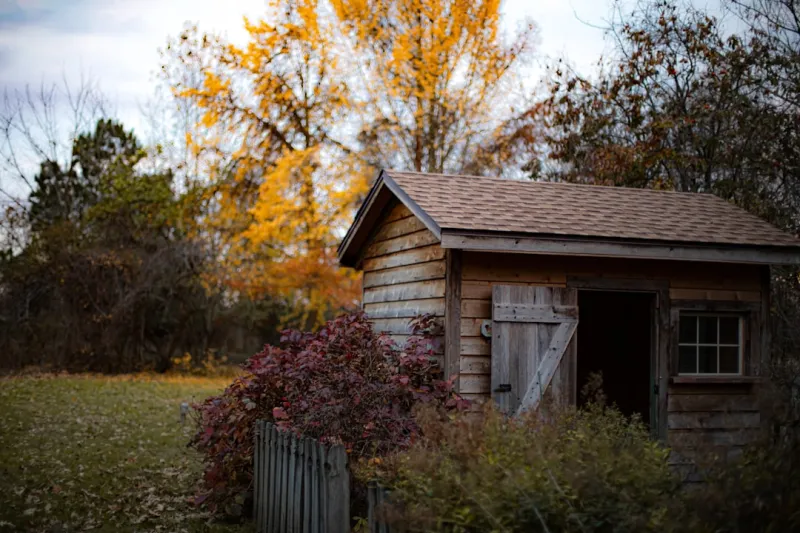
Why Modern Sheds and Gazebos Have Become Backyard Essentials
When I first dug a hole for a simple garden shed, I never imagined it would become the cornerstone of my outdoor lifestyle, a place where I could retreat after a long day of work and still feel connected to nature. Over time, I learned that a well‑planned shed or gazebo does more than store tools; it creates a micro‑environment that can boost productivity, relaxation, and even home value. The shift toward sustainable design has turned these structures into showcases for reclaimed wood, insulated panels, and solar‑ready roofing, blending function with eco‑friendly flair. Today, homeowners are rethinking their outdoor spaces, treating sheds and gazebos as extensions of their living rooms rather than afterthoughts.
Choosing the Right Location: Sun, Wind, and Flow
Placement is everything; a shed that basks in morning light but is shielded from harsh afternoon heat can dramatically reduce the need for additional climate control. I mapped my property’s sun path using a simple app and positioned the gazebo where it would catch the gentle sunrise, providing natural warmth for early‑morning coffee sessions. At the same time, I considered prevailing winds, ensuring that the structure would act as a windbreak for my patio while still allowing breezes to keep the interior fresh. By aligning the building with the land’s natural flow, I created a seamless transition between indoor comfort and outdoor freedom, a principle I later explored in my Transforming My Backyard: A Sustainable Landscaping Journey post.
Materials That Matter: From Reclaimed Timber to Insulated Panels
My first shed was built from cheap, untreated pine that warped within a season, teaching me that material choice is a long‑term investment. Today, I opt for reclaimed timber sourced from deconstructed barns, giving each board a story while reducing waste; the aged patina adds character that new lumber simply can’t replicate. For the roof, I favor insulated metal panels that reflect heat in summer and retain warmth in winter, a simple upgrade that can cut energy bills by up to 30 %. Adding a layer of waterproof membrane ensures longevity, especially in rainy climates, and the combination of these elements turns a basic storage space into a resilient, energy‑efficient retreat.
Integrating Sustainable Power: Solar Ready Design
One of the most rewarding upgrades I made was installing a small solar array on the gazebo’s roof, turning it into a self‑sufficient power hub for lighting, USB charging ports, and even a low‑energy heater. The panels are mounted on a tilt that maximizes sun exposure during the day, and the generated electricity feeds directly into a battery bank housed discreetly inside the structure. This setup not only reduces reliance on the grid but also aligns with my broader commitment to renewable energy, a topic I covered in depth in Harnessing Sunlight: My Journey to a Solar‑Powered Home. The result is a cozy evening ambiance powered entirely by the sun, proving that sustainability can be both practical and aesthetically pleasing.
Interior Comfort: Insulation, Ventilation, and Smart Storage
Inside the shed, I paid special attention to comfort by installing eco‑friendly spray foam insulation that seals gaps and blocks thermal bridging, keeping the interior climate stable year‑round. Proper ventilation is equally crucial; I added a discreet ridge vent paired with low‑profile louvered windows that promote airflow without compromising security. For storage, I designed modular shelving units that can be reconfigured for tools, gardening supplies, or even a compact workstation, allowing the space to evolve with my needs. By combining these elements, the shed feels like a mini‑studio where I can draft plans, work on wood projects, or simply unwind with a book, all while staying comfortable regardless of the season.
Design Aesthetics: Matching Your Home’s Architectural Language
To ensure my gazebo didn’t clash with my home’s modern farmhouse aesthetic, I selected a roof pitch and siding profile that echoed the main residence, using the same color palette and trim details. The result is a harmonious visual flow that makes the backyard feel like an extended living area rather than an afterthought. I also incorporated subtle lighting fixtures—solar‑powered LED strips hidden under the eaves—that highlight the structure’s lines after dark, creating a warm glow without adding to the electricity bill. This attention to detail transforms a simple shelter into a focal point that enhances the overall curb appeal and invites guests to linger.
Maintenance Made Easy: Protective Finishes and Routine Checks
One of the biggest misconceptions about outdoor structures is that they demand endless upkeep; however, a few strategic steps can keep them looking fresh for decades. I applied a low‑VOC, water‑based sealant to the reclaimed wood, which not only protects against moisture but also preserves the natural grain and reduces off‑gassing. Annual inspections focus on roof integrity, drainage pathways, and the condition of fasteners, catching potential issues before they become costly repairs. By integrating these simple habits into my seasonal home‑maintenance checklist, the shed remains a reliable, low‑maintenance asset that continues to serve my evolving lifestyle.
Expanding Functionality: From Workshop to Wellness Retreat
What started as a storage solution quickly morphed into a multipurpose haven where I practice yoga, host weekend workshops, and even experiment with indoor gardening using vertical hydroponic systems. The insulated walls and solar‑powered lighting create a controlled environment perfect for growing herbs year‑round, while a portable heater ensures comfort during cooler evenings. This flexibility illustrates the true potential of sheds and gazebos: they can adapt to changing hobbies, family needs, or even serve as a remote office space, blending the boundaries between work, play, and wellness.
Future‑Proofing Your Backyard Investment
As I look ahead, I’m already planning to add smart sensors that monitor temperature, humidity, and energy usage, feeding data to a mobile app that alerts me to any irregularities. This proactive approach aligns with the broader trend of connected home ecosystems, where every structure—from the garage door to the garden fence—communicates to optimize performance and sustainability. By embracing these technologies now, I’m ensuring that my shed and gazebo will remain relevant, efficient, and valuable assets for years to come, reinforcing the idea that thoughtful design is the ultimate long‑term investment.

Tom Ferguson is a Canadian freelance writer with a passion for storytelling, current events, and thoughtful commentary. Drawing on years of writing experience, he shares engaging insights on a wide range of topics, bringing a uniquely Canadian perspective to his work.
Related Posts

Why Sheds and Gazebos Are the Unsung Heroes of Modern Workplaces
Sheds and gazebos can be transformed into high‑performance micro‑offices, offering health benefi... Read More
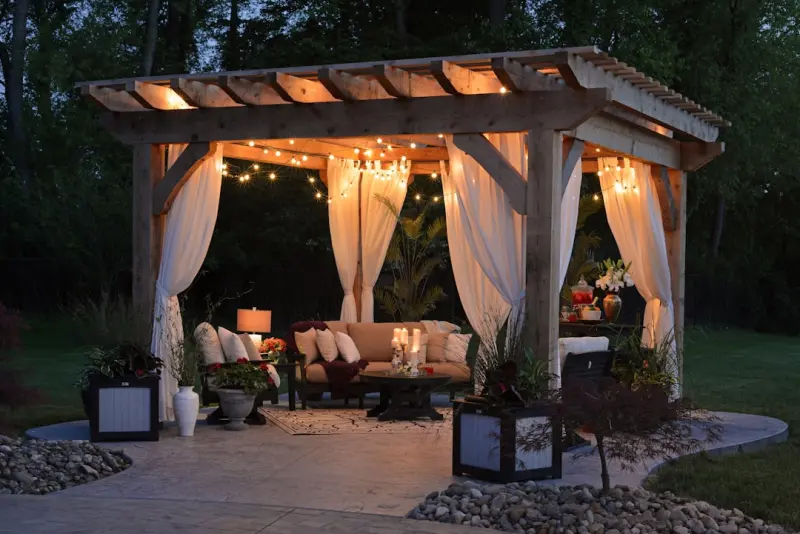
Reimagining Sheds and Gazebos as Creative Outdoor Outposts
Explore how to convert ordinary sheds and gazebos into multi‑purpose outdoor outposts for work, we... Read More

Creating Sustainable Outdoor Spaces: The Role of Sheds and Gazebos
Learn how sheds and gazebos can contribute to sustainable living and eco-friendly practices. Get tip... Read More
Top Posts
Spotting Hidden Home Issues Before They Cost a Fortune
Discover practical ways to spot hidden problems in your home early, avoid expensive fixes, and maintain a safe, efficient living space....Read More

From Spot Checks to Smart Scans: How AI and Drones Are Redefining Energy Inspection
A deep dive into the next generation of energy inspection, exploring AI-driven analytics, drone thermal imaging, and continuous IoT sensing that turn hidden was...Read More

Revolutionizing Energy Inspection: A Human‑First, Data‑Driven Approach
A human‑first, data‑driven energy inspection framework turns traditional checklists into dynamic conversations, integrates edge sensors, occupancy analytics...Read More

Warmth Beneath the Past: Integrating Radiant Floor Heating into Historic Homes
A guide to seamlessly installing radiant floor heating in historic properties, balancing preservation with modern comfort, energy savings, and smart controls....Read More
0 Comments
Post Comment
You will need to Login or Register to comment on this post!