
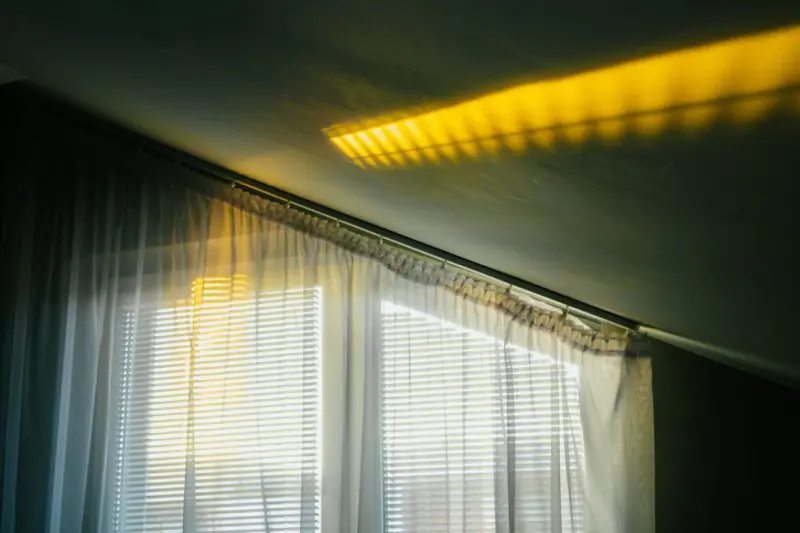
Re‑thinking Window Treatments: From Passive Décor to Active Workplace Assets
When I first walked into a downtown office with floor‑to‑ceiling glass, I expected the view to be the star of the show. Instead, I found myself battling glare, temperature swings, and a feeling that the space was missing a subtle, yet powerful, layer of control. That moment sparked a curiosity that has since guided my work: what if window treatments could do more than block light? What if they could become dynamic contributors to productivity, wellbeing, and even data‑driven decision‑making?
The Hidden Costs of Traditional Window Coverings
Most companies still treat blinds, curtains, and shades as after‑thought accessories—something you pick at the last minute to “make the room look finished.” This mindset overlooks three hidden costs:
- Energy waste: Uncontrolled solar gain forces HVAC systems to work harder, inflating utility bills.
- Employee fatigue: Inconsistent lighting can cause eye strain, headaches, and a dip in focus.
- Lost brand storytelling: Static window coverings cannot adapt to seasonal campaigns, visitor experiences, or the company’s evolving visual language.
By re‑imagining window treatments as intelligent systems, we can turn these liabilities into strategic assets.
Enter Adaptive Light Modulation
Adaptive light modulation blends three technologies that have, until recently, lived in separate silos:
- Electrochromic glass that tints on demand, reducing glare without sacrificing outward views.
- Motorized roller blinds that respond to daylight sensors and occupancy data.
- Acoustic‑absorbing fabrics that shift their density to dampen noise when conference rooms are in use.
When integrated into a building management platform, these elements can be orchestrated like a symphony. Imagine a conference room that automatically lowers its blinds just before a video call begins, while the glass tint adjusts to maintain a consistent 400 lux illumination level. The result is a space that feels curated, not chaotic.
Data‑Driven Daylight Harvesting
Daylight harvesting isn’t new; many smart lighting systems dim artificial lights when enough natural light is present. What is novel is feeding that same data back into the window treatment system. Sensors embedded in the window frame measure:
- Solar irradiance
- External temperature
- Occupant location (via motion detectors or badge readers)
These data points enable a feedback loop:
- The system raises blinds when a morning sunburst threatens glare.
- If the outdoor temperature spikes, the glass tint deepens to keep interiors cool.
- When a meeting ends, the blinds close to preserve privacy and reduce heat loss.
This loop not only reduces energy consumption but also creates a measurable comfort index that facilities teams can track over time.
Wellbeing Metrics: Light, Mood, and Performance
Recent research links natural light exposure to circadian rhythm regulation, mood elevation, and cognitive performance. By customizing the amount of daylight each employee receives, we can align work schedules with their natural energy peaks. For example, a “focus zone” could receive bright, cool‑tone light in the morning, while a “relaxation zone” gradually shifts to warmer tones in the afternoon. The ability to fine‑tune these environments is a direct outcome of intelligent window treatments.
Brand Storytelling Through Dynamic Panels
Beyond comfort, window treatments can serve as a living canvas for brand narratives. Motorized panels can display subtle color gradients that echo a company’s seasonal campaigns, or even showcase abstract visualizations of real‑time data—think a wall of blinds that ripple in response to sales figures or website traffic.
Such kinetic façades turn a functional element into a branding opportunity, reinforcing corporate identity without adding extra signage. It’s an approach that resonates with both employees and visitors, making the space feel alive and responsive.
Integrating with Existing Smart Building Ecosystems
Many modern offices already have building automation platforms handling lighting, HVAC, and security. Adding intelligent window treatments is less about installing a new silo and more about extending the existing API layer. The key steps are:
- Identify compatible hardware: Choose blinds or electrochromic glass that support open standards (e.g., BACnet, MQTT).
- Map sensor inputs: Leverage daylight and occupancy sensors already on the premises.
- Define control logic: Work with facilities managers to set thresholds for glare, temperature, and privacy.
- Dashboard integration: Visualize performance metrics alongside lighting and HVAC data.
When executed thoughtfully, the added layer of control is barely noticeable to occupants—yet the operational savings and comfort gains are substantial.
Case Study: From Static Shades to a Responsive Light Network
A mid‑size tech firm in the Pacific Northwest recently upgraded its open‑plan office with motorized roller blinds and electrochromic glass. The implementation followed a three‑phase plan:
- Phase 1 – Baseline audit: Energy usage and glare complaints were logged over a month.
- Phase 2 – Pilot deployment: Ten workstations received motorized blinds linked to daylight sensors.
- Phase 3 – Full rollout: The entire floor was equipped, and the control algorithm was refined.
Results after six months:
- 15% reduction in cooling load during summer months.
- Employee satisfaction scores for lighting comfort rose from 68% to 92%.
- The facility manager reported a 30% decrease in manual blind adjustments.
This success story aligns with the broader trend of turning “soft” building elements into strategic levers—much like the way insulation is being re‑positioned as a business asset. The lesson? When you give a window treatment a brain, it starts thinking for the building.
Cost Considerations and ROI
Admittedly, the upfront investment can be higher than traditional blinds. However, the ROI calculation should factor in:
- Energy savings from reduced HVAC demand.
- Reduced maintenance costs due to automated operation.
- Productivity gains measured via employee performance metrics.
- Potential tax credits for energy‑efficient upgrades (check local regulations).
In many cases, the payback period falls within 2–3 years, after which the system continues to generate value.
Future Directions: Seamless Integration with Smart Awnings
While my focus has been on interior solutions, the conversation inevitably expands outdoors. The synergy between indoor window treatments and exterior shading devices—such as the smart awnings that dynamically adjust to sun patterns—creates a holistic envelope strategy. By coordinating interior tint and exterior awning deployment, a building can achieve optimal daylight harvesting while maintaining a consistent aesthetic.
Getting Started: A Practical Checklist
If you’re considering an upgrade, use this checklist to keep the project on track:
- Define goals: Energy reduction, employee wellbeing, branding, or all of the above?
- Audit existing hardware: Identify which sensors and control platforms are already in place.
- Select scalable solutions: Choose hardware that can be expanded as the organization grows.
- Engage stakeholders early: Facilities, IT, HR, and branding teams all have a voice.
- Pilot, measure, iterate: Start small, collect data, and refine the control logic.
By treating window treatments as a strategic component rather than a decorative afterthought, you unlock a hidden lever that can drive sustainability, productivity, and brand differentiation—all at once.
Conclusion: A New Lens on Workplace Design
Window treatments have long been relegated to the background, a static piece of décor that simply blocks or lets in light. In the era of smart buildings, that perspective is obsolete. When we embed sensors, motorized actuation, and data analytics into blinds, shades, and glass, we transform a passive surface into an active participant in the building’s ecosystem.
From cutting energy costs to elevating employee morale, the benefits are tangible. More importantly, the shift in mindset—seeing windows as an interface, not a barrier—opens the door to innovative design solutions that align with the broader goals of modern workplaces.
As we continue to blur the lines between architecture and technology, I encourage leaders to ask: What other “quiet” elements of our built environment could become strategic assets? The answer may be staring at you through a pane of glass right now.

Lifan Chen is a freelancer based in Toronto specializing in marketing. With expertise in crafting effective marketing strategies and campaigns, Lifan helps businesses grow their brand presence and reach target audiences. As a Toronto-based freelancer, Lifan combines local market insights with creative marketing skills to deliver tailored solutions for clients.
Related Posts
The Rise of Smart, Sustainable Window Treatments
Discover how smart fabrics, automation, and sustainable materials are transforming window treatments... Read More
Curating Window Layers: A Personal Guide to Seasonal Style and Smart Comfort
A personal journey into window styling: learn seasonal fabric swaps, smart textile upgrades, and DIY... Read More

Adaptive Window Treatments: Merging Comfort, Data, and Brand Identity
Window treatments are evolving into strategic assets that combine data analytics, acoustic performan... Read More
Top Posts
The Quiet Revolution: How Insulation Transformed My Home Comfort and Bills
Learn the insider tricks Kelly Reynolds used to turn insulation into a powerhouse of comfort, energy savings, and sustainable living—all without major remodel...Read More

Handyman Hacks: Sustainable Fixes That Save Money and the Planet
Learn how a modern handyman can blend classic repairs with sustainable upgrades—saving money, energy, and the environment in everyday home projects....Read More

Modular Smart Drywall: Speed, Data, and Circular Value
A deep dive into modular drywall panels that combine rapid installation, embedded IoT sensors, and recyclable design, offering a fresh, sustainable path for mod...Read More

The Art of Drywall: From Rough‑In to Finish
A seasoned pro shares step‑by‑step drywall insights—planning, material choice, hanging, taping, sanding, and acoustic tricks—to help you achieve flawles...Read More
0 Comments
Post Comment
You will need to Login or Register to comment on this post!