
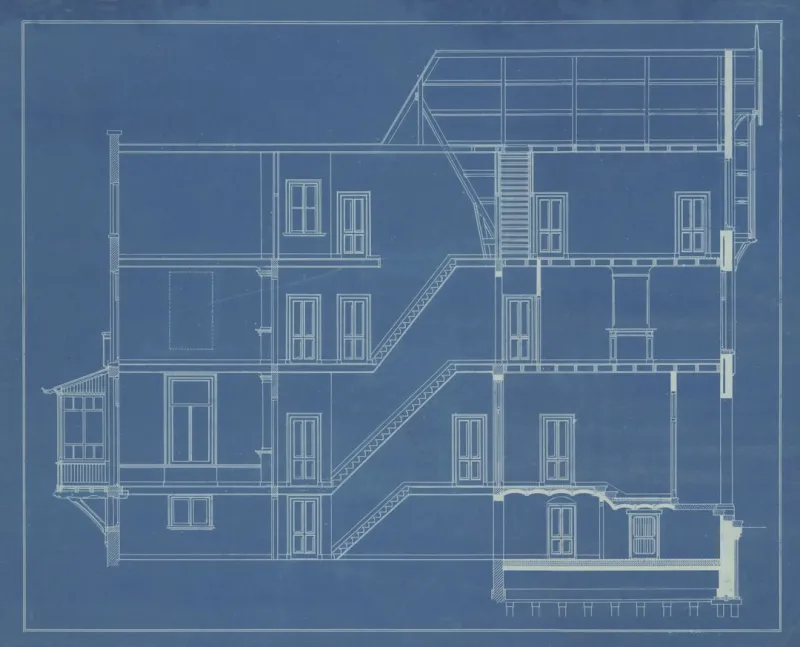
When the earth beneath a home starts to shift, the warning signs are often subtle—tiny hairline cracks in a basement wall, uneven floors that whisper of stress, or doors that suddenly stick for no obvious reason. I’ve spent decades watching these signals flare into full‑blown structural failures, and the lesson I keep returning to is that early detection paired with a sustainable repair strategy can save both money and the environment. By treating the foundation as the spine of a house, we not only protect the building’s integrity but also create a platform for greener upgrades that last for generations.
Understanding the Anatomy of a Problematic Foundation
The soil‑structure interaction is a delicate dance; expansive clays swell with moisture while shrink with dryness, and when the balance tips, the concrete slab or footings respond with stress that manifests as cracks or settlement. A veteran contractor knows that not every crack demands a massive pier installation—sometimes a strategic mudjacking or a low‑impact helium‑filled void fill can restore levelness without the carbon footprint of heavy equipment. Choosing the right technique hinges on a thorough site assessment, moisture mapping, and a clear view of long‑term performance goals, ensuring that the solution is both structurally sound and environmentally responsible.
The Role of Moisture Management in Long‑Term Stability
Water is the silent adversary of foundations; poor drainage, leaky gutters, and unvented crawl spaces feed the ground with excess moisture that expands soils and erodes support. Incorporating sustainable waterproofing measures—such as recycled‑rubber drainage membranes, permeable French drains, and rain‑garden landscaping—creates a resilient barrier that redirects water without relying on chemical sealants that can leach into the soil. When you pair these practices with regular Mastering Modern Waterproofing inspections, you build a defense that protects both the house and the surrounding ecosystem.
Diagnosing Early Warning Signs Before They Escalate
One of the most powerful tools in a contractor’s kit is the ability to read the subtle language of a building’s foundation, and that begins with a systematic visual inspection combined with modern technology like laser levels and thermal imaging. A slight slope in a once‑flat floor or a faint “stair‑step” crack along a exterior wall can indicate differential settlement that, if left unchecked, may require costly pier installation or even a full foundation underpinning. For homeowners eager to empower themselves, I recommend the guide How to Spot and Fix Foundation Issues Before They Cost a Fortune, which breaks down the process into manageable steps you can safely perform before calling in a professional.
Choosing Sustainable Materials for Repair
Traditional concrete repairs often rely on high‑cement mixes that generate significant CO₂ emissions, but the market now offers low‑carbon alternatives such as fly‑ash or slag‑based concretes that deliver comparable strength with a fraction of the environmental impact. In addition, reclaimed bricks, reclaimed stone, and responsibly sourced timber can be integrated into repair designs, preserving the historic character of older homes while reducing demand for new extraction. When I specify these greener options, I also ensure they are compatible with local soil chemistry, preventing future corrosion or degradation that could negate the sustainability benefits.
Implementing Low‑Impact Structural Reinforcement Techniques
Rather than defaulting to massive steel piers, I often employ helical piles made from recycled steel, which can be screwed into the ground with minimal excavation and provide immediate load‑bearing capacity. These piles not only reduce the carbon footprint associated with concrete footings but also allow for future disassembly, aligning with circular economy principles. In cases where soil stabilization is required, injectable polymer foams—derived from plant‑based resins—can fill voids and lift settled slabs without the heavy machinery that typically accompanies traditional mudjacking.
Energy Efficiency Gains from a Stable Foundation
A level foundation eliminates gaps that let cold air infiltrate, directly improving a home’s energy performance and reducing heating and cooling loads. By sealing foundation cracks with sustainable, low‑VOC sealants, you create a tighter building envelope that works hand‑in‑hand with insulation upgrades, such as those explored in The Hidden Power of Insulation, to lower utility bills and carbon footprints. The result is a home that not only stands firm but also contributes to broader climate goals through lower energy consumption.
Cost‑Effective Maintenance Plans for Ongoing Health
Preventive maintenance is the most economical path to a durable foundation; establishing a schedule that includes seasonal gutter cleaning, soil moisture monitoring, and annual structural assessments can catch issues before they demand major intervention. I advise homeowners to adopt a simple checklist: inspect for new cracks after heavy rains, ensure drainage swales remain clear, and verify that landscape grading slopes away from the house. By committing to these routine actions, you extend the lifespan of repairs and keep the overall carbon footprint of your home low.
Integrating Repairs with Broader Sustainable Home Strategies
Foundation work should not exist in isolation; it presents an opportunity to synchronize other green upgrades like solar panel mounting, rainwater harvesting systems, and even smart home automation that monitors humidity and structural movement. Coordinating these projects reduces redundant labor, cuts down on material waste, and creates a cohesive sustainability narrative for the property. When you align foundation repair with initiatives from articles such as DIY Home Repairs: Sustainable Solutions From a Veteran Contractor, you unlock synergies that amplify the overall environmental impact of your home.
Final Thoughts: Building a Resilient Future from the Ground Up
Every crack tells a story, and by listening to those stories with a blend of technical expertise and eco‑mindful practices, you can transform a potentially devastating problem into a showcase of sustainable craftsmanship. The goal is not merely to patch a hole, but to reinforce the very foundation upon which a home’s comfort, health, and energy efficiency depend, ensuring that future generations inherit a structure that is as sturdy as it is kind to the planet. Embrace the process, invest in the right materials, and let your foundation be the first step toward a greener, more resilient living space.

David MacKinnon is a dynamic freelance writer known for his captivating storytelling and keen insights into the world of technology. With a passion for exploring the intersection of innovation and everyday life, he crafts engaging narratives that not only inform but also inspire his readers.
Related Posts
The Intersection of Foundation Repair and Sustainable Home Design
As a foundation repair expert, I've seen firsthand the importance of a solid foundation in ensuring ... Read More
Strategic Foundation Repair for Long-Term Asset Value
A data‑driven, sustainable approach to foundation repair transforms a hidden liability into a stra... Read More
Predictive Foundation Repair: How AI Is Changing the Way We Fix Foundations
Learn why treating foundations as data‑driven assets can cut repair costs, reduce downtime, and bo... Read More
Top Posts
Revolutionizing Kitchen Design: The Future of Countertops
The future of countertops is here. Learn how sustainable materials, innovative manufacturing processes, and smart home renovations are transforming kitchen desi...Read More

From Parking Space to Profit Engine: Reimagining Garage Construction for the E‑Commerce Era
A garage can be more than a car shelter; it can serve as a micro‑distribution hub, workshop, and showroom. Learn design strategies, ROI insights, and futureâ€...Read More
Building a Sustainable Foundation: Strategies Every Contractor Should Know
Explore how smart soil assessment, low‑carbon concrete, and integrated insulation transform foundations into sustainable, long‑lasting building platforms....Read More
Designing for the Unknown: How Adaptive Architecture Future‑Proofs Commercial Spaces
Adaptive architecture embeds modular spaces, responsive façades, and sensor‑driven insights into commercial design, turning buildings into flexible, sustaina...Read More
0 Comments
Post Comment
You will need to Login or Register to comment on this post!