
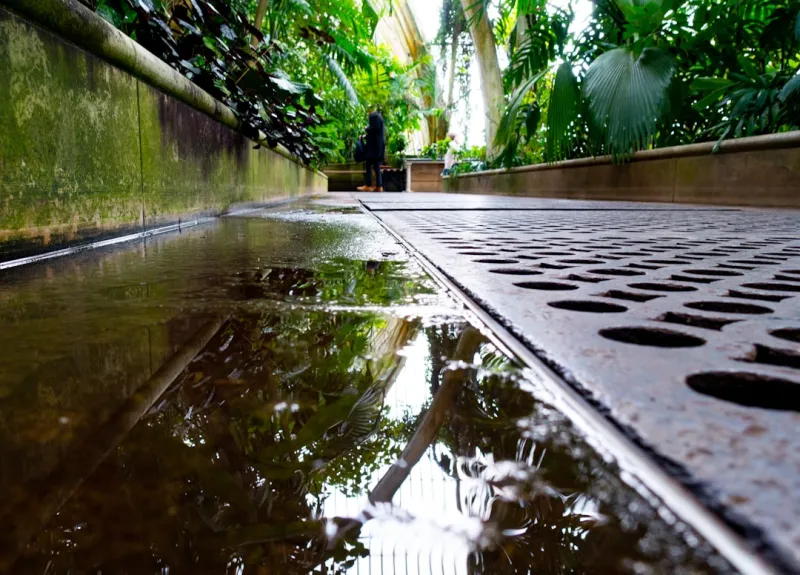
Why Waterproofing Is No Longer an Afterthought
In a climate where rainstorms arrive with unprecedented intensity, homeowners are finally treating waterproofing as a core design principle rather than a patch‑up job after the fact, and that shift is reshaping the industry in ways that echo sustainability, durability, and peace of mind. Modern waterproofing systems now integrate breathable membranes, recycled polymer coatings, and intelligently designed drainage layers that work together to keep moisture where it belongs—outside—while allowing structures to “breathe” naturally, preventing the hidden rot that haunts older builds. For a deeper look at how these practices are evolving, check out the latest Waterproofing Trends article, which maps the cutting‑edge technologies that are turning dry houses into green, resilient homes.
The Science of Moisture Migration and Its Sustainable Countermeasures
Moisture moves through a building envelope by capillary action, vapor diffusion, and pressure differentials, and each pathway demands a targeted solution that respects both the structure and the environment, a philosophy I’ve championed throughout my career. By selecting materials with low embodied carbon—such as bio‑based sealants and reclaimed rubberized membranes—we not only block water intrusion but also reduce the overall carbon footprint of the project, a win‑win that aligns with the growing demand for eco‑friendly construction. When moisture does manage to infiltrate, the first line of defense is rapid detection and remediation, a topic explored in depth in Mold Removal Mastery, where I share proven strategies for turning a potentially hazardous situation into a manageable, sustainable fix.
Foundation Waterproofing: The Bedrock of a Dry Home
The foundation is the literal base upon which every other waterproofing layer relies, and a single oversight here can undo even the most sophisticated exterior systems, making meticulous preparation essential. I recommend a multi‑layer approach that begins with a properly graded site, followed by a closed‑cell spray foam or a liquid‑applied epoxy coating that adheres seamlessly to concrete, creating a barrier that resists both liquid water and vapor pressure. Adding a drainage board or a French drain beneath the slab further channels groundwater away, reducing hydrostatic pressure and protecting the integrity of the foundation for decades to come.
Exterior Wall Systems: Breathable Barriers and Green Integration
When it comes to exterior walls, the goal is to construct a breathable barrier that sheds rain while allowing interior moisture to escape, a balance that traditional “impermeable” membranes often fail to achieve, leading to hidden mold growth behind the cladding. Advanced fluid‑applied membranes equipped with micro‑ventilation pores provide exactly this equilibrium, letting water vapor out while keeping liquid water out, and they can be paired with rain‑screen systems that create a ventilated cavity for additional protection. Pairing these walls with green roofs or vegetated façades not only reduces runoff but also adds an insulating layer that moderates temperature swings, further decreasing the likelihood of condensation forming within the wall assembly.
Interior Waterproofing: Protecting Wet Areas and the Air‑Handling Network
Bathrooms, kitchens, and utility rooms are the most vulnerable interior zones, and sealing them properly requires more than just a good caulk job; it demands a coordinated system of water‑resistant backer boards, sealed joints, and moisture‑resilient paint systems that work together to prevent seepage into structural framing. Equally important is the health of the home’s HVAC and ductwork, because damp ducts can become a conduit for mold spores and degrade indoor air quality, a concern addressed comprehensively in The Sustainable Contractor’s Guide to Duct Cleaning. Regularly inspecting and cleaning ducts, especially after renovations, ensures that any moisture introduced during construction does not linger, preserving both the system’s efficiency and the occupants’ wellbeing.
Smart Waterproofing: Sensors, IoT, and Real‑Time Data
Technology is now a cornerstone of proactive waterproofing, with wireless moisture sensors embedded in critical locations—such as under slabs, within wall cavities, and around plumbing penetrations—sending real‑time data to a homeowner’s smartphone, enabling instant alerts before a small leak becomes a catastrophic failure. These devices often integrate with home automation platforms, allowing automatic activation of sump pumps or dehumidifiers when moisture thresholds are crossed, effectively creating a self‑correcting ecosystem that safeguards the property with minimal human intervention. The rise of AI‑driven analytics also means that patterns can be identified over time, guiding preventative maintenance schedules that are both cost‑effective and environmentally responsible.
Maintenance Habits: The Human Element in Sustainable Waterproofing
Even the most advanced waterproofing system will falter without diligent upkeep, and developing a simple, routine inspection checklist is one of the most impactful habits a homeowner can adopt to extend the life of their waterproofing investments. Start by visually scanning roof flashings, gutter lines, and exterior joints after each heavy rain, looking for water stains, rust, or debris buildup that can compromise drainage pathways; then, test interior wet areas by gently probing grout lines and sealant joints with a moisture meter to catch early signs of failure. Seasonal maintenance—such as clearing leaf litter from drainage swales, re‑applying protective sealers on decks, and scheduling professional duct cleanings—creates a layered defense that aligns perfectly with sustainable building principles.
Putting It All Together: A Sustainable Blueprint for a Dry Future
When waterproofing is approached as an integrated, sustainable system rather than a series of isolated fixes, the result is a home that remains dry, energy‑efficient, and resilient for generations, embodying the very essence of modern green construction. By combining scientifically backed membrane technologies, smart monitoring tools, and disciplined maintenance practices, homeowners can dramatically reduce water‑related damage while also lowering their environmental impact, proving that durability and sustainability are not mutually exclusive. Embrace this holistic mindset, and you’ll find that protecting your home from water becomes a rewarding journey toward a healthier, greener living space.

William Roy is a freelance writer originally from Montreal who moved to Ottawa with his wife of 50 years to be closer to their grandkids. Alongside his writing, William has a passion for fishing.
Related Posts
Waterproofing as a Service: Subscription Models Redefining Property Resilience
A deep dive into why waterproofing is shifting from a one‑time capital project to a subscription s... Read More

Waterproofing Reimagined: From Passive Shield to Intelligent Design Asset
A deep dive into the latest waterproofing innovations—intelligent membranes, transparent systems, ... Read More
Waterproofing: The Quiet Engine of High‑Performance Buildings
A deep dive into why proactive, tech‑enabled waterproofing is a hidden profit driver, covering ROI... Read More
Top Posts
The Evolution of Decking: How Sustainable Practices Are Changing the Game
The decking industry has undergone a significant transformation, with a growing emphasis on eco-friendly options and sustainable practices. Learn about the evol...Read More

Stacked Living: How Modular Vertical Additions Redefine Home Expansion
Vertical modular additions offer a fast, sustainable, and flexible way to gain extra square footage without major construction disruptions. Learn how to design,...Read More
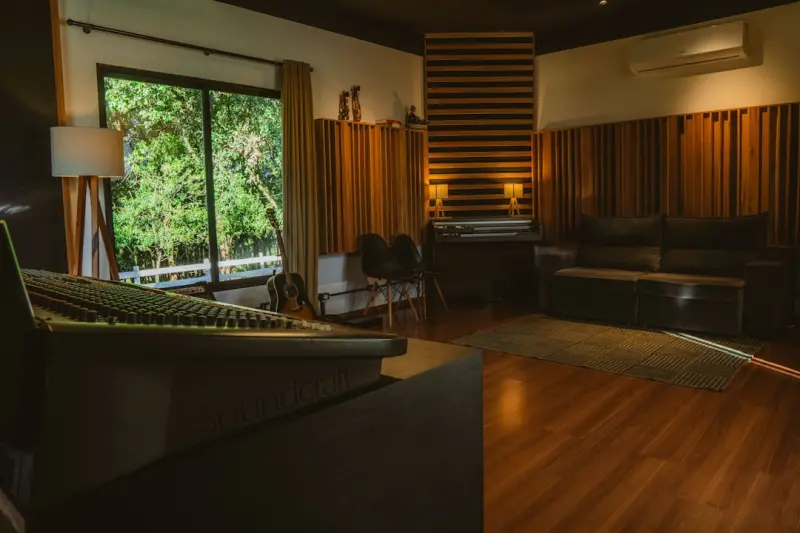
Quiet Homes: Mastering Acoustic Comfort in Modern Construction
Learn the art of acoustic comfort—strategies for sound‑proof walls, flooring, and design choices that turn a bustling house into a tranquil retreat....Read More

Breathing New Life into Aging Woodwork: A Craftsman's Roadmap
Learn how to assess, repair, and protect historic woodwork using modern tools and techniques, ensuring lasting beauty and structural integrity for generations....Read More
0 Comments
Post Comment
You will need to Login or Register to comment on this post!