

Why Paint Is No Longer Just a Cosmetic Choice
When we think about home renovation, paint is often the after‑thought—something we slap on after the heavy lifting is done. Yet the truth is that paint has evolved from a simple pigment slurry into a high‑tech platform that can influence air quality, energy consumption, and even our mental performance. In this piece, I’ll walk you through the three emerging pillars that are reshaping the home painting landscape: smart paint technologies, health‑centric formulations, and the psychology of color for modern living. By the end, you’ll have a roadmap to turn your walls from passive surfaces into active contributors to a healthier, more productive home.
1. Smart Paint: The Wall Gets a Brain
Imagine a coat of paint that can sense temperature changes, detect moisture, or even change hue with the sunrise. That’s not science fiction; it’s the frontier of tech‑savvy home ally solutions that are creeping into the mainstream. Companies are embedding nanomaterials, conductive particles, and micro‑capsules into acrylic binders, creating surfaces that act like thin, flexible sensors.
- Thermal‑Regulating Paints contain phase‑change materials (PCMs) that absorb excess heat during the day and release it at night, effectively flattening indoor temperature swings. The result? Less reliance on HVAC cycles and a quieter, more stable indoor climate.
- Moisture‑Detecting Coatings change color when humidity spikes, giving homeowners an early warning for leaks or condensation problems in basements and bathrooms.
- Dynamic Color‑Shift Paints use electrochromic pigments that respond to electrical currents, allowing you to toggle between a calming blue in the evening and a bright, energizing yellow in the morning with a simple app.
These innovations aren’t just gimmicks. They’re backed by research showing that environments that adapt to occupants can reduce stress and improve focus—a critical advantage for anyone working from home.
2. Low‑VOC and Bio‑Based Paints: Breathing Easier Indoors
Traditional oil‑based paints release volatile organic compounds (VOCs) that can linger for weeks, contributing to indoor air pollution and triggering headaches, allergies, or even more serious respiratory issues. The market response has been a rapid shift toward low‑VOC and bio‑based alternatives.
What makes these paints truly “green” isn’t just the reduced chemical load; it’s the source material. Plant‑based resins derived from soy, linseed, or even algae provide a renewable backbone for the paint film. When paired with pigments that are free from heavy metals, you end up with a finish that’s both environmentally responsible and safer for families, pets, and home‑based workforces.
Here’s a quick checklist to ensure you’re selecting the healthiest option:
- Look for certifications such as Green Seal, GREENGUARD, or the EPA’s Safer Choice label.
- Check the VOC rating—ideally under 50 g/L for interior applications; many premium lines now sit under 10 g/L.
- Verify the binder source—bio‑based acrylics are a solid middle ground between performance and sustainability.
By swapping out conventional paint for a low‑VOC formula, you’ll notice immediate benefits: less odor, faster drying times, and a noticeable reduction in the “stuffy” feeling that often follows a paint project.
3. Color Psychology: Painting for Productivity and Well‑Being
While the tech and health aspects of paint are fascinating, the most visceral impact comes from the colors themselves. Research from environmental psychology shows that hue, saturation, and brightness can sway mood, cognitive function, and even heart rate. For homeowners who spend a significant chunk of the day within their walls—particularly remote workers—leveraging color science can be a game‑changer.
3.1. The Home Office Palette
Studies suggest that soft blues and muted greens boost concentration and reduce anxiety. Pair these with a neutral base (think warm greys or off‑whites) to keep the space from feeling overly clinical. A single accent wall in a deeper teal can add visual interest without overwhelming the senses.
3.2. The Family Zone
In shared living areas, you want a balance of energy and calm. Warm yellows stimulate conversation, while light corals bring a sense of optimism. Use these hues in moderation—perhaps on the ceiling or on trim—to create an uplifting backdrop that still feels grounded.
3.3. Sleep Sanctuaries
Bedrooms benefit from the lowest possible saturation. Pale lavenders and soft greys promote melatonin production, making it easier to wind down. Avoid bright reds or oranges in this zone, as they can trigger adrenaline pathways.
When you combine these color strategies with the low‑VOC and smart paint options discussed earlier, you end up with a living environment that not only looks good but actively supports health and productivity.
4. Practical Steps to Future‑Proof Your Paint Project
Ready to take the plunge? Here’s a step‑by‑step plan that integrates the three pillars above while keeping the process manageable for a DIY homeowner.
- Assess Your Goals: Are you looking to improve air quality, add tech capabilities, or simply refresh the look? Write down your top three objectives to guide product selection.
- Choose the Right Paint Type: For health‑focused homes, prioritize low‑VOC or bio‑based paints. If you’re interested in smart features, select a brand that offers thermal‑regulating or moisture‑detecting options.
- Sample Colors Strategically: Use large, removable paint swatches on the wall rather than small chips. Observe them at different times of day to see how natural light shifts the hue.
- Prep the Surface Properly: Clean, sand, and prime as needed. This is where many DIYers cut corners, leading to premature peeling or uneven color.
- Apply with Precision: Use high‑quality rollers and brushes designed for your paint’s finish (e.g., low‑sheen, satin). For smart paints, follow manufacturer guidelines closely—some require a specific thickness to activate embedded sensors.
- Integrate Smart Controls: If you’ve chosen dynamic color‑shift paint, set up the companion app. Pair it with your existing smart home hub so that the lighting and color changes can be automated based on schedules or circadian rhythms.
- Maintain the Finish: Low‑VOC paints often have a longer lifespan, but regular dusting and gentle cleaning with pH‑neutral solutions will keep them looking fresh. For moisture‑detecting paints, schedule periodic checks of the color indicator to catch any hidden leaks early.
5. The Business Angle: Adding Value for Home Sellers
If you’re considering a paint upgrade as part of a resale strategy, the ROI can be substantial. Buyers increasingly prioritize health and technology features. A home equipped with smart paint that can alert them to humidity spikes or offers energy‑saving thermal regulation often commands a premium in the market.
Real estate data shows that homes with modern, low‑VOC finishes sell up to 5% faster than those with older, high‑VOC paints. Pairing these finishes with a thoughtful color palette that aligns with the latest design trends can further differentiate the property.
6. The Future Is Already on Your Walls
What started as a humble decorative medium is now a multidisciplinary platform intersecting materials science, digital technology, and human psychology. By embracing smart paint, low‑VOC formulations, and evidence‑based color choices, you’re not just updating a room—you’re investing in a living environment that supports well‑being, sustainability, and future resale value.
If you’re curious about how these innovations fit within a broader home‑maintenance ecosystem, take a look at the evolving role of the modern handyman. The rise of subscription handyman services means you’ll have a reliable partner to manage the technical aspects of smart paint installations, routine sensor calibrations, and any necessary touch‑ups down the line.
In the end, the walls you choose to paint are more than just a backdrop—they’re an active participant in the story of your home. Choose wisely, and watch your space transform from static to dynamic, from decorative to functional, and from ordinary to extraordinary.

David MacKinnon is a dynamic freelance writer known for his captivating storytelling and keen insights into the world of technology. With a passion for exploring the intersection of innovation and everyday life, he crafts engaging narratives that not only inform but also inspire his readers.
Related Posts
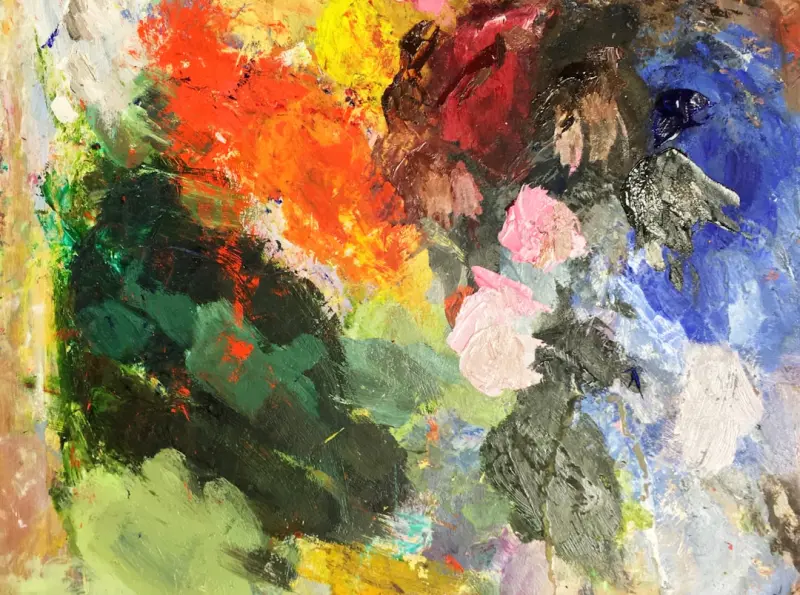
The Color Code: How Strategic Painting Transforms Your Home
A fresh, strategic guide shows how to match paint colors, finishes, and lighting to each room’s pu... Read More
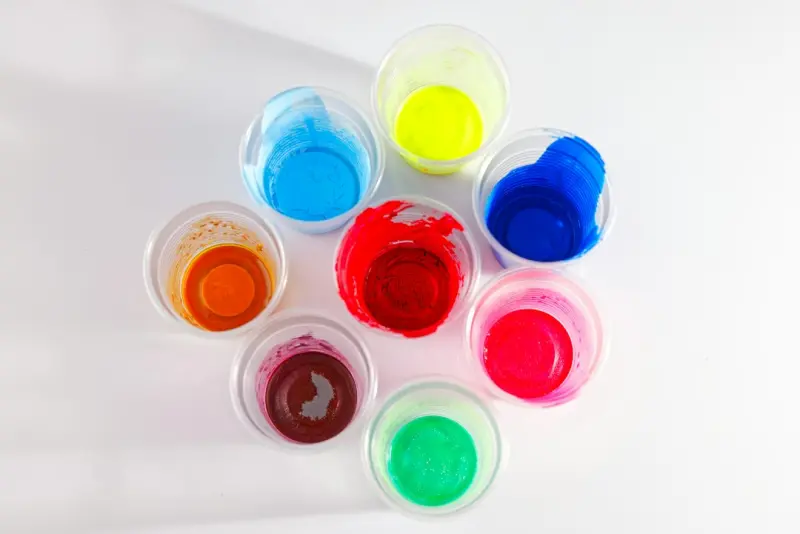
The Hidden Power of Paint: How Color Science Boosts Business Spaces
Paint isn’t just decoration—it’s a strategic tool. Learn how low‑VOC, smart paint, and color... Read More

Beyond Color: How Thoughtful Painting Transforms Home Wellness
A comprehensive guide that shows how intentional paint selection—considering color psychology, low... Read More
Top Posts
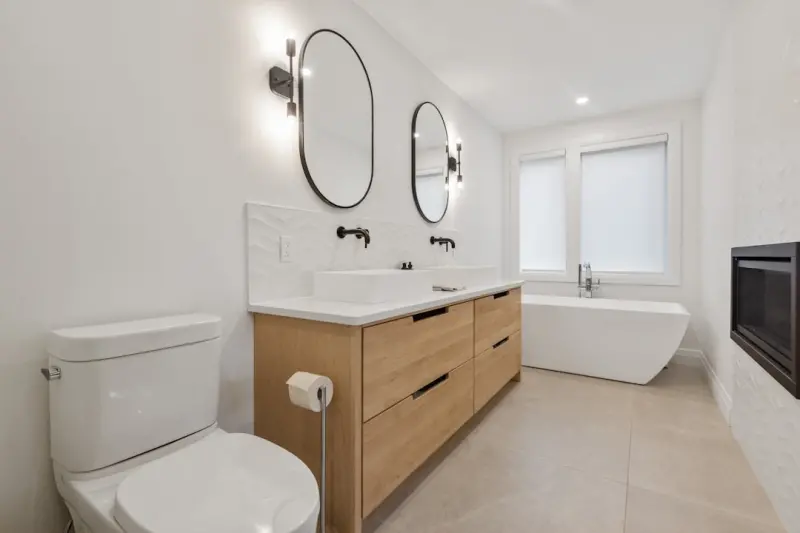
The Secret to a Wellness‑Focused Bathroom Renovation
Discover how to turn a standard bathroom into a wellness sanctuary using color psychology, sensory lighting, smart storage, and eco‑friendly materials....Read More

Building a Quiet Home: Acoustic Strategies for Modern Construction
Explore how to design and construct a home that prioritizes sound control, from decoupled walls to acoustic windows, ensuring lasting quiet and comfort....Read More

Quiet Home Restoration: How to Tame Noise and Boost Comfort
A practical guide to acoustic home restoration, covering noise sources, material choices like mass‑loaded vinyl and reclaimed wood, DIY versus professional wo...Read More
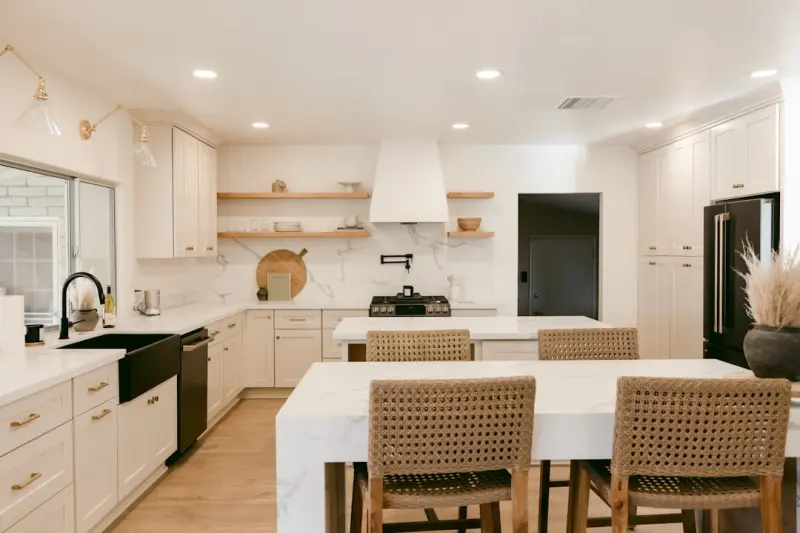
Designing a Kitchen That Nurtures Family Connection
A kitchen remodel isn’t just about style—it’s a chance to shape how families connect, eat, and unwind. Learn the design secrets that turn the heart of the...Read More
0 Comments
Post Comment
You will need to Login or Register to comment on this post!