

When I first picked up a brush in my own kitchen, I wasn’t just thinking about covering a wall; I was staging a silent conversation between my space and my senses. Home painting is often dismissed as a cosmetic tweak, but the truth is that every pigment, finish, and technique carries the power to shape mood, improve health, and even influence productivity. In this deep dive, I’ll walk you through the layers of intention that turn a simple coat of paint into a strategic wellness tool for any household.
Why Paint Is More Than Just Aesthetic
Color is a language that our brains read faster than any written word. Researchers have shown that certain hues can lower blood pressure, boost creativity, or encourage calmness. When you select a paint shade, you’re essentially curating an environment that can either fuel your daily hustle or lull you into relaxation. This is especially relevant today, as many of us juggle remote work, homeschooling, and personal projects under one roof.
Beyond psychology, paint also plays a practical role in indoor air quality, acoustic comfort, and durability. Modern formulations now prioritize low‑volatile organic compounds (VOCs), which means you can refresh a room without sacrificing the air you breathe. Additionally, the right finish can dampen echo, turning a cavernous living room into a cozier, more intimate space.
Step 1: Diagnose Your Space Like A Doctor
Before you even open a paint can, take a moment to assess the room’s function, natural light, and traffic flow. Ask yourself:
- What’s the primary activity? A home office benefits from focus‑enhancing blues or muted greens, while a family room thrives on warm, inviting tones.
- How much daylight pours in? Bright rooms can handle deeper shades without feeling oppressive; darker spaces may need lighter, reflective colors to bounce light around.
- What’s the acoustic profile? High‑traffic areas often generate noise; a matte or flat finish can absorb sound, whereas gloss reflects it.
- Are there health concerns? Look for paints labeled Zero-VOC or Low-VOC if allergies or asthma are an issue.
This diagnostic approach mirrors a medical intake, ensuring you prescribe the right “treatment” for each wall.
Step 2: Harness the Science of Color Psychology
Here’s a quick cheat sheet to match emotions with pigments:
- Blue – Enhances focus and calm; ideal for workspaces and bedrooms.
- Green – Restores balance and reduces stress; perfect for kitchens and living areas.
- Yellow – Sparks optimism and creativity; great for playrooms or creative studios.
- Red – Invigorates and energizes; use sparingly in dining areas to stimulate appetite.
- Neutral tones (beige, greige, taupe) – Offer flexibility and a grounding backdrop for art and furniture.
While these guidelines are useful, personal preference matters most. The goal isn’t to follow a rigid formula but to align the color’s emotional cue with your lifestyle.
Step 3: Choose Sustainable Paints Without Compromise
Eco‑consciousness has moved far beyond recycling bins. Paint manufacturers now offer options that combine performance with planet‑friendly credentials. Look for the following labels:
- Zero-VOC – No measurable volatile organic compounds; safest for indoor air.
- Natural pigments – Derived from minerals or plant extracts, reducing reliance on synthetic dyes.
- Recycled content – Some brands incorporate reclaimed plastics or glass into the binder.
- Certifications – Green Seal or GREENGUARD Gold indicate stringent environmental standards.
Choosing sustainable paint not only protects your health but also aligns with a broader commitment to responsible living. And the good news? Many of these eco‑options perform just as well as traditional paints, delivering excellent coverage and durability.
Step 4: Master the Finish—Matte, Satin, Eggshell, Semi‑Gloss, Gloss
The finish you select determines how light interacts with the surface, as well as how resistant the paint will be to cleaning and wear. Here’s a quick rundown:
- Matte (Flat) – Absorbs light, hides imperfections, and offers a soft, sophisticated look. Ideal for ceilings and low‑traffic bedrooms.
- Eggshell – Slightly reflective, easy to clean; works well in living rooms and hallways.
- Satin – Offers a subtle sheen and excellent durability; perfect for kitchens, bathrooms, and children’s rooms.
- Semi‑Gloss – Highly reflective, great for trim, doors, and high‑moisture areas where frequent cleaning is needed.
- Gloss – The most reflective finish, best for accent pieces, cabinets, or decorative trim.
Choosing the right finish can also improve acoustic comfort. Matte and low‑sheen finishes absorb sound, reducing echo, while high‑gloss surfaces can amplify it. If you’re dealing with a large, open-plan space, consider a satin or eggshell finish to strike a balance between visual appeal and acoustic dampening.
Step 5: Prepare Like A Pro—Surface Prep Is Key
Even the most premium paint won’t look its best on a neglected surface. Follow these preparation steps:
- Clean the walls – Use a mild detergent solution to remove grease and dust. Rinse thoroughly.
- Repair imperfections – Fill holes and cracks with spackle; sand smooth once dry.
- Prime appropriately – Light-colored walls may not need a primer, but darker shades or new drywall benefit from a quality primer to ensure even coverage.
- Mask edges – Apply painter’s tape to trim, windows, and ceilings for crisp lines.
Skipping these steps can lead to uneven color, peeling, or an overall amateur finish.
Step 6: Apply Technique—The Art of the Brush, Roller, and Sprayer
Each tool offers distinct benefits:
- Brush – Ideal for cutting in corners and detailed work. Use a high‑quality synthetic brush for water‑based paints.
- Roller – Covers large areas quickly. Choose a nap length based on surface texture; a ¼‑inch nap works well for smooth walls, while a ¾‑inch nap handles textured surfaces.
- Sprayer – Delivers the most uniform coat, but requires careful masking and ventilation.
Regardless of the tool, maintain a “wet edge” to avoid lap lines. Work in sections, overlapping each pass by about 50%. For deeper colors, plan on two coats; lighter hues may need just one, depending on the opacity of the paint.
Step 7: Integrate Technology Thoughtfully
While I’m a big fan of smart paint innovations, you don’t need a full‑blown IoT ecosystem to make your walls work harder. Simple tools like a digital color visualizer can help you preview hues in real time, reducing the guesswork and waste associated with test patches. Additionally, pairing paint with predictive HVAC settings can create a harmonious climate where colors and temperature reinforce each other—cool blues paired with a slightly cooler room temperature can amplify the calming effect.
Step 8: Leverage Accent Walls for Strategic Impact
Accent walls are a low‑commitment way to introduce bold colors or textures without overwhelming a space. Use them to:
- Highlight architectural features such as a fireplace or built‑in bookshelf.
- Define functional zones in open‑plan homes—e.g., a navy wall behind a home office desk to create focus.
- Introduce a pop of color that can be easily updated later, keeping the overall palette flexible.
When planning an accent wall, consider the room’s dominant lighting direction. A wall that receives the most natural light will showcase the paint’s true hue, while a shaded wall may appear muted.
Step 9: Maintain the Finish for Longevity
Proper maintenance ensures your investment lasts. Follow these tips:
- Gentle cleaning – Use a soft cloth and mild soap for matte finishes; avoid abrasive scrubbing.
- Touch‑up kit – Keep a small container of the original paint for quick repairs.
- Re‑coat schedule – High‑traffic areas may need a fresh coat every 3‑5 years, while low‑traffic rooms can go longer.
Regular upkeep not only preserves aesthetics but also maintains the protective qualities of low‑VOC paints, keeping indoor air fresh.
Step 10: Celebrate the Transformation
After the final brushstroke dries, step back and notice the subtle shifts in how the room feels. You might sense a newfound calm in your bedroom, a burst of energy in your home office, or an increased sense of cohesion throughout your living area. The true reward of thoughtful painting lies in these intangible benefits that improve daily life, all while boosting the visual appeal of your home.
In my own practice, I’ve watched families move from a drab, uninspired setting to a vibrant, health‑promoting sanctuary simply by choosing colors and finishes aligned with their lifestyle goals. That’s the power of home painting when approached with intention.

When it comes to the world of blogging and writing, Rose DesRochers is a name that stands out. Her passion for creating quality content and connecting with her audience has made her a trusted voice in the industry. Aside from her skills as a writer and blogger, Rose is also known for her compassionate nature.
Related Posts

Transform Your Home with Color: A Fresh Take on Painting
Explore the hidden power of paint—from mood‑boosting hues and sustainable formulas to smart fini... Read More

When Walls Talk: Harnessing Smart Paint and Color Science for a Healthier, More Productive Home
A deep dive into smart paint technology, health‑focused color choices, and practical tips for inte... Read More

The Power of Paint: How Sustainable Home Painting Can Transform Your Space
Learn how sustainable home painting can transform your space and reduce your environmental footprint... Read More
Top Posts
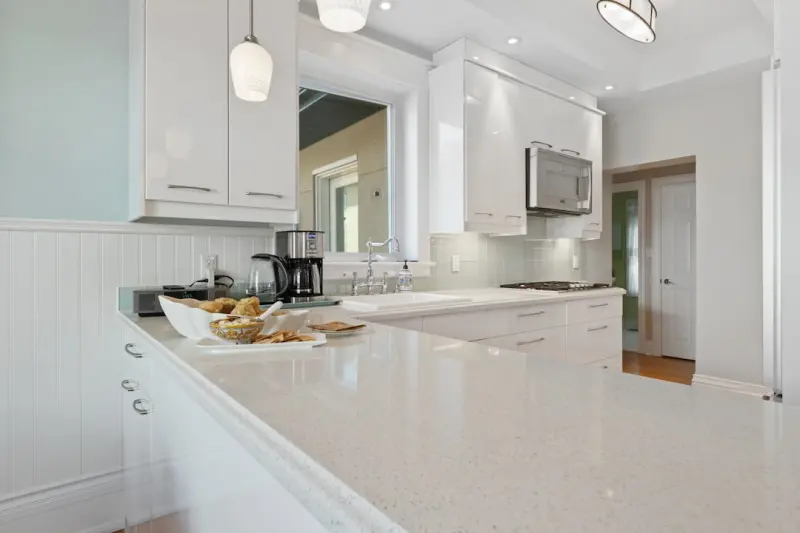
Countertop Intelligence: Turning Work Surfaces into Strategic Assets
Countertops are evolving from static slabs to intelligent, sustainable, and modular platforms that deliver real‑time insights, reinforce brand identity, and b...Read More

Reviving Vintage Windows: A Homeowner’s Guide to Authentic Restoration
Learn to assess, restore, and maintain vintage windows, blending heritage charm with modern efficiency for lasting home value....Read More

Awning Strategies for Urban Climate Resilience and Brand Growth
Awnings are more than shade—they’re a low‑cost, high‑impact tool for cooling urban spaces, reducing energy use, and turning façades into dynamic brand ...Read More
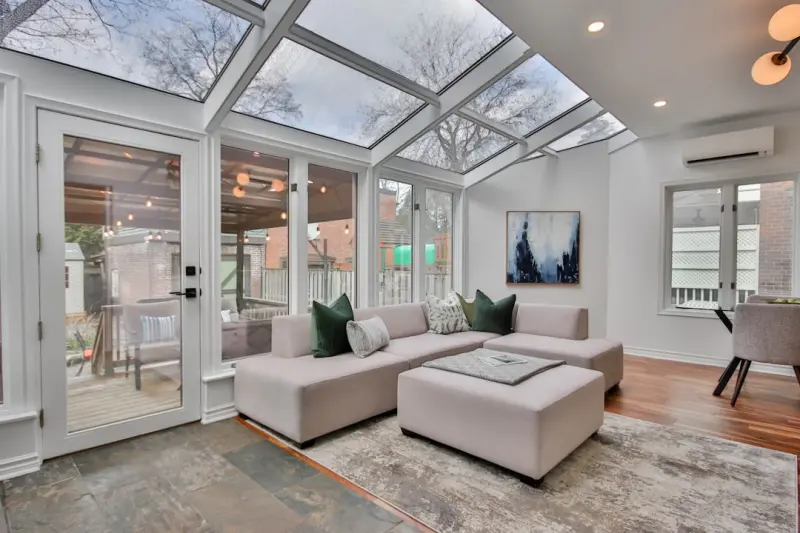
Reimagining the Sunroom: A Passive‑Living Sanctuary for Health, Energy, and Community
A sunroom can be more than a decorative add‑on; by harnessing daylight, passive solar heating, subtle biophilic elements, and smart yet unobtrusive controls, ...Read More
0 Comments
Post Comment
You will need to Login or Register to comment on this post!