
The Untapped Potential of Grey‑Water Recycling in Commercial Plumbing
When most people think about plumbing, the image that pops up is a network of copper pipes delivering pristine water to sinks and showers. That’s the whole story for a lot of facilities, but it’s only half the picture. In my 20‑plus years of working in the trenches—both literally and metaphorically—I’ve watched the industry evolve from simple pipe‑fitting to sophisticated water‑management ecosystems. Yet, one opportunity remains surprisingly underutilized: grey‑water recycling.
Grey‑water, the gently used water from sinks, showers, and laundry machines, has long been dismissed as “just waste.” In reality, it’s a resource waiting to be reclaimed, treated, and re‑introduced into a building’s water loop. For commercial properties—office towers, hotels, hospitals, and even co‑working spaces—the benefits are three‑fold: cost savings, environmental impact reduction, and future‑proofing against tightening water regulations. In this post I’ll walk you through the technical, financial, and cultural steps to make grey‑water recycling not just a buzzword, but a cornerstone of modern plumbing design.
Why Grey‑Water Matters Now More Than Ever
Urban centers worldwide are feeling the pinch of dwindling freshwater supplies. Climate change, population growth, and aging infrastructure combine to create a perfect storm for water scarcity. In many municipalities, water tariffs have already begun to climb, and regulators are introducing stricter limits on non‑essential water use. For building owners, the message is clear: you can’t afford to keep treating all water as a consumable commodity.
Grey‑water recycling addresses this challenge head‑on. By diverting water that would otherwise be flushed away, you can cut potable water demand by up to 30 % in a typical office building. That translates directly into lower utility bills and a smaller carbon footprint. Moreover, many green building certification programs—LEED, BREEAM, and WELL—reward projects that incorporate water‑reuse strategies, unlocking additional marketability and tenant appeal.
Decoding the Grey‑Water Spectrum
Not all grey‑water is created equal. Understanding the source streams and their contaminant profiles is the first step in designing a system that meets both performance and compliance goals.
- Low‑strength grey‑water: From bathroom sinks and showers. Typically low in organic load, making it the easiest to treat.
- Medium‑strength grey‑water: From laundry machines and kitchen sinks (excluding dishwashers). Contains detergents, fats, and food particles.
- High‑strength grey‑water: Includes water from commercial kitchens and car‑wash bays. Often requires more robust treatment.
Most commercial buildings will focus on low‑ and medium‑strength streams because they deliver the highest return on investment with the simplest technology.
Core Components of a Commercial Grey‑Water System
Below is the typical layout you’ll encounter when you map out a retrofit or a new‑construction project:
- Collection Network: Separate piping from the grey‑water sources to a dedicated holding tank. This network must be clearly labeled and isolated from the potable water system to meet code.
- Pre‑Filtration: Coarse screens and sediment traps remove hair, lint, and larger particles that could foul downstream equipment.
- Treatment Unit: Depending on water quality goals, you might use a simple sand filter, a biological membrane bioreactor, or an advanced UV‑oxidation system.
- Storage: A pressurized tank keeps treated water ready for use. Sizing is critical—too small and you’ll face “dry‑run” scenarios during peak demand; too large and you waste space and capital.
- Distribution Loop: Treated grey‑water is pumped to end‑uses such as toilet flushing, irrigation, or cooling‑tower makeup.
Each component offers a chance to embed intelligence. For instance, integrating Connected Pipes technology can provide real‑time flow analytics, leak detection, and predictive maintenance alerts—turning a passive water‑reuse system into an active asset.
Designing for Reliability: Lessons from the Field
When I was on a project converting an old office building into a tech‑hub, the owner wanted a flashy grey‑water system but was wary of any “downtime.” Here’s what we learned:
- Redundancy Matters: Install dual treatment trains so if one unit needs cleaning, the other can keep the system running.
- Fail‑Safe Controls: Use pressure sensors that automatically isolate the grey‑water loop if contamination spikes, preventing cross‑connection with potable water.
- Accessible Maintenance: Place filters and membranes at waist height and provide clear service manuals. A system is only as good as the crew that maintains it.
These practical steps echo the broader trend of treating plumbing as a data‑driven, service‑oriented function—something we’ve explored in depth in the Connected Pipes article. The same principles apply: visibility, predictability, and automated response.
Financial Modeling: From CapEx to Payback
One of the biggest hurdles to adoption is the upfront capital expense. However, when you run a thorough lifecycle cost analysis, the numbers tell a compelling story.
- Initial Investment: Includes design, excavation, piping, treatment units, and control systems. For a 10,000 sq ft office, this can range from $150k to $250k.
- Operating Costs: Energy for pumps, consumables for filters, and periodic membrane replacement. Typically 10–15 % of the capital cost per year.
- Savings: Reduced potable water consumption (often 30 %–40 % in office settings) and lower wastewater discharge fees.
- Payback Period: Most projects see ROI within 3–5 years, especially when combined with incentives from local water utilities or green‑building grants.
When you factor in intangible benefits—enhanced brand reputation, tenant demand for sustainable spaces, and compliance with future water‑use ordinances—the business case becomes even stronger.
Regulatory Landscape: Navigating Codes and Permits
Every jurisdiction has its own set of rules governing grey‑water reuse. In the United States, the International Plumbing Code (IPC) and local health departments dictate where reclaimed water can be used and what treatment levels are required.
Key compliance points include:
- Separate piping systems with backflow prevention devices.
- Approved treatment technologies—often a combination of filtration and disinfection.
- Regular water‑quality testing, typically weekly for bacterial counts and monthly for chemical parameters.
- Clear signage for maintenance crews to avoid accidental cross‑connection.
Working closely with a certified plumbing engineer and local authorities early in the design phase can prevent costly redesigns later. In my experience, a well‑documented Water Reuse Plan that outlines monitoring protocols often speeds up permit approval.
Integrating with Existing Building Management Systems (BMS)
Modern commercial properties run on sophisticated BMS platforms that monitor HVAC, lighting, and security. Grey‑water systems can be seamlessly integrated, providing a holistic view of water usage across the entire portfolio.
Typical integration points include:
- Flow Meters: Feed data into the BMS dashboard for real‑time usage analytics.
- Quality Sensors: Trigger alerts if turbidity or chlorine residuals drift out of spec.
- Energy Meters: Correlate pump power draw with water output to optimize efficiency.
When you layer these insights with the predictive algorithms discussed in the AI‑Powered Energy Inspection post, you unlock a new level of operational intelligence—identifying not just leaks but also opportunities to shift non‑critical loads to off‑peak hours.
Human Factors: Changing Behavior to Maximize Impact
Even the most advanced system can fall short if occupants aren’t on board. In one of my recent projects—a boutique hotel—guests were initially skeptical about “recycled” water in their bathrooms. We tackled this with a two‑pronged approach:
- Transparent Communication: Simple, elegant signage explaining the treatment process and environmental benefits.
- Performance Metrics: Real‑time displays in the lobby showing gallons saved each day, turning sustainability into a visible, tangible achievement.
The result? Guest satisfaction scores rose, and the hotel earned a “Green Lodging” certification, proving that a well‑crafted narrative can turn a technical solution into a marketing asset.
Future Trends: From Grey‑Water to Full‑Circle Water Management
Grey‑water recycling is just the opening act. The next wave of innovation will blend it with rainwater harvesting, on‑site desalination, and even atmospheric water generation. Imagine a skyscraper that captures rain, treats grey‑water, and uses AI to balance the two sources based on weather forecasts and occupancy patterns.
Emerging technologies to watch:
- Smart Membranes: Self‑cleaning filters that adjust pore size based on contaminant load.
- IoT‑Enabled Sensors: Distributed networks that map water quality at the pipe level, feeding data into cloud analytics platforms.
- Decentralized Treatment Pods: Modular units that can be added or removed as a building expands, reducing the need for large, centralized tanks.
These developments will further blur the line between traditional plumbing and high‑tech asset management, reinforcing the idea that water infrastructure is a strategic, revenue‑generating component of any commercial property.
Getting Started: A Step‑by‑Step Blueprint
If you’re ready to explore grey‑water recycling for your building, here’s a practical roadmap:
- Assess Feasibility: Conduct a water‑use audit to quantify potential grey‑water sources and volume.
- Define Objectives: Are you targeting cost savings, LEED points, or regulatory compliance?
- Engage Stakeholders: Bring together facility managers, sustainability officers, and finance teams early.
- Select Technology: Match treatment methods to water quality requirements and space constraints.
- Develop a Detailed Design: Include redundancy, fail‑safe controls, and BMS integration.
- Secure Permits: Submit a comprehensive Water Reuse Plan to local authorities.
- Implement and Commission: Follow a phased rollout—pilot on a single floor before scaling building‑wide.
- Monitor and Optimize: Use data dashboards to track performance, adjust treatment parameters, and report savings.
Remember, the journey is iterative. As you gather data, you’ll discover new efficiencies—whether it’s tweaking pump schedules or upgrading to a higher‑efficiency membrane.
Conclusion: Turning Waste Into Value
Grey‑water recycling is more than a sustainability checkbox; it’s a strategic lever that can lower operating costs, future‑proof your building, and enhance brand reputation. By treating water as a managed asset—complete with sensors, analytics, and automated controls—you align plumbing with the broader digital transformation sweeping through commercial real estate.
So the next time you walk past a faucet, think beyond the immediate flow. Ask yourself: How can this water be captured, treated, and returned to serve another purpose? The answer lies in a blend of engineering rigor, smart technology, and a willingness to challenge the old “use‑once‑discard” mindset. In my two decades on the job, I’ve seen the industry evolve; I truly believe grey‑water recycling is the next big leap forward.

Tom Ferguson is a Canadian freelance writer with a passion for storytelling, current events, and thoughtful commentary. Drawing on years of writing experience, he shares engaging insights on a wide range of topics, bringing a uniquely Canadian perspective to his work.
Related Posts
The Importance of Regular Plumbing Maintenance
Regular plumbing maintenance is crucial for homeowners to prevent costly repairs, ensure efficient w... Read More
Connected Pipes: Transforming Plumbing into a Data‑Driven Asset
Plumbing can do more than deliver water—by integrating flow, acoustic, and pressure sensors, facil... Read More

Transforming Pipes into Profit: Leveraging Modern Plumbing for Business Growth
By re‑imagining water networks as strategic assets, building owners can cut waste, improve tenant ... Read More
Top Posts
Transform Your Garage into a Multi‑Purpose Powerhouse
Learn to convert a traditional garage into a versatile, future‑proof space that serves as a workshop, gym, and EV charging hub, adding value and lifestyle ben...Read More

Foundation Futures: Embedded Sensors and Sustainable Design
A deep dive into how modern foundations are becoming data‑rich, energy‑active systems through sensors, low‑carbon concrete, and renewable integration, off...Read More

Home EV Charging: Wiring, Safety & Smart Planning
Planning to plug in an electric car? I break down the essential wiring steps, safety checks, and smart upgrades you need to make home EV charging reliable and f...Read More
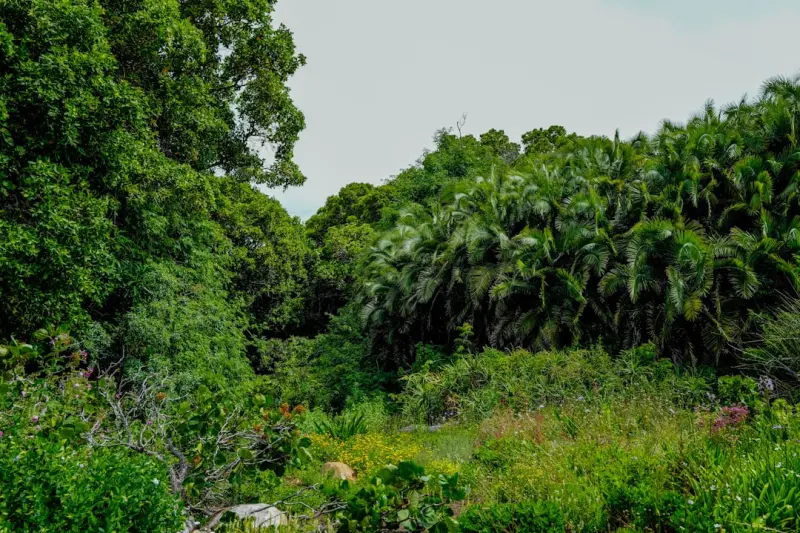
Reimagining Commercial Landscapes: Data‑Driven, Biodiverse, and Resilient
A deep dive into turning ordinary corporate grounds into strategic, eco‑friendly assets using sensor‑based irrigation, native plant corridors, and renewable...Read More
0 Comments
Post Comment
You will need to Login or Register to comment on this post!