
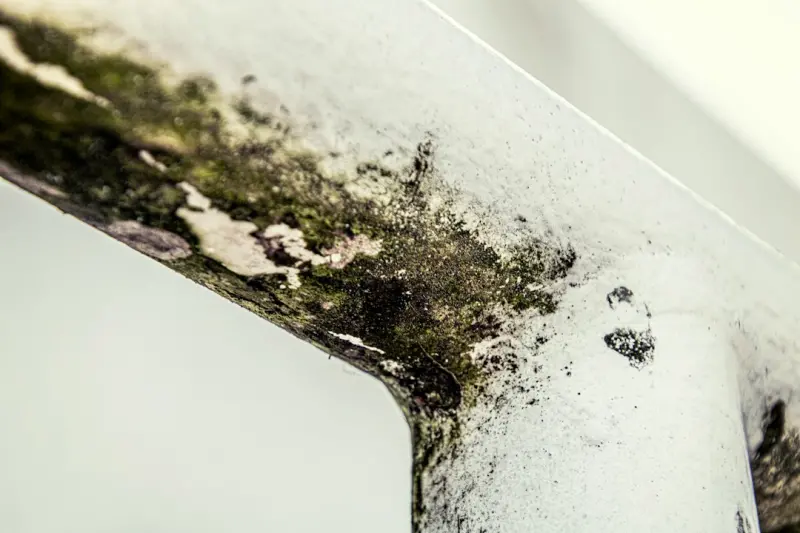
Why Mold Removal Needs a Data‑First Mindset
When I first stepped onto a construction site fresh out of college, mold was something I thought of as “the nasty thing you scrub off with bleach.” Twenty‑plus years later, I still see that same surface‑level view—but the stakes have changed dramatically. In commercial real‑estate, mold is no longer just an aesthetic nuisance; it’s a silent performance‑killer that can erode asset value, depress occupancy rates, and trigger costly liability claims. The only way to stay ahead is to treat mold like any other operational metric: measure it, predict it, and act before it becomes a crisis.
The Hidden Business Cost of Ignoring Mold
Most facility managers can point to a handful of line items that chew up budgets: HVAC servicing, roof repairs, and routine janitorial contracts. Mold, however, hides in the cracks of that balance sheet. A single outbreak can force:
- Unplanned downtime as spaces are closed for remediation.
- Reduced tenant satisfaction leading to higher turnover and vacancy rates.
- Health‑related claims that expose owners to lawsuits and insurance hikes.
- Decreased resale value because prospective buyers see a “risk flag” on the property record.
When you convert these outcomes into dollars, the cost of a delayed response often exceeds the price of a proactive monitoring program by a factor of three or more.
From Reactive Scrubbing to Predictive Insight
The traditional mold‑removal playbook reads like a checklist: inspect, test, treat, and document. It works—if you get lucky enough to discover the problem before it spreads. The real game‑changer is predictive maintenance powered by AI. By feeding humidity, temperature, and airflow data into a machine‑learning model, you can forecast the probability of mold growth in any given zone.
Think of it as a weather forecast for your walls: instead of waiting for the storm to hit, you see the clouds gathering and close the windows pre‑emptively.
IoT Sensors: The Eyes and Ears of Your Building
Modern IoT devices have become cheap enough to deploy at scale, yet sophisticated enough to differentiate between harmless moisture and conditions ripe for fungal colonization. The most effective sensor stack includes:
- Relative humidity sensors with ±2% accuracy, placed near exterior walls, basements, and HVAC return ducts.
- Temperature probes that log data every five minutes, helping to identify “cold spots” where condensation forms.
- Spore‑counting optical sensors (still emerging) that can detect airborne mold particles in real time.
These devices talk to a central platform via low‑power LoRaWAN or Wi‑Fi, streaming a continuous data feed that can be visualized on a dashboard or fed into an existing Computerized Maintenance Management System (CMMS).
Integrating Mold Data into Your Facility Management Workflow
Data is meaningless without context. The key is to embed mold metrics alongside your other KPIs—energy use intensity, work‑order completion rates, and equipment uptime. A practical integration looks like this:
- Set baseline thresholds. For most commercial spaces, sustained relative humidity above 60% for more than 48 hours flags a risk.
- Automate alerts. When a sensor breaches the threshold, an automated ticket is generated in the CMMS, assigning a technician with a predefined “Mold Inspection” work‑order template.
- Document remediation. Technicians log moisture readings, photos, and remediation steps directly into the ticket, creating an audit trail for compliance and insurance purposes.
- Analyze trends. Monthly reports surface recurring problem zones—perhaps a roof leak that escaped detection during the last “roofing audit.”
This closed‑loop system reduces the mean time to detection (MTTD) from weeks to minutes and the mean time to repair (MTTR) from days to hours.
Case Study: Turning a Leaky Basement into a Predictive Asset
A midsize office complex in the Midwest partnered with a tech‑savvy facilities team to retrofit 150 IoT humidity sensors across its basement and ground‑floor corridors. Within the first quarter, the platform identified three zones where humidity spiked after a heavy rainstorm. The system automatically dispatched a work order, prompting the team to seal a cracked foundation wall and install a secondary sump pump.
Resulting benefits:
- 90% reduction in mold‑related tenant complaints.
- $45,000 saved in avoided remediation costs.
- Improved lease renewal rate by 5% due to perceived building health.
What began as a reactive repair turned into a predictive asset—exactly the kind of outcome that makes senior leadership sit up and listen.
Cleaning the Airflow Path: Why Ductwork Matters
Even the most sophisticated sensor network can be compromised if the air distribution system spreads spores unchecked. Clean ductwork benefits extend beyond energy efficiency; they directly curb mold proliferation by removing trapped moisture and organic debris that serve as feeding grounds.
Best practices include:
- Scheduling a professional duct cleaning at least once every three years, or sooner if humidity sensors in the HVAC return plenum exceed 65%.
- Installing UV‑C lights within the duct interior to inhibit spore germination.
- Using antimicrobial coatings on duct interiors to create a hostile environment for mold growth.
Health, Safety, and Compliance—Beyond the Bottom Line
Regulatory bodies such as OSHA and EPA have tightened standards around indoor air quality, especially in workplaces where vulnerable populations (e.g., schools, healthcare facilities) spend extended hours. Non‑compliance can trigger:
- Fines ranging from $5,000 to $50,000 per violation.
- Mandatory third‑party remediation audits.
- Public relations fallout that can tarnish a brand’s reputation.
By embedding mold monitoring into a compliance framework, you turn a regulatory burden into a competitive differentiator. Prospective tenants often ask for “certified healthy indoor environments” before signing a lease—a request you can now meet with data to back it up.
Practical Steps to Launch a Mold‑Smart Program
Ready to shift from a “scrub‑and‑pray” mindset to a data‑driven mold strategy? Follow this rollout plan:
- Audit current vulnerabilities. Walk the building, note water‑prone zones, and map existing sensor coverage gaps.
- Select a sensor platform. Prioritize devices with open APIs for seamless CMMS integration.
- Deploy in phases. Start with high‑risk areas—basements, bathrooms, and roof penetrations—then expand building‑wide.
- Configure alerts and thresholds. Work with your IT team to fine‑tune notification rules to avoid alarm fatigue.
- Train the frontline. Technicians need to interpret sensor data, take corrective action, and document outcomes.
- Review and refine. Quarterly analytics meetings should surface trends, adjust thresholds, and align remediation budgets.
Remember, technology is only as good as the people who act on its insights. A culture that values early detection and swift remediation will reap the financial and health dividends.
Future Outlook: AI‑Enhanced Spore Detection
We are on the cusp of a new wave of sensor technology that can actually count mold spores in the air—think of it as a “micro‑weather station” for fungi. When paired with advanced AI, these sensors could predict not just the likelihood of mold growth, but the specific species likely to dominate a space. That level of granularity would allow facilities teams to choose the most effective biocides, reducing chemical use and further lowering costs.
While still in pilot stages, early adopters report a 40% improvement in remediation efficiency. Keep an eye on the research labs; the next upgrade to your mold‑smart program may arrive sooner than you think.
Bottom Line: Mold Management Is No Longer Optional
In the same way that predictive electrical maintenance has shifted from “nice‑to‑have” to “must‑have,” mold removal must now be anchored in data and automation. The upside is clear: lower operating costs, healthier occupants, stronger compliance, and a property that commands premium rents.
If you’re still relying solely on visual inspections and periodic chemical treatments, you’re leaving money—and health—on the table. Embrace the sensor‑driven approach, integrate it with your existing CMMS, and let data guide your remediation decisions. Your building’s future—and your peace of mind—depend on it.

David MacKinnon is a dynamic freelance writer known for his captivating storytelling and keen insights into the world of technology. With a passion for exploring the intersection of innovation and everyday life, he crafts engaging narratives that not only inform but also inspire his readers.
Related Posts
Predictive Sensors Are Redefining Mold Removal for Smart Buildings
Mold removal is evolving from a reactive, costly chore into a predictive, data‑driven process. Dis... Read More
Mold Removal for Renters: Knowing Your Rights and Quick DIY Fixes
Discover how renters can identify hidden mold, assert legal rights, and use simple DIY methods to pr... Read More
Mold Removal Reinvented: IoT‑Driven Proactive Strategies
A data‑first approach to mold removal uses sensor networks, automated alerts, and envelope upgrade... Read More
Top Posts

Solar Energy: The Strategic Edge Your Business Isn’t Using
Solar is more than a green initiative; it’s a data‑rich, financially flexible, and brand‑amplifying platform. This post reveals how businesses can turn ro...Read More

The Sustainable Revival of Furniture Restoration
Furniture restoration is an art form that requires patience, skill, and a deep understanding of materials and techniques. By embracing sustainable practices, we...Read More

Revitalizing Outdoor Living: The Smart, Sustainable Deck Transformation
Discover the secrets to creating a smart, sustainable deck that acts as an outdoor living room—featuring eco‑friendly materials, integrated tech, and future...Read More

Digging Deeper: A Hands‑On Guide to Future‑Proof Foundations
A hands‑on guide revealing how to assess soil, manage moisture, choose the right foundation type, and use sustainable materials for a resilient, future‑proo...Read More
0 Comments
Post Comment
You will need to Login or Register to comment on this post!