
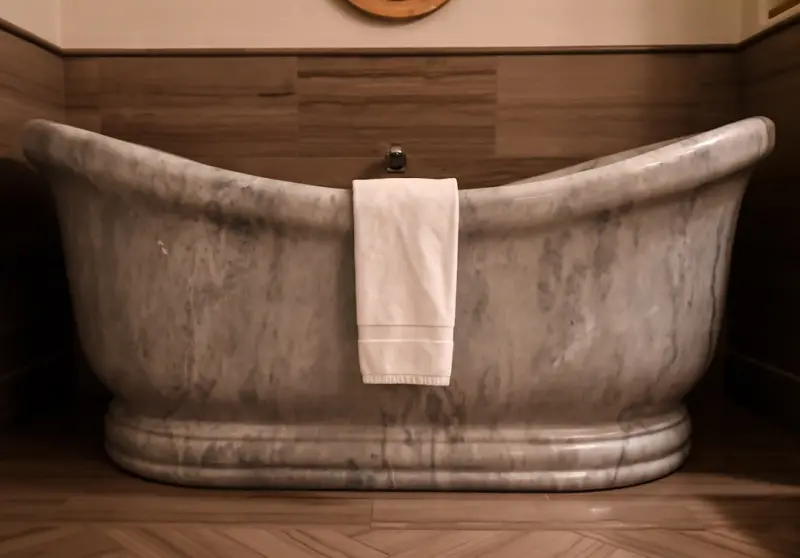
Why a Fresh Finish on Your Tub Beats a Full‑Scale Remodel
When I first started tearing out old fixtures in my early handyman days, the instinct was always to rip, replace, and move on. But after a decade of watching homeowners wrestle with demolition dust, budget blow‑outs, and the lingering regret of a “new” tub that looks cheap after six months, I learned there’s a quieter, smarter way to revive a bathroom: bathtub refinishing.
The hidden environmental cost of a brand‑new tub
Most people assume a shiny porcelain tub is a neutral purchase, but the supply chain tells a different story. Manufacturing a single acrylic‑coated bathtub consumes roughly 1,500 kg of raw materials and generates upwards of 800 kg of CO₂ before it even reaches a showroom. Add the energy needed to transport, install, and later dispose of the old unit, and the carbon footprint balloons dramatically.
By contrast, a professional refinishing job uses a thin (< 2 mm) coating of high‑performance epoxy or urethane. The material weight is measured in ounces, not kilograms, and the entire process can be completed in a single day with minimal waste. The result? A reduction in embodied carbon of over 90 percent compared with a full tub replacement.
Healthier homes start at the surface
Beyond the climate angle, the finish you choose can directly affect indoor air quality. Traditional reglazing products often contain high levels of volatile organic compounds (VOCs) that off‑gasp for weeks, especially in a space as humid as a bathroom. Modern low‑VOC, water‑based formulations not only meet stringent EPA standards, they also resist mold and mildew better than many older acrylic coatings.
In my own home, after switching to a low‑VOC, antimicrobial finish, I noticed a tangible drop in the musty smell that used to linger after showers. It’s a subtle win, but one that adds up for families with allergies or asthma.
Cost‑benefit analysis: The ROI of a resurfaced tub
Let’s talk dollars. A mid‑range acrylic tub can set you back anywhere from $2,000 to $4,500, not including labor, demolition, and disposal fees. Refinishing, on the other hand, typically falls between $300 and $600. The upfront savings are obvious, but the long‑term return is where the magic happens:
- Extended lifespan: A quality refinishing coat can protect the tub for 10‑15 years, effectively delaying the need for a full replacement.
- Increased resale value: Homebuyers often rank bathroom condition as a top priority. A sparkling, like‑new tub can boost perceived value without the cost of a remodel.
- Lower maintenance: Modern finishes are smoother and less porous, meaning they’re easier to clean and less likely to harbor grime.
If you run the numbers, the net present value of a refinished tub often outperforms a brand‑new installation within just a few years, especially when you factor in the avoided disposal fees and the environmental premium many buyers now demand.
Choosing the right contractor—what to look for
Not every refinishing service is created equal. Here’s my checklist, honed from years of vetting crews:
- Certification and safety compliance. Look for OSHA‑trained technicians and a clear material safety data sheet (MSDS) for the coating.
- Surface preparation protocol. Proper sanding, cleaning, and moisture testing are non‑negotiable; shortcuts here lead to premature chipping.
- Warranty coverage. A reputable shop will back their work with at least a five‑year warranty, covering both finish integrity and adhesion.
- Reference projects. Ask for before‑and‑after photos of similar tubs—preferably with similar materials (porcelain, acrylic, or fiberglass).
When I’m unsure, I cross‑reference a contractor’s claims with industry standards and, when possible, visit a live job site. Seeing the prep work in action tells you more than any brochure.
DIY refinishing: The allure and the pitfalls
There’s a thriving market for “do‑it‑yourself” bathtub kits. They promise a weekend transformation for a fraction of the professional price. While the kits can be tempting, a few hard‑won lessons have taught me why the DIY route often backfires:
- Surface prep is labor‑intensive. Skipping the thorough etching step leads to bubbling and delamination.
- Ventilation is critical. Low‑VOC products are safer, but many kits still require strong fume extraction, something most homeowners lack.
- Uniformity of finish. Achieving a glossy, even coat without brush marks takes a sprayer—an investment most DIYers don’t have.
If you’re a seasoned craftsman with a sprayer, proper respirator, and a controlled environment, DIY can work. For the majority of homeowners, the risk of a botched job—requiring a full replacement anyway—outweighs the modest savings.
Integrating refinishing into a broader sustainability strategy
Bathtub refinishing is a single piece of a larger puzzle: the quest for a low‑impact home. Pair it with other upgrades, and you start to see a compound effect. For example, after a successful refinishing, I recommended my client upgrade their fixtures to smart, leak‑detecting valves. The combination not only reduced water waste but also gave them real‑time data on usage patterns, empowering behavior change.
Another client paired a refinished tub with rain‑garden landscaping to capture runoff from the bathroom’s exhaust vent, feeding a small indoor plant wall that improved humidity regulation. It’s a bit of a stretch, but it illustrates how a single surface upgrade can catalyze creative, eco‑centric thinking throughout a home.
Future‑proofing your bathroom without the headache
One of the biggest fears homeowners have is that a “refinished” tub will look dated in a few years. Modern coatings come in a palette of matte, satin, and high‑gloss finishes, many of which mimic the look of high‑end stone or even brushed metal. The key is to choose a neutral tone that ages gracefully—think soft greys, muted blues, or classic whites.
In addition, many refinishing systems now incorporate nano‑ceramic particles that enhance scratch resistance and UV stability. This means the sheen you see today will stay true even after years of exposure to harsh cleaning chemicals.
Preparing your bathroom for the process
Even though refinishing is less invasive than a full remodel, there’s still prep work on the homeowner’s side:
- Clear the area. Remove all toiletries, shower curtains, and any removable hardware.
- Seal off ventilation. Close doors, cover vents, and set up fans to direct fumes outward.
- Protect the flooring. Lay drop cloths or plastic sheeting to catch any drips.
- Plan for downtime. The tub will be unusable for 24‑48 hours while the coating cures.
Following these steps not only protects your home but also ensures the contractor can work efficiently, keeping the project on schedule and within budget.
Case study: From cracked to flawless in 48 hours
Last month I consulted for a boutique hotel that had a flagship suite with a vintage claw‑foot tub showing hairline cracks. The owner wanted to preserve the historic charm while eliminating the unsightly fissures. We opted for a high‑performance, low‑VOC epoxy system.
The process unfolded as follows:
- Day 1 – Assessment & prep: The old glaze was removed with a non‑abrasive chemical stripper, followed by a meticulous sand‑blasting to expose the substrate.
- Day 1 – Coating: Two coats of epoxy were sprayed, each cured for four hours.
- Day 2 – Topcoat: A satin, nano‑ceramic clear coat was applied, delivering both shine and durability.
- Day 3 – Re‑installation: After a 24‑hour cure, the tub was re‑filled, and guests returned to a pristine surface that looked brand‑new without losing the antique silhouette.
The hotel reported a 15 % increase in suite bookings within a month, attributing the boost to the refreshed bathroom aesthetics. More importantly, the owner saved upwards of $3,000 compared to a full replacement, and the project generated zero landfill waste.
Bottom line: A low‑risk, high‑impact upgrade
If you’re weighing the options between a costly remodel and a quick fix, think of bathtub refinishing as the “energy‑efficient light bulb” of bathroom upgrades. It delivers measurable performance gains—lower carbon footprint, improved indoor air quality, and a fresh visual appeal—without the disruption of demolition.
In my experience, the smartest homeowners treat refinishing not as a stop‑gap but as a strategic decision in a broader sustainability roadmap. It’s an investment that pays dividends in comfort, health, and resale value, all while keeping the planet a little greener.

Tom Ferguson is a Canadian freelance writer with a passion for storytelling, current events, and thoughtful commentary. Drawing on years of writing experience, he shares engaging insights on a wide range of topics, bringing a uniquely Canadian perspective to his work.
Related Posts
Why a Fresh Bathtub Finish Is the Secret Weapon for Modern Homeowners
A fresh bathtub finish offers a cost‑effective, eco‑friendly upgrade that elevates bathroom aest... Read More

The Untapped Financial Upside of Bathtub Refinishing
Bathtub refinishing offers a low‑cost, quick‑turnaround alternative to replacement, delivering s... Read More

The Hidden Environmental Cost of Cheap Bathtub Refinishing (And How to Avoid It)
A deep dive into why budget bathtub refinishing often hides hazardous VOCs and short‑term durabili... Read More
Top Posts

The Role of Roofing in Sustainable Home Restoration
Sustainable roofing plays a critical role in home restoration, energy efficiency, and environmental responsibility. Learn how to prioritize eco-friendly roofing...Read More
Adaptive Tile Systems: Merging Aesthetics, Data, and Durability
Tiles are evolving from static décor to intelligent platforms. This post reveals how modular installation, embedded sensors, and innovative materials turn floo...Read More

Solar Energy for Everyone: Community Power, Storage, and the Future of Clean Living
Explore how community solar, home battery storage, and agrivoltaics are democratizing clean energy, offering practical steps for households and neighborhoods to...Read More

Beyond the Thermostat: Adaptive Climate Zones Redefine HVAC Comfort
Adaptive climate zoning breaks the one‑size‑fits‑all approach to HVAC, using smart sensors and AI to deliver zone‑specific heating and cooling, boost en...Read More
0 Comments
Post Comment
You will need to Login or Register to comment on this post!