

From Pipes to Pixels: How IoT is Transforming Everyday Plumbing
When I first hung my badge as a journeyman plumber, the only “smart” thing I knew about a pipe was whether it was copper or PEX. Fast‑forward a couple of decades, and the same pipe can now talk to your phone, flag a leak before you even notice a drip, and even suggest the perfect water‑saving schedule based on your family’s habits. This isn’t a sci‑fi fantasy—it's the reality unfolding in basements, bathrooms, and kitchens across the country.
Why the Old “Turn the Faucet, Hope for the Best” Model Is Dead
Traditional plumbing relied on a reactive mindset: you noticed a leak, called a plumber, and hoped the fix would hold for another few years. That model was born out of necessity—sensors were expensive, data was scarce, and most homeowners simply didn’t have the time or expertise to monitor their own water systems.
Today, the cost of a basic flow sensor has dropped below the price of a premium faucet. Coupled with cloud‑based analytics, these tiny devices can detect anomalies in real‑time, differentiate between a slow‑drip leak and a sudden pipe burst, and even predict pipe fatigue before a failure occurs. The shift from “reactive repair” to “proactive maintenance” is the most profound change I’ve witnessed in my career.
Key IoT Components That Every Modern Plumbing System Needs
- Flow & Pressure Sensors: These devices sit on main lines and individual fixtures, constantly measuring water velocity and pressure. Sudden spikes or drops trigger alerts that appear on your smartphone or home hub.
- Smart Valves: Motorized shut‑off valves can isolate a problematic zone with a single tap on an app, preventing water damage and saving gallons.
- Water Quality Monitors: Real‑time data on pH, hardness, and contaminants helps you maintain optimal water quality and decide when to service filters.
- Integration Hubs: Central units that aggregate sensor data, run predictive algorithms, and communicate with other smart home devices—think voice assistants, energy managers, and even your home security system.
Predictive Maintenance: The New Gold Standard
Imagine receiving a notification that your upstairs bathroom’s shower head is using 15% more water than usual. The app explains that mineral buildup is likely causing the inefficiency and offers a one‑click schedule for a professional cleaning. That’s predictive maintenance in action.
Behind the scenes, machine learning models compare current flow patterns against historical baselines. When the variance exceeds a threshold, the system flags the fixture. Over time, these models become more accurate, learning the unique “water fingerprint” of each home. The result? Fewer emergencies, lower water bills, and a longer lifespan for your plumbing infrastructure.
Case Study: Turning a Leaky Basement into a Model of Efficiency
Last spring, a client of mine called about a persistent damp spot in his basement. Instead of the usual “dig the concrete and replace the pipe” approach, I installed a smart sensor suite that monitored humidity, pressure, and flow across the entire lower level.
Within hours, the system identified a slow‑drip leak behind a wall that had been seeping for months—something even the most thorough visual inspection missed. The smart valve automatically shut off the affected branch, preventing any further water damage. The client not only avoided a costly renovation but also saved an estimated 2,200 gallons of water annually.
This incident underscored two vital lessons: first, the power of data to uncover hidden issues; second, the importance of integrating plumbing with the broader smart‑home ecosystem.
Integrating Plumbing with Home Security and Energy Management
Modern homes are becoming interconnected ecosystems where security, energy, and comfort systems talk to each other. A water leak isn’t just a plumbing issue—it can be a security risk (think flood damage) and an energy concern (wasted hot water). By linking smart valves to your home security panel, a leak can trigger a “water intrusion” alarm, prompting cameras to record the incident and notifying emergency services if needed.
Similarly, pairing water usage data with your intelligent alarm system allows the building’s energy manager to adjust water heating schedules, ensuring hot water is available when needed without overheating the boiler. The result is a harmonious balance between safety, comfort, and efficiency.
Eco‑Friendly Plumbing: Beyond Simple Conservation
While IoT helps you spot leaks, it also empowers you to make smarter decisions about water sourcing and reuse. Grey‑water recirculation systems, once the domain of large commercial projects, are now available in modular kits that integrate with smart controllers. These systems can automatically divert shower and sink runoff to irrigate landscaping, adjusting flow based on weather forecasts pulled from your home’s climate API.
For homes in water‑restricted regions, a connected system can alert you when your municipal allotment is nearing its limit, suggesting low‑flow fixtures or temporarily suspending non‑essential irrigation. The data-driven approach turns water conservation from a habit into a precise, actionable strategy.
Choosing the Right Materials for a Connected Future
Not all pipes are created equal when it comes to sensor integration. Copper, while durable, can interfere with wireless signals due to its conductivity. PEX, on the other hand, offers flexibility and is more sensor‑friendly, allowing easier installation of inline flow meters.
When retrofitting older homes, I recommend a hybrid approach: retain legacy copper in main lines for structural integrity, but replace branch lines with PEX that includes pre‑installed sensor ports. This method provides the best of both worlds—strength where it matters and connectivity where it counts.
Future Trends: Voice‑Controlled Showers and Automated Leak Response
Voice assistants are already managing lights and thermostats; the next logical step is bathroom fixtures. Imagine telling your voice assistant, “Set the shower to 104 degrees and start a 10‑minute timer,” and having the system automatically adjust water temperature, flow rate, and even pause the flow if it detects an unexpected temperature spike.
On the leak response front, research is progressing on self‑sealing pipe segments that, once a breach is detected, release a polymer that expands to seal the hole temporarily. Coupled with a smart valve that isolates the segment, homeowners could gain precious minutes—sometimes hours—before a plumber arrives, dramatically reducing damage.
Implementing IoT Plumbing in Your Home: A Step‑by‑Step Guide
- Assess Your Current System: Identify main water lines, key fixtures, and any existing smart devices.
- Choose a Hub: Select a central hub compatible with your preferred ecosystem (Apple HomeKit, Google Home, or a dedicated plumbing hub).
- Install Sensors: Place flow and pressure sensors on the main supply line and at high‑use fixtures (kitchen, master bathroom, laundry).
- Add Smart Valves: Install motorized shut‑off valves on each branch to allow zone isolation.
- Integrate Water Quality Monitors: Position these near your water heater or filtration system for continuous testing.
- Configure Alerts: Set thresholds for leaks, pressure drops, and quality deviations. Choose notification channels (phone, email, voice assistant).
- Link to Other Systems: Connect your plumbing hub to security, energy, and climate controls for holistic management.
- Test and Calibrate: Run a series of flow tests to fine‑tune sensor accuracy and valve response times.
- Monitor and Optimize: Review monthly reports, adjust thresholds, and schedule preventative maintenance based on predictive insights.
Common Misconceptions About Smart Plumbing
- “It’s too expensive.” While a full‑scale rollout can be an investment, many homeowners start small—installing a single smart valve at the water main can provide immediate leak protection for a fraction of the cost of a full remodel.
- “It’s complicated to use.” Modern apps are designed for non‑technical users. Most systems offer one‑click automation and intuitive dashboards that display water usage in easy‑to‑understand graphs.
- “Data privacy is a risk.” Reputable manufacturers employ end‑to‑end encryption and local processing options, ensuring your water usage data stays within your home network unless you opt into cloud services.
Bottom Line: Plumbing Is No Longer a Silent, Isolated Trade
Our industry has always been about moving water efficiently and reliably. Today, we’re adding a new layer—information. By embracing IoT, we transform pipes from passive conduits into active participants in home health, safety, and sustainability. Whether you’re a homeowner looking to protect your investment or a professional plumber eager to offer cutting‑edge services, the time to get plugged into smart plumbing is now.

William Roy is a freelance writer originally from Montreal who moved to Ottawa with his wife of 50 years to be closer to their grandkids. Alongside his writing, William has a passion for fishing.
Related Posts
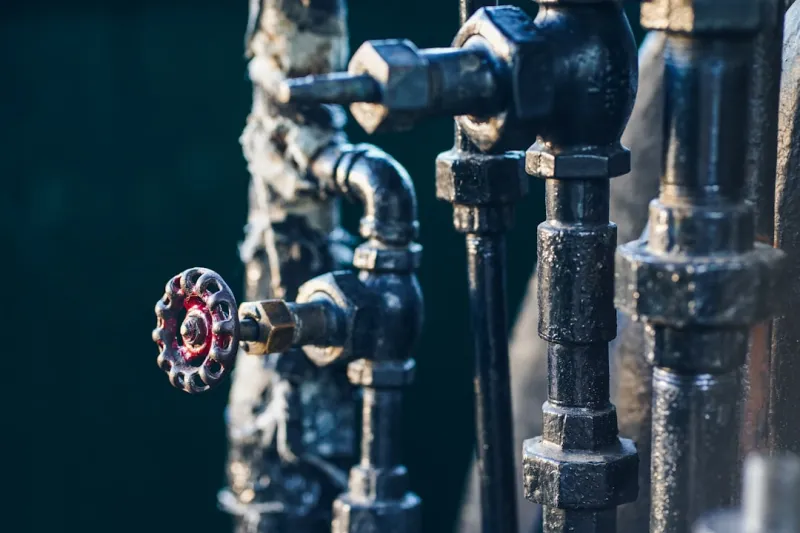
The Water-Saving Revolution: Sustainable Plumbing Solutions for a Greener Future
Learn about the latest sustainable plumbing solutions to conserve water and promote a greener future... Read More

Silent Water Intruders: Mastering Hidden Leak Detection for a Healthy Home
Learn how to detect invisible leaks before they cause damage. From acoustic listening devices to sma... Read More
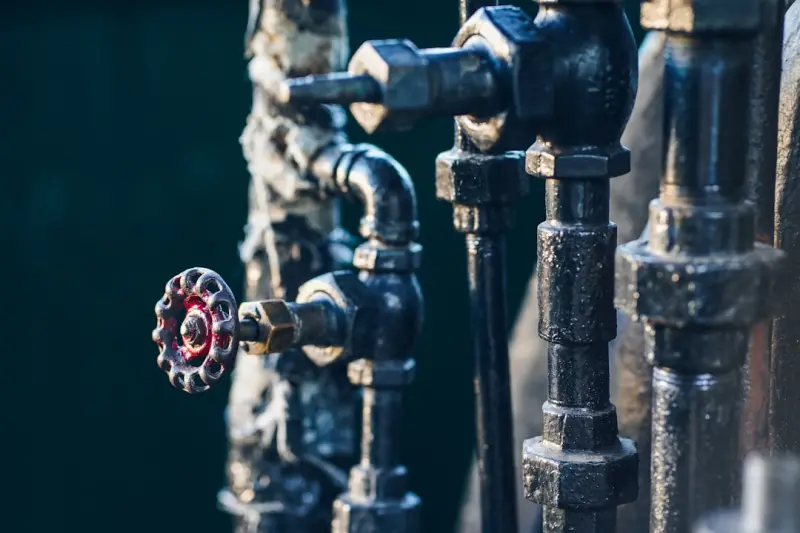
Plumbing Meets Tech: How IoT Is Redefining Home Water Systems
A deep dive into how IoT is turning everyday plumbing into an intelligent, data‑driven system—co... Read More
Top Posts

Green Carpet Cleaning: Turning Sustainability Into Facility Performance
Discover the strategic advantages of green carpet cleaning, from water and energy savings to improved employee health and ESG performance, with a practical 90â€...Read More

Eco‑Friendly Drywall: Reducing the Carbon Footprint One Wall at a Time
A deep dive into eco‑friendly drywall practices, from recycled gypsum and low‑VOC compounds to moisture‑resistant panels and design for disassembly, showi...Read More

Revamping Your Bathroom: A Comprehensive Guide to Renovations
Revamp your bathroom with our comprehensive guide, covering planning, design, materials, and more. Learn how to create a stunning and functional space that meet...Read More

Why a Well‑Tended Lawn Is Your Company’s Secret Weapon for Employee Happiness
A thoughtful lawn can lower stress, improve morale, and increase productivity. Learn how strategic placement, sustainable maintenance, and employee engagement t...Read More
0 Comments
Post Comment
You will need to Login or Register to comment on this post!