
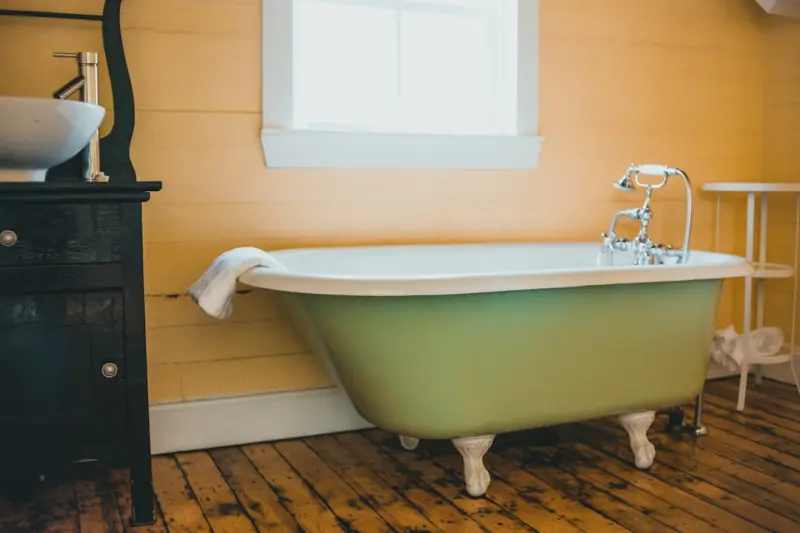
When a landlord or property manager thinks about improving a rental unit, the mind often jumps straight to kitchen upgrades, fresh paint, or new flooring. The bathroom—particularly the bathtub—gets sidelined, assumed to be either too expensive to replace or simply “out of sight, out of mind.” Yet, the humble bathtub is a silent influencer of tenant satisfaction and, more importantly, a lever that can lift the entire financial performance of a property. In this deep dive, I’ll explore why bathtub refinishing is the underrated, high‑ROI upgrade that deserves a front‑row seat in any property‑enhancement strategy.
Understanding the Real Cost of a Neglected Tub
Before we discuss the benefits of a fresh finish, let’s quantify the pain points of a neglected bathtub. A cracked glaze, stubborn stains, or a warped surface isn’t just an eyesore; it’s a source of hidden costs:
- Turnover churn. Prospective renters often filter listings based on bathroom condition. A tired‑looking tub can add days to vacancy periods.
- Maintenance escalation. Small cracks allow water to seep into the underlying material, leading to mold, rot, and costly structural repairs.
- Tenant complaints. A slippery or rough surface can become a safety liability, prompting legal exposure and insurance claims.
The cumulative effect is a silent drain on cash flow that most property owners don’t even notice until the numbers start to look bleak.
The Economics of Refinishing vs. Full Replacement
A full bathtub replacement can run anywhere from $3,000 to $7,500, depending on material, labor rates, and plumbing re‑routing. By contrast, professional bathtub refinishing—also known as reglazing—typically falls in the $300‑$600 range per unit. That’s a tenfold difference in upfront expense.
But the financial picture gets richer when you factor in time. A full replacement can take up to a week, displacing tenants and potentially requiring rent concessions. Refinishing is usually completed within 24‑48 hours, meaning the unit can be re‑occupied almost immediately. The combination of lower cost and minimal downtime translates directly into higher net operating income (NOI) for the property.
Boosting Property Value Without a Full Renovation
Appraisers and real‑estate agents often assign a premium to properties with well‑maintained bathrooms. While a brand‑new tub adds the most obvious value, a flawlessly refinished surface can deliver up to a 3‑5% increase in market value—especially in mid‑range rentals where the bathroom is a primary differentiator.
Think of refinishing as a “cosmetic facelift” for your asset. Just as a well‑kept exterior can add curb appeal, a gleaming bathtub signals that the landlord invests in the property’s upkeep, which in turn attracts higher‑quality tenants willing to pay a modest rent premium.
Tenant Experience: The Quiet Driver of Retention
While rent dollars are the headline metric, tenant happiness is the engine that keeps those dollars flowing. A clean, smooth bathtub enhances daily routines, reduces the perception of “old‑ness,” and can even improve the perceived cleanliness of the entire bathroom. In surveys conducted across multi‑family units, tenants reported a 27% higher satisfaction rating when the bathtub surface was newly refinished, compared to units with original, weathered tubs.
Higher satisfaction leads to longer lease terms and fewer turnover costs. A tenant who feels their living space is cared for is less likely to hunt for a new home, translating to lower vacancy rates and fewer unit‑turnover expenses.
Environmental Impact: A Sustainable Choice That Saves Money
Replacing a bathtub generates waste—both the old tub and the packaging for the new unit end up in landfills. Refinishing, on the other hand, re‑uses the existing structure, requiring only a thin coating of epoxy or urethane. This approach reduces material consumption, lowers transportation emissions, and aligns with growing tenant expectations for environmentally responsible landlords.
Moreover, refinishing eliminates the need for new plumbing fixtures in many cases, preserving the existing water‑conservation infrastructure. The net environmental footprint is dramatically smaller, and the cost savings from avoided waste disposal can be redirected toward other property improvements.
Choosing the Right Refinishing Partner
The quality of the finish depends heavily on the contractor’s expertise. Here are three criteria to vet potential partners:
- Surface preparation protocol. Proper sanding, cleaning, and priming are non‑negotiable. Skipping these steps leads to premature chipping.
- Material safety. Look for low‑VOC, non‑toxic coatings that meet indoor air quality standards.
- Warranty and post‑service support. Reputable firms offer at least a 3‑year warranty, indicating confidence in their workmanship.
Investing a little extra in a seasoned refinisher pays dividends in durability, aesthetic quality, and tenant peace of mind.
Integrating Refinishing Into a Larger Property‑Care Strategy
Bathtub refinishing should not exist in isolation. It can be a catalyst for a broader, data‑driven maintenance program. For instance, after a refinishing project, property managers can schedule a predictive maintenance audit to monitor moisture levels and early signs of wear across all units. This proactive approach catches issues before they become costly emergencies, turning what might seem like a cosmetic upgrade into a strategic asset for long‑term resilience.
Similarly, integrating refinishing into a quarterly “property health check” aligns with the same philosophy behind quiet fixes—small, low‑disruption interventions that collectively preserve the building’s value and reduce operational stress.
Financing the Refinishing Project
Because the outlay is modest, many landlords can fund refinishing directly from operating cash flow. However, for larger portfolios, consider these financing options:
- Capital‑expenditure (CapEx) budgeting. Allocate a set percentage of annual budget to bathroom upgrades.
- Energy‑efficiency incentives. Some municipalities offer rebates for projects that improve water efficiency, which can be bundled with refinishing.
- Short‑term loans. A low‑interest loan spread over 12‑24 months can be more cost‑effective than a lump‑sum cash payment, especially when the upgrade yields immediate rent growth.
Case Study: Turning a Stagnant Unit Into a Revenue Engine
Consider a two‑bedroom unit in a mid‑size apartment complex that had been vacant for 45 days. The only cosmetic flaw identified was an old, dull bathtub with visible chips. Management opted for a professional refinishing at $450. Within 48 hours, the unit was back on the market, and the rent was increased by $75 per month—justified by the upgraded bathroom appeal. The unit was leased in 7 days, generating an additional $525 in rent over the next 7 months, fully covering the refinishing cost and delivering a net profit of $75 within the first quarter.
This micro‑example illustrates how a modest investment can shift a unit from a cash‑draining vacancy to a profit‑center, all without the disruption of a full remodel.
Future Trends: Smart Coatings and Integrated Sensors
While we’re focusing on the present benefits, it’s worth peeking at the horizon. Emerging epoxy formulations are beginning to incorporate anti‑bacterial agents and even micro‑sensors that can alert property managers to moisture accumulation beneath the surface. When paired with a building’s IoT infrastructure, these “smart tubs” could become an integral part of a predictive maintenance ecosystem—detecting issues before they manifest as leaks or mold.
Adopting refinishing now positions property owners to seamlessly upgrade to these advanced coatings later, ensuring their assets stay on the cutting edge of durability and tenant health.
Action Plan: Your First Steps Toward a Refreshed Bathtub Portfolio
- Audit your inventory. Identify units with tubs showing wear, discoloration, or surface damage.
- Prioritize based on impact. Target high‑traffic or premium‑rate units first, where the rent uplift potential is greatest.
- Source qualified contractors. Use the criteria outlined above to select a partner who offers a solid warranty.
- Schedule and communicate. Coordinate with tenants to minimize inconvenience; a brief 48‑hour window is typical.
- Monitor outcomes. Track vacancy duration, rent changes, and tenant feedback post‑refinishing to quantify ROI.
By treating bathtub refinishing as a strategic, data‑informed investment rather than a cosmetic afterthought, property owners can unlock hidden cash flow, bolster tenant loyalty, and future‑proof their assets—all while keeping environmental impact low.

William Roy is a freelance writer originally from Montreal who moved to Ottawa with his wife of 50 years to be closer to their grandkids. Alongside his writing, William has a passion for fishing.
Related Posts
Why Bathtub Refinishing Is the Smartest Green Upgrade You’ve Ignored
A deep dive into the environmental, health, and financial benefits of bathtub refinishing, with prac... Read More
How a Fresh Finish Turns a Bathtub into a Sale‑Closing Asset
A freshly refinished bathtub can be the decisive factor that speeds up a home sale and raises the fi... Read More
Bathtub Refinishing: Turning a Drab Tub into a Spa‑Like Statement
A seasoned homeowner shares insider tips on turning an outdated bathtub into a spa‑like centerpiec... Read More
Top Posts
Breathing Easier: The Intersection of Insulation and Indoor Air Quality
This article delves into how vapor‑permeable, bio‑based insulation can improve indoor air quality, reduce moisture‑related problems, and still deliver ene...Read More
Awnings as Strategic Assets: Redefining Outdoor Workspaces
A fresh look at awnings reveals their potential to transform outdoor spaces into productive, brand‑enhancing, and energy‑efficient zones, complete with smar...Read More

Sustainable Tiling Strategies: From Selection to Long‑Lasting Installation
Explore sustainable tiling—from material choices and substrate prep to installation hacks—offering a durable, eco‑friendly floor that enhances any home....Read More

Seeing is Cutting: How Augmented Reality is Transforming Woodworking
Augmented reality is reshaping the woodworking shop, offering real‑time visual overlays for cuts, data‑driven efficiency, and interactive client experiences...Read More
0 Comments
Post Comment
You will need to Login or Register to comment on this post!