
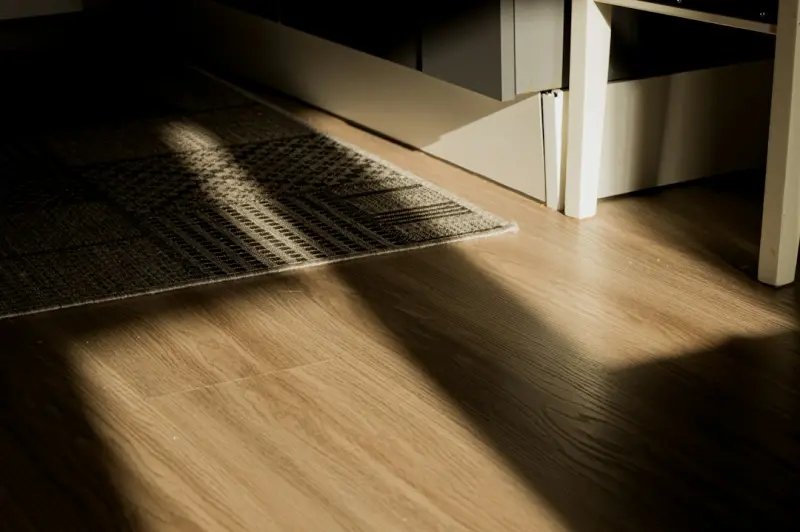
Why Sustainable Carpet Cleaning Is the New Competitive Edge for Modern Offices
When you walk into a sleek, glass‑walled conference room, the first thing you notice is often the polished steel or the curated art. The carpet beneath your feet, however, silently influences perception, productivity, and even the planet. In an era where sustainability is no longer a buzzword but a business imperative, the way you clean your carpet can become a strategic advantage.
Beyond Spot‑Removal: The Hidden Impacts of Traditional Carpet Care
Most facilities managers think of carpet cleaning as a routine chore: vacuum, shampoo, rinse, repeat. This approach, while functional, overlooks three critical dimensions:
- Indoor Air Quality (IAQ): Conventional chemicals can release volatile organic compounds (VOCs) that linger in the air, affecting employee health and cognitive performance.
- Lifecycle Emissions: Hot‑water extraction and steam cleaning consume significant energy, inflating a building’s carbon footprint.
- Brand Perception: In a market where clients and talent scout for eco‑friendly workplaces, visible green practices—even underfoot—send a powerful message.
Ignoring these factors means missing out on measurable benefits. The good news? A shift toward sustainable carpet cleaning can address each of these pain points simultaneously.
What Makes a Carpet Cleaning Program “Sustainable”?
To qualify as truly sustainable, a carpet cleaning regimen should satisfy three pillars: environmental stewardship, health safety, and operational efficiency. Here’s how to evaluate each pillar:
- Low‑Impact Cleaning Agents: Opt for biodegradable, plant‑based detergents that are certified by organizations such as Green Seal or Ecocert. These solutions break down quickly, leaving negligible residues.
- Water & Energy Conservation: Look for equipment that recirculates water, uses low‑temperature steam, or employs “dry‑clean” powder technologies that require minimal moisture.
- Certified Service Providers: Partner with vendors who hold ISO 14001 (environmental management) or LEED‑related credentials. Their processes are audited, ensuring accountability.
- Data‑Driven Scheduling: Instead of cleaning on a fixed calendar, use sensor data to determine when a carpet truly needs attention. This reduces unnecessary cycles and extends carpet life.
From Sensors to Strategy: The Role of IoT in Carpet Care
While many assume that IoT belongs in lighting or HVAC, the same technology is transforming floor maintenance. Smart moisture and particulate sensors embedded in carpet tiles can report:
- Accumulated dirt levels (via optical particle detection)
- Moisture intrusion after spills
- Temperature fluctuations that affect fiber integrity
When integrated with a building management system (BMS), these data points trigger automated work orders, ensuring that cleaning crews are dispatched only when needed. This not only cuts labor costs but also aligns with AI and robotics reshaping general contracting—a trend that’s spilling over into facilities management.
Quantifying the Business Benefits
Below is a snapshot of the ROI you can expect when transitioning to a green carpet cleaning model:
| Metric | Traditional Approach | Sustainable Approach |
|---|---|---|
| Average annual cleaning cost | $12,000 | $9,500 (20% reduction) |
| Energy consumption per cleaning cycle | 5,500 kWh | 2,800 kWh (49% reduction) |
| Carbon emissions per year | 2.8 t CO₂e | 1.2 t CO₂e (57% reduction) |
| Employee sick days linked to IAQ | 12 days | 8 days (33% reduction) |
| Client satisfaction score (post‑visit) | 78/100 | 86/100 (10% uplift) |
These numbers are not abstract; they translate into tangible outcomes: lower utility bills, a healthier workforce, and a stronger market narrative.
Integrating Green Carpet Care Into Renovation Projects
Renovations are the perfect moment to embed sustainable carpet practices. Rather than treating cleaning as an after‑thought, incorporate it into the renovation readiness checklist. Here’s a step‑by‑step guide:
- Pre‑Renovation Audit: Map high‑traffic zones, assess existing carpet condition, and identify areas prone to spills.
- Specify Green Materials: Choose low‑VOC adhesives and floor underlayments that complement eco‑cleaning agents.
- Schedule Cleaning Milestones: Align deep‑clean cycles with construction phases to avoid re‑contamination.
- Post‑Construction Validation: Conduct IAQ testing and visual inspections to certify that the space meets health standards before occupancy.
By making carpet care a design consideration, you protect your investment, reduce waste, and demonstrate a holistic sustainability commitment.
Case Study: A Mid‑Size Tech Firm’s Green Carpet Turnaround
Background: A 150‑employee software development company located in a historic office building was experiencing high employee turnover, citing “stale indoor air” and “unpleasant carpet odors.” Their annual carpet cleaning budget was $13,000, but the service provider used conventional chemicals and hot‑water extraction.
Intervention: The facilities team partnered with a certified green cleaning vendor that introduced:
- Plant‑based surfactants certified by Green Seal
- Low‑temperature steam technology that reduced water usage by 70%
- IoT moisture sensors installed in three carpet zones
- A data‑driven cleaning schedule that cut cleaning frequency from 12 to 8 cycles per year
Results (12‑month period):
- Cleaning cost dropped to $9,200 (29% savings)
- Energy consumption for cleaning fell by 45%
- Employee-reported IAQ satisfaction increased from 62% to 89%
- Retention rates improved by 8%, attributed in part to the enhanced workspace experience
- External audit awarded the office a “Green Workplace” badge, which the firm leveraged in marketing materials
This case illustrates how a strategic, sustainability‑first approach to carpet cleaning can ripple across cost, health, and brand metrics.
Choosing the Right Green Cleaning Partner
Not all vendors are created equal. Use the following checklist when vetting providers:
- Certification Portfolio: Verify ISO 14001, LEED, Green Seal, or equivalent.
- Transparent Ingredient Disclosure: Request safety data sheets (SDS) for all cleaning agents.
- Equipment Specifications: Inquire about water reclamation rates and energy consumption per cycle.
- Data Integration Capability: Can they feed sensor alerts into your existing BMS or CMMS?
- References in Similar Industries: Look for success stories in office, hospitality, or retail sectors.
Remember, the cheapest quote often masks hidden costs—additional chemical fees, higher water bills, and premature carpet wear.
Future Trends: From Green to Circular Carpet Care
The sustainability journey doesn’t stop at cleaning. Emerging concepts include:
- Carpet‑as‑a‑Service (CaaS): Leasing carpet tiles that are returned, refurbished, and redeployed, reducing landfill waste.
- Bio‑Enzymatic Deodorization: Using enzymes to break down organic stains, eliminating the need for harsh chemicals.
- Closed‑Loop Water Systems: Capturing runoff from cleaning processes for reuse in irrigation or cooling towers.
Staying ahead of these innovations positions your organization as a sustainability leader, not a follower.
Action Plan: Implementing Sustainable Carpet Cleaning in 90 Days
Ready to make the switch? Follow this accelerated roadmap:
- Week 1–2: Baseline Assessment
- Audit current cleaning contracts and chemical inventories.
- Map high‑traffic zones and install a pilot sensor in one area.
- Week 3–4: Vendor Shortlist
- Issue an RFP emphasizing green certifications and data integration.
- Score proposals using the checklist above.
- Week 5–6: Pilot Deployment
- Run a three‑month pilot with the selected vendor on one floor.
- Track IAQ metrics, water usage, and cost.
- Week 7–8: Review & Scale
- Analyze pilot data, adjust cleaning frequency, and refine sensor thresholds.
- Roll out the program building‑wide, incorporating lessons learned.
- Week 9–12: Communicate Success
- Publish an internal sustainability report.
- Highlight the initiative in external marketing—client decks, recruitment material, and social media.
By the end of the quarter, you’ll have measurable cost savings, a healthier workplace, and a compelling story that resonates with stakeholders.
Conclusion: The Bottom Line on Green Carpet Care
Carpet cleaning is no longer a background task; it’s a front‑line lever for sustainability, health, and brand differentiation. By embracing low‑impact chemicals, water‑wise equipment, sensor‑driven scheduling, and vetted green vendors, you turn a routine expense into a strategic asset. The payoff is multi‑fold: reduced operating costs, lower carbon emissions, happier employees, and a market narrative that tells the world you’re serious about the planet.
Take the first step today. Audit, partner, and measure—then watch your carpet, your people, and your reputation flourish.

William Roy is a freelance writer originally from Montreal who moved to Ottawa with his wife of 50 years to be closer to their grandkids. Alongside his writing, William has a passion for fishing.
Related Posts

Reviving Your Home, One Stain at a Time: The Power of Professional Carpet Cleaning
Dirty carpets can harbor allergens, dust mites, and bacteria, exacerbating respiratory issues and cr... Read More
Why Your Carpet Deserves a Tech‑Powered Deep Clean
A fresh look at carpet care that combines fiber science, natural cleaning solutions, and simple sens... Read More
Green Carpet Cleaning: Turning Sustainability Into Facility Performance
Discover the strategic advantages of green carpet cleaning, from water and energy savings to improve... Read More
Top Posts

Subscription Handyman Services: Turning One‑Off Repairs into Ongoing Home Care
Handyman work is shifting from reactive fixes to subscription models, offering homeowners continuous maintenance, predictable costs, and proactive issue detecti...Read More
The Evolution of Flooring: How Sustainable Solutions Are Revolutionizing the Industry
The flooring industry is undergoing a significant transformation, with sustainable solutions leading the way. Learn about the evolution of flooring and eco-frie...Read More

Drywall Mastery: From Planning to Polished Perfection
A seasoned DIY pro shares step‑by‑step drywall secrets, covering eco‑friendly boards, acoustic options, texture trends, and smart‑home integration for a...Read More
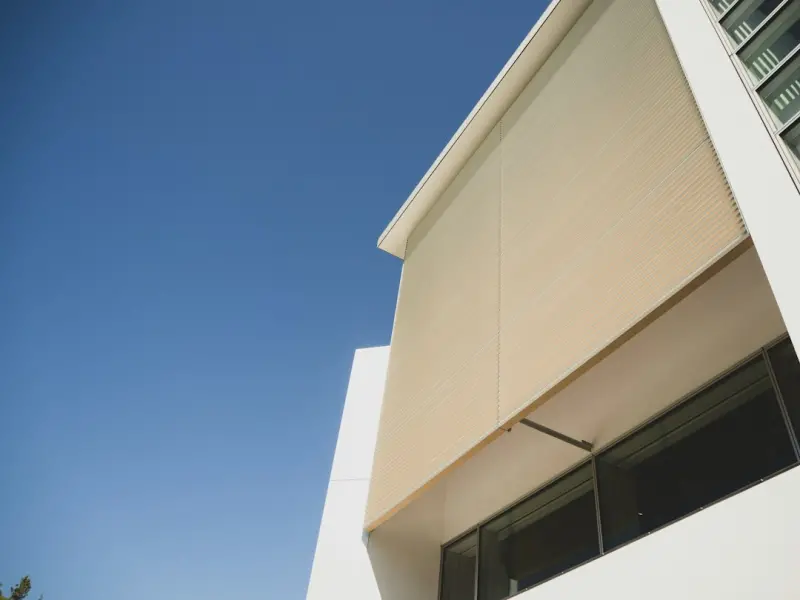
Awnings as Climate‑Smart Facade Assets: Shade, Energy, and Brand in One Package
A fresh look at awnings shows they’re more than shade—they’re climate‑smart facade assets that cut cooling loads, generate power, and reinforce brand id...Read More
0 Comments
Post Comment
You will need to Login or Register to comment on this post!