
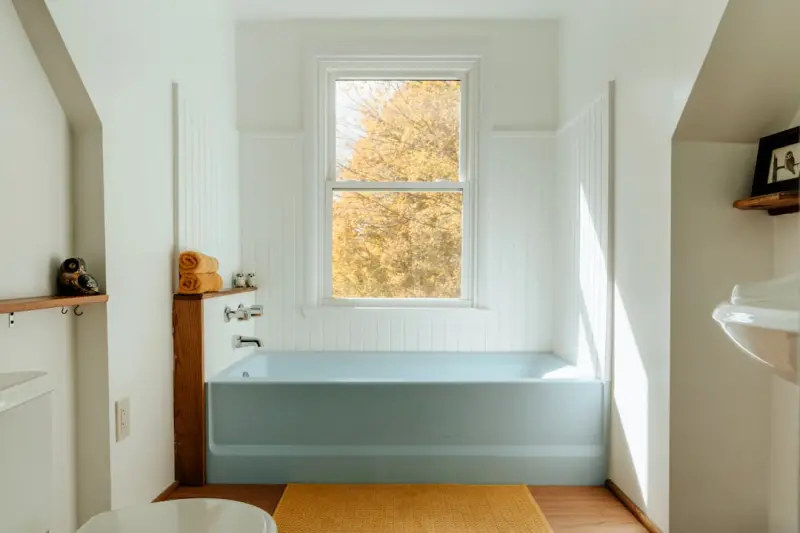
When I first walked into a client’s bathroom and saw a chipped, dull bathtub, my mind went straight to the hidden environmental impact of a full‑replace project. The tub itself might be a single fixture, but the ripple effects—manufacturing, transportation, landfill waste—are massive. That moment sparked a shift in how I view bathroom upgrades: not just as aesthetic fixes, but as strategic moves in a homeowner’s sustainability playbook.
The Real Cost of Replacement: More Than Money
Most homeowners assume that swapping out an old tub with a brand‑new model is the simplest solution. In reality, the hidden costs can quickly outweigh the upfront price tag. Consider the lifecycle emissions of a standard acrylic bathtub:
- Material extraction: Acrylic is derived from petroleum, a finite resource with a hefty carbon footprint.
- Manufacturing energy: Casting, curing, and finishing a tub consumes large amounts of electricity and heat.
- Transportation: A fully assembled tub can weigh upwards of 150 kg, and shipping it across the country adds fuel‑burn emissions.
- Disposal: Landfills are already overburdened, and a discarded tub doesn’t decompose quickly.
When you add up these factors, a seemingly modest remodel can generate the equivalent of a round‑trip flight for two people. Bathtub refinishing sidesteps most of these impacts by extending the life of the existing fixture, effectively “upcycling” it.
Refinishing as a Green Upgrade
Refinishing isn’t just a cosmetic makeover; it’s a carbon‑saving strategy. The process typically involves:
- Cleaning and repairing surface imperfections.
- Applying a high‑performance, low‑VOC (volatile organic compounds) coating that bonds at a molecular level.
- Curing the new surface, often using UV‑light or low‑heat ovens, which consume far less energy than traditional kiln curing.
Because the tub’s core structure remains untouched, the embodied energy of the original product is retained. In short, you’re reclaiming the material rather than creating new. This aligns perfectly with the principles of the circular economy—keep products and materials in use for as long as possible.
Why the Finish Matters: Slip Resistance and Longevity
One misconception I often encounter is that any finish will do. In truth, the choice of coating can dramatically affect safety and durability. Modern refinishing formulations offer:
- Enhanced slip resistance: Microscopic grit embedded in the coating meets ADA guidelines for bathroom safety, reducing fall risk for all ages.
- UV and stain resistance: Prevents discoloration from sunlight streaming through bathroom windows, keeping the tub looking fresh for years.
- Water‑proof sealing: Stops moisture from seeping into underlying layers, protecting against mold and structural decay.
Choosing a high‑quality, low‑VOC coating not only improves the tub’s lifespan but also contributes to better indoor air quality—a win‑win for health and the environment.
Technology Meets Tradition: The Rise of Advanced Coatings
In the past, refinishing meant a simple enamel coat that could chip after a few years. Today, the industry has embraced cutting‑edge technologies:
- Hybrid epoxy‑acrylic systems: Combine the toughness of epoxy with the flexibility of acrylic, offering a surface that resists cracking.
- Nanoparticle additives: Provide self‑cleaning properties, reducing the need for harsh chemical cleaners.
- UV‑curable resins: Cure in minutes under ultraviolet light, slashing labor time and energy consumption.
These advancements mean that a refinished tub can now outlast a standard new model, delivering both environmental and economic returns.
Financial Upside: Savings You Can See in Your Wallet
From a budgeting perspective, refinishing typically costs 20‑30 % of a full replacement. Let’s break down the numbers:
- Labor: A professional refinishing crew can complete the job in 2‑3 days, versus the 5‑7 days required for demolition, installation, and finishing of a new tub.
- Materials: High‑quality coating kits run about $300‑$600, whereas a new tub, especially a premium model, can range from $1,200 to $4,500.
- Ancillary costs: No need for new plumbing adapters, flange kits, or extensive waterproofing.
When you factor in the reduced energy usage during installation and the avoided disposal fees, the ROI becomes compelling. Homeowners often recoup the refinishing expense in under two years through increased home value and lower utility costs.
Integrating Refinishing into a Broader Sustainable Renovation Plan
Refinishing a bathtub doesn’t have to be an isolated project. It can be a strategic entry point for a series of green upgrades:
- Upgrade lighting to LED fixtures, cutting electricity usage by up to 80 %.
- Install low‑flow faucets and showerheads to reduce water consumption without sacrificing performance.
- Apply Sustainable painting strategies on walls and ceilings, using low‑VOC paints that improve indoor air quality.
- Choose water‑efficient toilets and dual‑flush mechanisms.
When these measures are combined, the bathroom becomes a showcase of sustainable living—a space that not only looks modern but also reduces a household’s carbon footprint.
Case Study: Turning a Neglected Bath into a Green Showcase
One of my recent projects involved a 30‑year‑old claw‑foot tub with deep scratches and a faded glaze. The homeowner wanted a fresh look but was hesitant about the cost and environmental impact of a new tub.
We proceeded with a full refinishing using a nanotechnology‑enhanced epoxy‑acrylic coating. The result:
- Slip‑resistant surface met safety standards.
- Coating retained its glossy finish after six months of heavy family use.
- Home energy audit showed a 5 % reduction in water heating demand, thanks to the tub’s improved thermal retention.
- Overall project cost was $850, compared to a $3,200 estimate for a new freestanding tub.
This example illustrates how a single refinishing job can trigger broader sustainability gains, both tangible and intangible.
Choosing the Right Professional: What to Look For
Not all refinishing services are created equal. Here’s a quick checklist to ensure you partner with a reputable provider:
- Certification: Look for companies certified by the National Association of the Remodeling Industry or similar bodies.
- Product Transparency: They should disclose the exact coating formulation, VOC levels, and warranty terms.
- Portfolio: Review before‑and‑after photos of past projects, especially those involving slip‑resistant finishes.
- Environmental Commitment: Preference for firms that use low‑energy curing methods and responsibly dispose of waste.
When you ask these questions, you’re not just protecting your investment; you’re reinforcing the sustainable ethos of the entire renovation.
Future‑Proofing Your Bathroom
As homeowners become more eco‑conscious, the market for sustainable bathroom solutions will only expand. Refinishing positions your home ahead of the curve, offering:
- Adaptability: Should trends shift toward new finishes or textures, a refinished surface can be recoated without tearing out the tub.
- Resale appeal: Modern buyers increasingly value green upgrades, and a well‑refinished tub can be a differentiator in a competitive market.
- Long‑term durability: Advances in coating technology continue to extend the functional life of refinished tubs.
In essence, refinishing is a low‑risk, high‑reward strategy that aligns with both present needs and future expectations.
Wrapping Up: The Quiet Power of a Refreshed Tub
Bathtub refinishing may not grab headlines like solar panels or smart home tech, but its impact is profound. By extending the life of an existing fixture, you cut emissions, save money, improve safety, and set the stage for a series of sustainable upgrades throughout the home. The next time you’re tempted to replace an old tub, pause and consider the greener, smarter alternative of refinishing—it’s a small decision with a ripple effect that benefits both your wallet and the planet.

David MacKinnon is a dynamic freelance writer known for his captivating storytelling and keen insights into the world of technology. With a passion for exploring the intersection of innovation and everyday life, he crafts engaging narratives that not only inform but also inspire his readers.
Related Posts
Bathtub Refinishing: Turning a Drab Tub into a Spa‑Like Statement
A seasoned homeowner shares insider tips on turning an outdated bathtub into a spa‑like centerpiec... Read More
The Strategic Benefits of Bathtub Refinishing for Modern Homeowners
Bathtub refinishing offers a cost‑effective, eco‑friendly way to revitalize bathrooms, improve w... Read More
Why Refinishing Your Bathtub Is the Green Renovation Hack You’ve Been Missing
Refinishing an old bathtub isn’t just a cost‑saving facelift; it dramatically reduces carbon emi... Read More
Top Posts
Sustainable Fencing: A Green Perspective from Veteran Contractor Paul Gray
Paul Gray shares his expert take on eco‑friendly fencing, covering green materials, smart design, and future trends for a secure, stylish, and sustainable out...Read More
Crafting a Personal Microclimate: Smart, Sustainable Weather Proofing for Your Home
Discover a holistic, data‑driven approach to home weather‑proofing that blends windbreaks, green walls, smart moisture sensors, and adaptive shading to buil...Read More

Why Power‑over‑Ethernet Is the Unsung Hero of Modern Building Intelligence
Power‑over‑Ethernet merges power and data in a single cable, cutting costs and simplifying installations while providing a data‑rich platform for AI, digi...Read More
The Interconnection Between Foundation Repair and Sustainable Home Design
Explore the intricate relationship between foundation repair and sustainable home design. Learn how prioritizing sustainable practices can ensure a stable, secu...Read More
0 Comments
Post Comment
You will need to Login or Register to comment on this post!