
The Rise of Ductless Mini‑Split Systems
When I first stepped onto a renovation site five years ago, the hum of a massive furnace was the soundtrack of every winter morning, a reminder that comfort still depended on bulky, centralized equipment that gulped electricity and spat out heated air through a labyrinth of ducts. Fast forward to today, and homeowners are demanding sleek, efficient solutions that blend seamlessly with modern interiors, lower utility bills, and adapt to variable occupancy patterns, prompting a quiet revolution led by ductless mini‑split systems that deliver precise temperature control without the invasive plumbing of yesteryear. In this deep dive, I’ll walk you through the engineering behind these compact units, explore how they outperform traditional HVAC in real‑world scenarios, and reveal practical steps to future‑proof your home while keeping indoor air quality at its peak, so you can make an informed decision before your next heating or cooling upgrade.
How the Technology Works
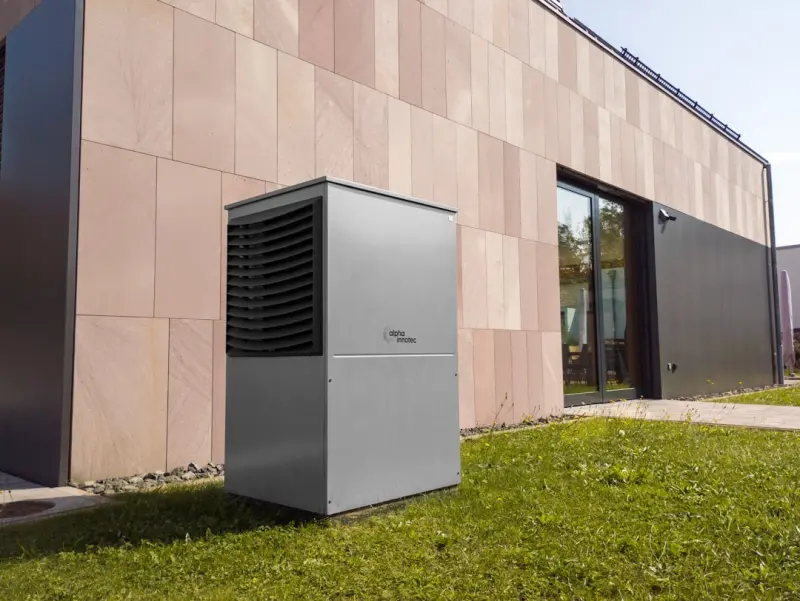
At the heart of a ductless mini‑split is a two‑part design: an outdoor condenser that resembles a small air‑conditioning unit and one or more indoor air handlers mounted on walls, ceilings, or even hidden behind cabinets. The two components communicate via a refrigerant line that carries heat‑exchange fluid, allowing the system to extract heat from the outside air in winter and push it inside, then reverse the process in summer for cooling. What sets this architecture apart is the absence of ductwork, which eliminates the notorious heat loss that can siphon off 30 % of energy in conventional forced‑air systems, thereby boosting overall energy efficiency and delivering consistent comfort throughout every room.
Zoned Comfort and Personalized Control
Because each indoor unit operates independently, homeowners can create distinct climate zones, tailoring temperature settings to the unique needs of bedrooms, home offices, or entertainment spaces. This zoning capability translates into tangible savings: you’re no longer heating an empty guest room or cooling a seldom‑used den, and the system’s inverter‑driven compressor modulates its speed to match the exact load, avoiding the on‑off cycling that wastes power in traditional furnaces. Moreover, many manufacturers pair their mini‑splits with Wi‑Fi‑enabled thermostats, giving you the freedom to adjust settings from a smartphone, voice assistant, or even a smartwatch, ensuring that comfort follows you wherever you go.
Retrofit Flexibility for Older Homes
One of the biggest barriers to modern HVAC upgrades is the cost and disruption of installing new ductwork in homes that were built before centralized heating became the norm. Ductless mini‑splits sidestep that hurdle entirely; the thin refrigerant lines and modest electrical conduit can be threaded through existing walls or attic spaces with minimal demolition. For historic properties or homes with tight budgets, this means you can enjoy the benefits of contemporary climate control without compromising original architectural details. In many cases, a single outdoor condenser can serve multiple indoor units, making the solution scalable as you add rooms or remodel over time.
Boosting Indoor Air Quality with Heat Recovery
Beyond temperature regulation, modern mini‑split systems often incorporate built‑in air‑filtration and heat‑recovery ventilation (HRV) technologies that continuously exchange stale indoor air with fresh outdoor air while retaining most of the thermal energy. This dual action improves indoor air quality, reduces allergens, and helps maintain humidity levels within a comfortable range—crucial for households with respiratory sensitivities or for anyone seeking a healthier living environment. By integrating HRV, you also capture waste heat that would otherwise escape, feeding it back into the heating cycle and further enhancing overall system efficiency.
Smart Integration and Sensor‑Driven Optimization
In today’s connected homes, the smartest HVAC solutions talk to the rest of your ecosystem. Mini‑splits now support protocols like Zigbee, Z‑Wave, and Matter, allowing them to sync with motion sensors, smart blinds, and even occupancy‑detecting cameras. When a room is unoccupied, the system can automatically lower heating or cooling output, then ramp up as soon as motion is detected—maximizing comfort while trimming energy use. For a deeper dive into how smart sensor technology is reshaping building performance, check out our recent analysis; the principles are directly applicable to optimizing mini‑split operation.
Cost Considerations and Return on Investment
While the upfront price tag of a ductless mini‑split can appear higher than a conventional furnace‑and‑air‑handler combo, the long‑term financial picture tells a different story. Reduced energy consumption, lower maintenance expenses, and the avoidance of costly duct‑sealing projects all contribute to a faster payback period. In many climate zones, homeowners report annual savings of 20 % to 40 % on heating and cooling bills, and the system’s longevity—often exceeding 15 years with proper care—means you’re investing in a solution that outlasts the typical lifespan of a traditional HVAC setup. Pairing these figures with energy inspection insights can help you model precise ROI scenarios tailored to your property’s characteristics.
Maintenance Simplicity and Longevity
Because there are no ducts to clean, routine upkeep of a mini‑split focuses primarily on the indoor air‑handler filters and the outdoor condenser coil. A quick filter swap every three to six months keeps airflow optimal, while an annual coil cleaning removes dust and debris that could impair heat exchange. The inverter compressor, unlike the start‑stop nature of traditional furnaces, experiences less wear and tear, translating into fewer breakdowns and a smoother, quieter operation. Many manufacturers also offer extended warranties that cover both indoor and outdoor units, giving you peace of mind that the system will serve your home reliably for years to come.
Making the Switch: A Practical Checklist
If you’re convinced that a ductless mini‑split could be the right fit, start by conducting a room‑by‑room heat‑loss calculation to determine the appropriate BTU rating for each indoor unit; oversizing leads to inefficiency, while undersizing can strain the compressor. Next, evaluate the structural layout for optimal placement of the outdoor condenser—prefer a location with good airflow, away from direct sunlight, and with easy access for service technicians. Finally, consult a certified installer who can verify that your home’s electrical panel can accommodate the new load and who will seal all penetrations to maintain the building envelope’s integrity. Armed with this checklist, you’ll be ready to transition to a climate‑control system that delivers comfort, savings, and sustainability in equal measure.

David MacKinnon is a dynamic freelance writer known for his captivating storytelling and keen insights into the world of technology. With a passion for exploring the intersection of innovation and everyday life, he crafts engaging narratives that not only inform but also inspire his readers.
Related Posts

AI‑Powered HVAC: Turning Climate Control into Predictive Service
A deep dive into AI‑driven HVAC shows how predictive analytics, smart sensors, and heat‑pump int... Read More

The Role of Sustainable HVAC Systems in Reducing Carbon Footprint
Sustainable HVAC systems play a vital role in reducing our carbon footprint. Learn about the strateg... Read More
Unlocking Efficiency: How Heat Recovery Is Revolutionizing Commercial HVAC
Heat recovery captures waste thermal energy from HVAC systems, turning it into a valuable resource t... Read More
Top Posts

The Critical Role of Sustainable Practices in Home Inspections
Sustainable practices play a critical role in home inspections, enabling homeowners to identify opportunities to improve the eco-friendliness of their property ...Read More

Beyond Cracks: Harnessing Smart Tech for Foundation Longevity
Explore how real‑time monitoring, data‑driven predictions, and low‑carbon repair materials are reshaping foundation repair from reactive fixes to proactiv...Read More

From Frame to Function: Rethinking Windows & Doors for a Circular Future
A circular fenestration strategy transforms windows and doors from disposable components into reusable assets, delivering cost savings, lower carbon footprints,...Read More

The Handyman’s Blueprint: Turning Routine Fixes Into Recurring Revenue
A practical guide for handymen to transition from reactive repairs to a proactive, subscription‑based maintenance model, boosting revenue, client loyalty, and...Read More
0 Comments
Post Comment
You will need to Login or Register to comment on this post!