

When I first stepped into a home that still relied on a single, aging furnace to heat every room, I felt the subtle tug of imbalance—rooms that were either sweltering or shivering, energy bills that seemed to mock my attempts at frugality, and a lingering sense that the comfort system was living in the past; that moment sparked my curiosity about how modern HVAC technology could be tailored to the nuanced rhythms of daily life, and it set me on a path to explore solutions that go beyond the generic “one‑size‑fits‑all” mantra that has haunted homeowners for decades; today I’m sharing the insights I’ve gathered, hoping to help you craft a climate strategy that respects each space’s unique needs while keeping your wallet and the planet happy.
Why Multi‑Zone HVAC Is the Future of Home Comfort
Imagine walking from a sun‑baked kitchen into a cool, tranquil bedroom without the awkward temperature shock that makes you wonder whether you should be wearing a sweater indoors; that seamless transition is exactly what a multi‑zone HVAC system delivers by assigning individual thermostatic controls to distinct zones, allowing each area to receive the precise amount of heating or cooling it truly requires; this approach not only eradicates the old “hot‑and‑cold” complaints that plague open‑plan homes but also translates into measurable energy savings because the system never wastes power conditioning space that is unoccupied or already comfortable, a win‑win that feels both intuitive and financially savvy.
Assessing Your Home’s Load Before You Buy
Before you even glance at a dealer’s brochure, the most responsible step is to perform a meticulous load calculation, a process that evaluates the square footage, insulation quality, window orientation, and even the number of occupants to determine the exact heating and cooling capacity needed; many homeowners skip this critical analysis and end up with an oversized unit that short‑cycles and wears out prematurely, or an undersized one that struggles on peak days, both scenarios leading to higher utility costs and premature equipment failure; a reliable way to achieve accuracy is to enlist a professional who can conduct thermal imaging inspections, which reveal hidden leaks and cold spots that traditional assessments often miss, ensuring your new system is sized perfectly for real‑world performance.
Integrating Smart Thermostats Without Overcomplicating
Smart thermostats promise convenience, but the key is to implement them in a way that complements, rather than complicates, your multi‑zone strategy, starting with a central hub that can communicate with each zone’s controller, allowing you to set schedules, monitor usage, and receive alerts from a single dashboard; the magic happens when you pair this hub with sensors that track occupancy, humidity, and even outdoor weather patterns, enabling the system to pre‑condition rooms before you step inside and to dial back when a space is empty, a feature that feels almost prescient in its efficiency; for homes built with an eye toward resilience, consider how layered weather‑proofing can amplify these benefits by reducing drafts and sealing gaps, thereby giving the thermostat cleaner data to work with and further trimming energy waste.
Ductless Mini‑Split Systems: When and How to Deploy
For older homes where retrofitting extensive ductwork would be invasive and costly, ductless mini‑split systems provide a sleek, flexible alternative that can be installed on a wall or ceiling with minimal disruption, delivering both heating and cooling through an outdoor compressor paired with indoor air handlers that serve individual rooms or zones; the technology has advanced to the point where modern units operate at impressive SEER (Seasonal Energy Efficiency Ratio) ratings, meaning you reap the comfort of precise temperature control while enjoying lower operating costs, and because each indoor unit can be independently regulated, you avoid the energy penalties of conditioning unused spaces; if you’re already contemplating upgrades, you might also explore retrofit radiant floor heating as a complementary solution for bathrooms or basements, creating a layered warmth strategy that feels natural underfoot.
Seasonal Maintenance That Saves Money and Improves Air Quality
Just as a car needs regular oil changes, your HVAC system thrives on a disciplined maintenance schedule that includes filter replacements, coil cleanings, and refrigerant level checks at the start of each heating and cooling season, tasks that not only preserve efficiency but also safeguard indoor air quality by preventing dust, mold spores, and allergens from circulating; a common oversight is neglecting the outdoor condenser, where leaves, debris, and even critter nests can obstruct airflow, forcing the compressor to work harder and shortening its lifespan, so a quick visual inspection followed by a gentle hose-down can make a noticeable difference in performance; finally, don’t forget to test the thermostat’s calibration and the integrity of any zone dampers, because even a small misalignment can cause uneven temperatures and unnecessary energy draw.
Balancing Energy Efficiency and Indoor Health
While high efficiency is often measured by reduced utility bills, the true value of a well‑designed HVAC system also lies in its ability to maintain a healthy indoor environment, a balance that can be achieved by integrating high‑quality air filters, UV‑light purifiers, or even smart ventilation that brings in fresh air when outdoor conditions are optimal; these components work in concert to lower the concentration of airborne pollutants, which is especially important for households with children, pets, or individuals with respiratory sensitivities, and the added benefit is that cleaner air allows the system to run smoother, reducing strain on fans and compressors; by choosing filters with a MERV rating that aligns with your health goals, you create a protective layer that enhances comfort without sacrificing efficiency.
Future‑Proofing Your System for Emerging Technologies
As homes become increasingly connected, the HVAC ecosystem is evolving to speak the language of voice assistants, solar integration, and even blockchain‑based energy trading platforms, so when you select equipment, look for units that support open communication protocols like MQTT or Zigbee, ensuring they can adapt to future upgrades without requiring wholesale replacement; another forward‑thinking move is to install a dedicated conduit or wiring pathway for potential upgrades such as smart vents or advanced humidity controllers, a modest investment that can save you from invasive retrofits down the line; finally, keep an eye on emerging refrigerants with lower global warming potential, because choosing a system that can be easily recharged with greener options positions your home as a responsible participant in the broader sustainability conversation.
Common Pitfalls and How to Avoid Them
One of the most frequent mistakes homeowners make is assuming that a higher price tag automatically guarantees superior performance, when in reality the sizing, installation quality, and compatibility with your home’s layout play far more pivotal roles; to dodge this trap, always request a detailed proposal that outlines the calculation methodology, equipment specifications, and a clear warranty, and don’t shy away from asking the installer to demonstrate how the system will be balanced across zones; another pitfall is overlooking the importance of proper sealing around the indoor air handlers, which can lead to conditioned air escaping and unconditioned air infiltrating, effectively undoing the efficiency gains you expect; a simple, yet often ignored, step is to apply weather‑resistant caulk around any penetrations to maintain a tight envelope.
Final Checklist for a Confident Upgrade
Before you sign the contract, verify that the load calculation matches the proposed unit capacities, confirm that each zone has an independent thermostat or sensor, ensure the installer plans to perform a thorough duct or conduit seal, schedule a post‑installation performance test that includes temperature differentials and airflow measurements, and finally, request a written maintenance schedule that outlines filter changes, coil cleanings, and system diagnostics for the first three years; crossing these items off will give you peace of mind that your new HVAC system is not just a purchase but a strategic investment in comfort, health, and long‑term savings; with this roadmap in hand, you’re ready to transform your home into a climate‑controlled sanctuary that adapts to your lifestyle, the seasons, and the future.

Kelly Reynolds is a dynamic freelance writer hailing from the picturesque landscapes of Alberta. A master of the written word, she juggles her passion for storytelling with the exhilarating chaos of being a mother to five spirited children. With an impressive portfolio that spans various genres, Kelly captivates readers through her engaging blog posts and thought-provoking articles.
Related Posts
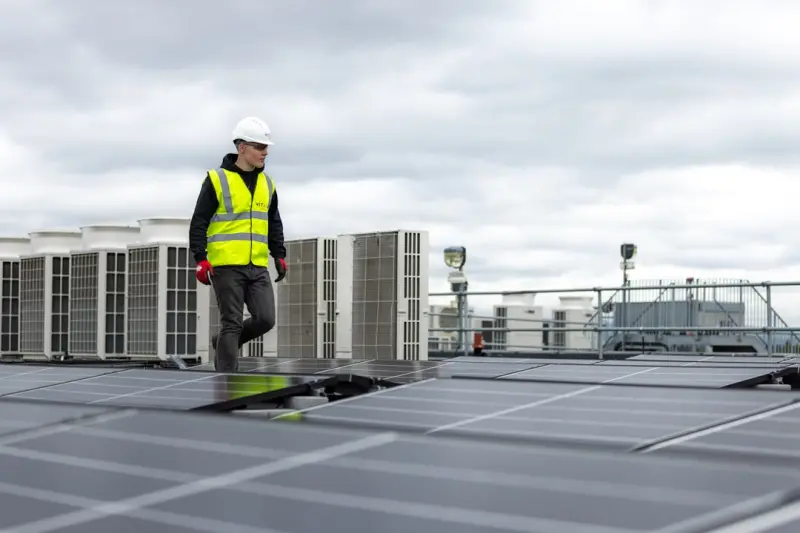
Turning HVAC Into a Predictive Profit Engine
Predictive maintenance turns HVAC from reactive repairs into a revenue driver. Learn how sensors, di... Read More
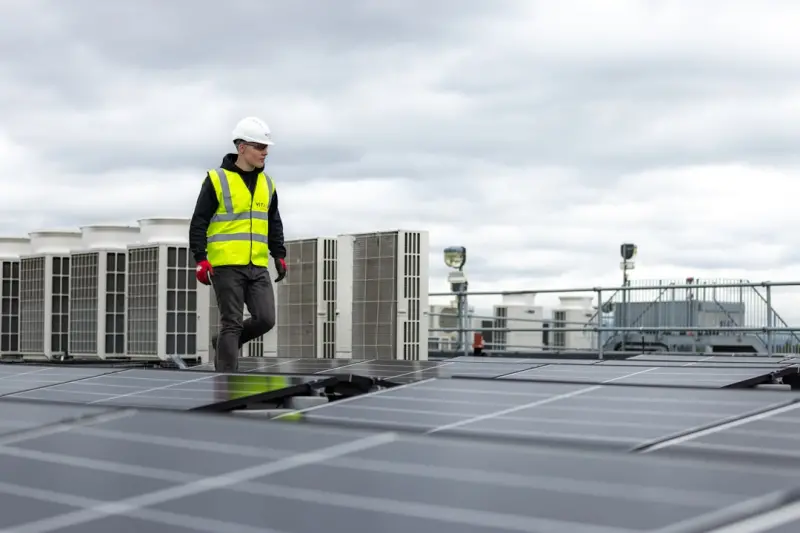
Unlocking the Strategic Power of Predictive HVAC Management
A deep dive into turning heating and air‑conditioning systems into strategic assets through predic... Read More

Predictive Maintenance for HVAC: Harnessing AI to Keep Buildings Comfortable
Predictive maintenance uses sensors and AI to forecast HVAC failures before they happen, delivering ... Read More
Top Posts

The Importance of Sustainable Tree Care Practices
Sustainable tree care practices are essential for maintaining the health of our planet. Learn how to care for your trees in an eco-friendly way and promote biod...Read More

Predictive Mold Removal: Turning Data Into a Clean, Healthy Building
A fresh look at mold removal shows how continuous humidity monitoring, smart ventilation, and AI-powered digital twins can prevent mold before it spreads, turni...Read More

Listening to Leaves: Data‑Driven Tree Care for Urban Landscapes
Kelly Reynolds shares how modern sensors, drones, and data analytics are revolutionizing tree care, enabling proactive maintenance, water savings, and stronger ...Read More
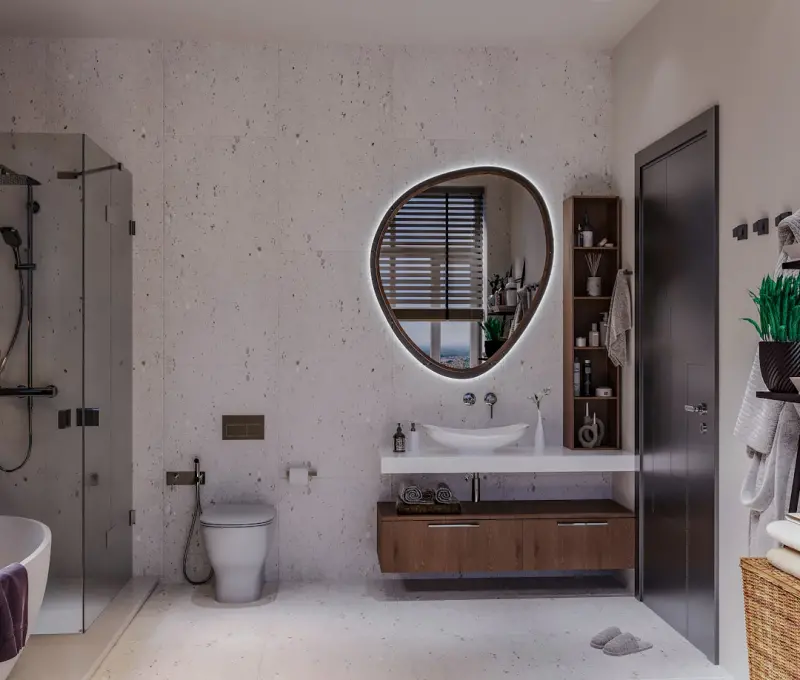
Designing a Sanctuary: The New Wave of Bathroom Renovations
A fresh look at bathroom remodels that blends spa‑like wellness, eco‑friendly fixtures, and future‑proof design to create a personal sanctuary and boost h...Read More
0 Comments
Post Comment
You will need to Login or Register to comment on this post!