

Why Intelligent Floor Heating Is the Unsung Hero of Modern Workspaces
When I first walked into a renovated office with a barely‑noticeable warmth underfoot, I felt something shift—not just my feet, but the entire atmosphere of the room. The subtle, even heat from a radiant floor system can be a silent catalyst for productivity, well‑being, and sustainability. Yet many facilities managers still treat floor heating as a “nice‑to‑have” afterthought rather than a strategic asset. In this post, I’ll unpack how a data‑driven, intelligent floor heating approach can turn that quiet comfort into measurable ROI, and how it dovetails with the broader digital infrastructure of today’s smart buildings.
From Passive Warmth to Proactive Performance
Traditional radiant heating was, for decades, a static system: set a temperature, let it run, and hope the thermostat didn’t overshoot. Modern floor heating, however, is evolving into a dynamic platform that can sense, learn, and adapt in real time. Imagine a system that knows when conference rooms are occupied, when a hot lunch is being served, or when an outdoor chill is approaching, and then fine‑tunes its output accordingly. This level of granularity does three things:
- Optimizes energy consumption by heating only where and when needed.
- Elevates occupant comfort by eliminating hot spots and drafts that can distract employees.
- Provides actionable data that can be layered onto broader building‑performance dashboards.
The shift from passive to proactive performance is not just a technological upgrade—it’s a cultural one. It tells occupants that the space cares about their comfort, and it signals to leadership that the building is a living, learning system.
Data‑Driven Comfort: The Role of Sensors and AI
At the heart of intelligent floor heating lies a network of sensors: temperature probes embedded in the concrete, occupancy detectors on the ceiling, even humidity sensors tucked into the HVAC ducts. When these inputs flow into an AI‑powered controller, the system can predict heat demand with uncanny accuracy. For instance, by analyzing historic occupancy patterns, the algorithm can pre‑heat a meeting room just minutes before a scheduled booking, ensuring that participants step onto a perfectly warm floor without ever feeling the chill of a cold start.
One practical benefit is the reduction of “thermal lag”—the delay between turning on a heater and feeling the warmth. AI can mitigate this lag by gradually ramping up the temperature in anticipation of use, effectively eliminating the need for occupants to fiddle with thermostats or complain about cold floors.
Integrating Floor Heating with Building Power Strategies
Radiant heating is inherently an electricity‑intensive load, but when paired with smart power distribution, it can become an ally rather than a drain. The concepts explored in dynamic power distribution illustrate how modern electrical grids can prioritize loads based on real‑time demand and renewable availability. By feeding floor heating into a flexible power management system, facilities can:
- Shift heating loads to off‑peak hours when electricity is cheaper and greener.
- Balance demand with on‑site generation such as solar PV, using excess solar power to warm the floor instead of exporting it.
- Participate in demand‑response programs, earning incentives for reducing load during grid stress events.
This synergy transforms floor heating from a cost center into a revenue‑generating resource, especially in regions with time‑of‑use tariffs.
Health, Wellness, and the Psychology of Warm Floors
Beyond the hard numbers, there’s a softer, yet equally compelling, story about how floor heating impacts human health. Warm feet improve circulation, reduce muscle stiffness, and even lower the incidence of colds during winter months. In a workspace where people sit for hours, those subtle physiological benefits add up to fewer sick days and higher morale.
Psychologically, the sensation of a warm floor can create a subconscious sense of security and comfort. Research on environmental psychology suggests that temperature cues influence cognitive function—moderately warm environments can enhance focus, while overly hot or cold settings can increase stress. By maintaining a stable, pleasant floor temperature, you’re effectively setting a baseline for mental clarity.
Retrofit Realities: Bringing Intelligent Heating to Existing Buildings
Many organizations assume that upgrading to intelligent floor heating requires a gut‑rebuilding project. In reality, a well‑planned retrofit can be less invasive than it sounds. Thin electric heating mats, for example, can be installed beneath new floor finishes without major demolition. Hydronic systems—water‑based radiant heating—can be added through existing slab penetrations or even under raised access floors common in data centers.
Crucially, the retrofit process should be guided by a thorough energy inspection. An audit uncovers hidden thermal bridges, insulation gaps, and inefficiencies that, once addressed, amplify the effectiveness of the new radiant system. Moreover, an energy inspection can reveal opportunities for integrating the floor heating with other sustainability measures, such as improved envelope insulation or upgraded glazing.
Measuring ROI: The Metrics That Matter
To convince senior leadership, you need clear, quantifiable outcomes. Here are the key performance indicators (KPIs) that intelligent floor heating can influence:
- Energy Use Intensity (EUI): Expect a 10‑15% reduction when the system is intelligently scheduled.
- Occupant Satisfaction Scores: Surveys often show a 20‑30% jump in comfort ratings.
- Productivity Gains: Warmer feet correlate with a modest 2‑4% increase in task completion speed.
- Maintenance Costs: Predictive diagnostics can cut unexpected failures by up to 40%.
- Carbon Emissions: When paired with renewable energy, floor heating can slash scope‑2 emissions dramatically.
By tying these metrics to financial outcomes—such as reduced utility bills, lower sick‑leave costs, and higher employee retention—you build a compelling business case.
Future‑Proofing: Floor Heating as an IoT Hub
One of the most exciting frontiers is using the floor heating infrastructure as a platform for additional IoT sensors. Temperature sensors can double as occupancy detectors, while the heating cables themselves can serve as low‑voltage power rails for other low‑energy devices. Imagine a workspace where the floor not only warms you but also powers ambient lighting, air quality monitors, and even smart desks that adjust height based on the user's posture.
This convergence creates a virtuous loop: data from the IoT devices informs the heating system, which in turn optimizes the environment for the occupants, feeding back into the data stream. The result is a self‑optimizing ecosystem that continuously refines comfort and efficiency.
Implementation Playbook: From Vision to Reality
Embarking on an intelligent floor heating project can feel daunting, but breaking it down into phases makes it manageable:
- Assessment: Conduct a comprehensive energy audit and map out current electrical capacity.
- Design: Choose between electric or hydronic solutions based on building use, budget, and existing infrastructure.
- Integration Planning: Align the heating control system with existing BMS (Building Management System) and power distribution strategy.
- Installation: Phase the rollout to minimize disruption—start with pilot zones such as conference rooms or employee lounges.
- Calibration: Use AI-driven controllers to fine‑tune temperature setpoints based on real‑time data.
- Monitoring & Optimization: Leverage dashboards to track KPIs, adjust schedules, and continuously improve performance.
Each step should involve cross‑functional collaboration between facilities, IT, and HR to ensure that technical, operational, and human factors are all aligned.
Conclusion: Warm Floors, Warm Futures
Floor heating is no longer just a comfort feature; it’s a strategic lever that can enhance energy performance, boost employee well‑being, and open new avenues for digital integration. By treating the floor as an intelligent, data‑rich surface, organizations can extract value far beyond mere temperature control. The next time you step onto a warm floor, remember that you’re experiencing the convergence of sustainability, technology, and human‑centered design—a quiet revolution that’s heating up the future of work.

Lifan Chen is a freelancer based in Toronto specializing in marketing. With expertise in crafting effective marketing strategies and campaigns, Lifan helps businesses grow their brand presence and reach target audiences. As a Toronto-based freelancer, Lifan combines local market insights with creative marketing skills to deliver tailored solutions for clients.
Related Posts

The Ultimate Guide to Floor Heating Systems: Benefits, Types, and Installation
Floor heating systems provide efficient and comfortable heat for homes. Learn about the different ty... Read More

Warmth Beneath the Feet: How Radiant Floor Heating Elevates Comfort and Sustainability
Radiant floor heating offers consistent warmth, lower energy use, and health advantages. Learn how s... Read More

Radiant Floor Heating: Turning Slabs into Smart Energy Assets
Radiant floor heating isn’t just about warm feet; it’s a strategic energy‑storage system that ... Read More
Top Posts

How to Retrofit Radiant Floor Heating for Comfort and Savings
A hands‑on guide to planning, installing, and testing retrofitted radiant floor heating, with budgeting tips, system choices, and common pitfalls to avoid....Read More

Beyond Plain Walls: How Next‑Gen Wallpaper Is Shaping Modern Interiors
Modern wallpaper blends acoustic performance, AI‑generated designs, eco‑conscious materials, and hidden sensors, turning walls into functional, stylish plat...Read More

Reviving Brick: Modern Masonry Techniques for the Everyday Builder
Explore contemporary masonry strategies—materials, mortar mixes, thin veneer, and sustainable reclamation—to create lasting, stylish walls that bridge indoo...Read More
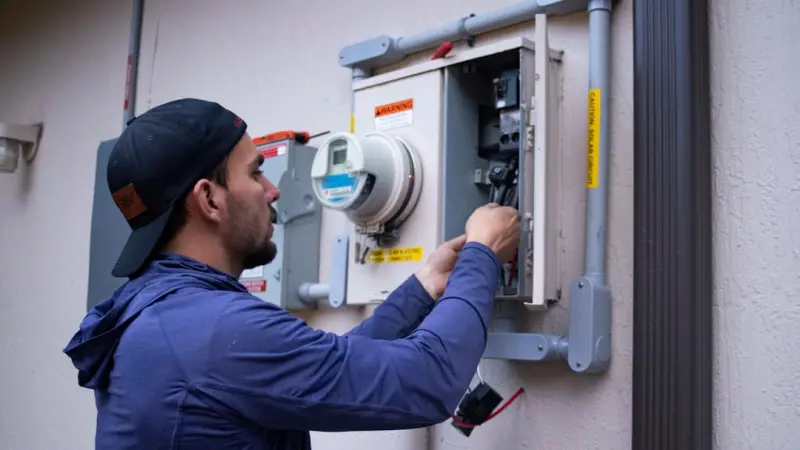
Beyond the Meter: How Real‑Time Energy Inspection Is Transforming Facility Management
Real‑time energy inspection replaces periodic audits with continuous, AI‑enhanced monitoring, delivering immediate savings, smarter retrofits, and stronger ...Read More
0 Comments
Post Comment
You will need to Login or Register to comment on this post!