
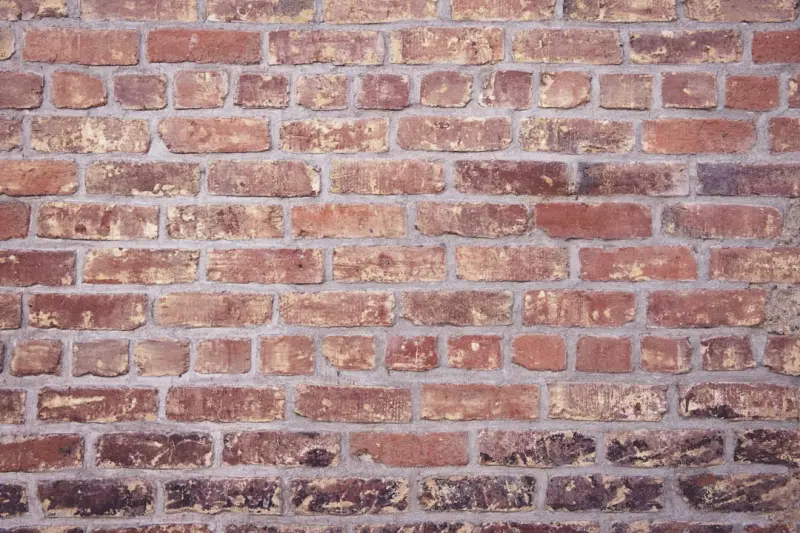
Why Masonry Still Matters in Modern Homes
Masonry has survived centuries not because it is nostalgic, but because it offers a unique blend of durability, thermal mass, and aesthetic versatility that few other building methods can match. When a wall absorbs heat by day and releases it at night, it creates a natural temperature regulator that reduces reliance on mechanical heating and cooling, subtly improving energy efficiency without the need for visible technology. Homeowners who appreciate the quiet strength of brick or stone often find that these materials age gracefully, developing a patina that tells a story rather than a stain that demands repainting. This inherent resilience also translates into lower long‑term maintenance costs, an advantage that becomes increasingly valuable as property values rise and renovation budgets tighten. By understanding the core benefits of masonry, you can make informed decisions that honor both tradition and contemporary lifestyle demands.
Selecting the Ideal Brick and Stone for Your Project
The first step toward a successful masonry undertaking is choosing the right unit, whether it be classic fired brick, reclaimed clay, or natural stone veneer. Each material carries its own structural and visual characteristics: brick provides uniformity and predictable load‑bearing capacity, while stone offers irregular texture and a sense of organic integration with the surrounding landscape. Consider the climate and intended use—dense, low‑porosity bricks resist frost damage in colder regions, whereas porous limestone may be better suited to interior accent walls where moisture exposure is limited. Sourcing locally not only reduces transportation emissions but also ensures color harmony with neighboring structures, a subtle detail that elevates curb appeal. Take the time to feel the weight, examine the surface for uniformity, and request a small sample to observe how light interacts with the material at different times of day before committing to a bulk order.
Mastering Mortar Mixing for Strong, Long‑Lasting Joints
Even the most exquisite brick or stone will underperform if the mortar does not bind correctly, making mortar preparation a critical skill for any mason. The ratio of cement, lime, and sand determines not only the compressive strength but also the flexibility needed to accommodate slight movements caused by thermal expansion. A common, reliable mix follows a 1:1:6 proportion—one part cement, one part lime, six parts sand—balanced with enough water to achieve a creamy consistency that holds its shape without slumping. Adding a small amount of waterproofing admixture can further protect the joint from moisture ingress, a frequent cause of spalling in older walls. When applying mortar, work in manageable sections, press the mix firmly into each joint, and scrape excess before it skins over to achieve a clean, uniform appearance that enhances both structural integrity and visual cohesion.
Modern Techniques: Thin Veneer and Brick Slip Systems
Traditional solid masonry can be labor‑intensive and costly, prompting many homeowners to explore lighter alternatives that still deliver the classic look. Thin veneer panels and brick slip systems allow a single‑course appearance using materials as thin as 3/8 inch, dramatically reducing dead load while preserving the tactile feel of authentic brick. Installation typically involves attaching the veneer to a reinforced backing board with a polymer‑based adhesive, then grouting the joints to mimic the depth of full‑thickness brick. This method opens possibilities for retrofitting existing structures, adding a fresh façade without the need for extensive demolition. For inspiration on how to turn a simple substrate into a canvas, see how concrete can become a creative surface that complements masonry aesthetics.
Reclaimed Materials: Sustainability Meets Style
In an era where environmental responsibility drives design decisions, reclaimed brick and stone have emerged as coveted resources that blend sustainability with distinctive character. Salvaged units often bear marks of previous lives—weathered surfaces, faint graffiti, or historic mortar stains—that add depth and narrative to new projects, turning a plain wall into a conversation piece. Sourcing reclaimed masonry from demolition sites or specialty suppliers not only diverts waste from landfills but also reduces the energy consumption associated with manufacturing new units. When integrating reclaimed pieces, prioritize compatibility of compressive strength and ensure that any residual contaminants are removed before installation. Pairing these vintage elements with contemporary finishes can create a compelling juxtaposition, as demonstrated in a recent case study on sustainable restoration practices that balance old‑world charm with modern functionality.
Bridging Indoor and Outdoor Spaces with Masonry
Beyond exterior walls, masonry can serve as a seamless bridge between indoor living areas and the surrounding environment, enhancing both visual continuity and structural performance. A well‑designed masonry fireplace, for instance, can act as a focal point that radiates warmth while anchoring open‑plan layouts, especially when combined with floor‑to‑ceiling brick or stone panels that echo outdoor textures. Outdoor kitchens, fire pits, and retaining walls benefit from the same material durability, providing weather‑resistant surfaces that age gracefully under the elements. When planning these transitions, pay careful attention to the thermal expansion coefficients of the chosen masonry and the adjoining building materials to prevent cracking. Incorporating recessed lighting or integrated seating within stone walls adds functional depth without compromising the clean lines that modern architecture celebrates.
Maintenance Strategies to Preserve Masonry Longevity
Even the toughest masonry benefits from routine care, and a proactive maintenance schedule can extend the life of your walls for decades. Begin each season with a visual inspection, looking for cracks, efflorescence, or mortar erosion that may indicate moisture intrusion or structural stress. Small hairline cracks can often be repaired with a compatible mortar mix applied using a pointing trowel, while larger gaps may require a professional assessment to address underlying movement. Applying a breathable water‑repellent sealant every few years protects the surface without trapping moisture—a common mistake that accelerates freeze‑thaw damage. Additionally, keep vegetation at a respectful distance; roots can pry bricks apart, and overhanging vines may retain moisture against the wall. Regular cleaning with a gentle, non‑acidic solution removes pollutants that could otherwise degrade the masonry’s appearance and integrity.
Future Trends: Integrating Technology Without Compromising Tradition
While the core of masonry remains rooted in age‑old craftsmanship, emerging technologies are beginning to enhance its application in subtle, unobtrusive ways. Digital laser scanning allows precise measurement of existing structures, facilitating accurate replication of historic patterns when adding new brick courses. 3‑D printing of custom brick molds opens possibilities for bespoke shapes and intricate detailing that would be prohibitively expensive using traditional hand‑forming methods. Meanwhile, sensor‑embedded mortar can monitor humidity and temperature within walls, alerting homeowners to potential moisture issues before they become visible problems. These innovations respect the material’s timeless qualities while offering modern conveniences that improve performance and reduce maintenance burdens, ensuring masonry remains a relevant, resilient choice for future generations.

William Roy is a freelance writer originally from Montreal who moved to Ottawa with his wife of 50 years to be closer to their grandkids. Alongside his writing, William has a passion for fishing.
Related Posts

How Augmented Reality Is Revolutionizing Bricklaying on the Jobsite
Augmented reality is merging with masonry, giving masons real‑time visual guidance, reducing mater... Read More

Breathing Life into Walls: The Rise of Vapor‑Permeable Masonry
Vapor‑permeable masonry lets walls “breathe,” reducing moisture problems, enhancing energy per... Read More
The Evolution of Masonry: A Sustainable Path Forward
The masonry industry is evolving to meet the demands of a more environmentally conscious market. Lea... Read More
Top Posts

AI‑Powered Smart Electrical Panels: The Quiet Revolution Transforming Workspaces
AI‑powered smart electrical panels turn passive breaker boxes into active energy managers, delivering real‑time load monitoring, predictive maintenance, and...Read More
Sustainable Flooring: A Key Component of Eco-Friendly Home Design
Sustainable flooring is a critical component of eco-friendly home design. Learn about the benefits and types of sustainable flooring, from reclaimed hardwood to...Read More

Paving the Way: How Modern Surfaces Transform Outdoor Living
Explore fresh paving trends that combine eco‑friendly materials, smart tech, and artistic patterns to turn ordinary walkways into sustainable, eye‑catching ...Read More

The Ultimate Renovation Checklist: From Vision to Victory
A comprehensive renovation checklist walks you through defining your vision, budgeting, permits, contractor selection, timeline, material sourcing, waste manage...Read More
0 Comments
Post Comment
You will need to Login or Register to comment on this post!