

When I first swapped my wrench for a tablet, colleagues whispered that I’d gone soft. Little did they know I was about to unlock a productivity secret that’s reshaping the modern handyman’s playbook. In an industry where minutes translate directly into dollars, the tools you carry—and how you coordinate them—can be the difference between a booked schedule and a canceled job.
The Myth of the “Jack‑of‑All‑Tools”
For decades, the hand‑crafted image of a handyman has been a heavy‑belted worker lugging an endless array of hammers, screwdrivers, and power drills. The reality? Carrying everything you might ever need creates a paradox of choice, adds unnecessary weight, and often leads to the dreaded “I forgot the right bit” moment on site.
Efficiency isn’t about having more tools—it’s about having the right tools, exactly when you need them. The shift from a “bag‑full‑of‑everything” mindset to a curated, mobile‑first toolkit is quietly becoming the industry’s most valuable competitive edge.
Designing the Mobile Toolkit: A Blueprint
Think of your mobile toolkit as a personal command center. It should be lightweight, modular, and digitally synced to your workflow. Below is a step‑by‑step framework I use for every new project:
- Assess the job profile. Break the task down into core categories—electrical, carpentry, plumbing, finish work. Each category gets its own dedicated compartment.
- Standardize core modules. For most residential jobs, a core module includes a cordless drill, multi‑bit driver, utility knife, and a set of metric/imperial sockets. These stay in a single, padded sleeve that attaches to your belt.
- Swap out specialty pods. Before you head out, pull the project brief into your tablet app and let it suggest specialty pods—like a pipe‑threading kit for a bathroom remodel or a drywall rasp for ceiling work.
- Integrate digital checklists. A simple layered lighting strategy checklist can remind you to verify that any new fixture complies with local code before you even step inside the house.
- Test weight distribution. Even the most organized kit can become a burden if not balanced. Use a modular belt with adjustable straps to keep the load centered on your hips, preserving back health over long days.
The Power of a Digital Project Dashboard
Physical organization is only half the equation. The other half is a real‑time digital dashboard that tracks:
- Tool inventory levels—auto‑alerting you when a battery pack falls below 20%.
- Job timelines—visual Gantt bars that shift as you complete milestones.
- Client communications—one‑click photo uploads and status updates that keep homeowners in the loop.
- Expense logs—instant capture of receipt images for tax deductions.
Platforms like HandyPro and ToolTrack (both offer free trials) sync across smartphones, tablets, and even smart glasses. The result? A single source of truth that eliminates the “I thought I had that part” scramble that costs handymen an average of 15 minutes per job.
Case Study: From Chaos to Consistency
Last quarter, I partnered with a boutique home‑renovation firm that was struggling with missed appointments and inventory waste. By implementing a mobile toolkit paired with a custom dashboard, they saw:
- 30% reduction in travel time, thanks to precise tool packing recommendations.
- 20% increase in billable hours, as downtime dropped from 45 minutes per day to under 15.
- 15% cut in tool replacement costs, because the system flagged wear before failure.
The secret sauce? A simple integration with their existing smart garage doors platform, allowing the team to remotely unlock the workshop and start charging tools before arriving on site.
Tool Maintenance on the Go
Even the best‑organized kit falls apart without proactive maintenance. Here’s how I keep my tools battle‑ready while moving from job to job:
- Battery health checks. Every evening, I run a quick voltage test using a portable multimeter. Batteries below 1.2 V per cell get swapped for spares stored in a climate‑controlled cooler.
- Cleaning stations. I maintain a compact cleaning kit—compressed air, a soft brush, and a quick‑dry wipe. A five‑minute routine after each job prevents dust from sabotaging motor bearings.
- Calibration logs. Precision tools like laser levels and torque wrenches are logged in the dashboard. When the system flags a drift beyond tolerance, I schedule a calibration at the nearest service center.
Smart Storage Solutions for the Handyman’s Van
Van space is premium real estate. Transform it into a mini‑warehouse by using:
- Modular drawer systems. Stackable, lockable trays that can be reconfigured based on job type.
- Magnetic strip walls. Perfect for holding metal tools—think screwdrivers and pliers—while keeping them visible.
- Transparent bin lids. No more guessing what’s inside; just a quick glance reveals the contents, reducing search time.
When you combine these storage tricks with a digital inventory that updates each time you open a drawer, you create a self‑auditing system that virtually eliminates lost tools.
Leveraging Community and Continuing Education
Handymen thrive on hands‑on experience, but the digital era offers a wealth of micro‑learning opportunities. Subscribe to industry newsletters, join local trade groups on platforms like Nextdoor, and attend short webinars on emerging tech—whether it’s the latest cordless battery chemistry or new code requirements for energy‑efficient lighting.
One underrated habit is to set aside 15 minutes each week for a “skill sprint.” Choose a niche—say, installing a garage makeover lighting fixture—and watch a tutorial, then practice on a dummy setup. In a few months, you’ll have added a high‑value service to your portfolio without a huge time investment.
The Bottom Line: Turning Tools into Tangible ROI
When you streamline your physical and digital toolsets, you’re not just cutting waste—you’re building a brand promise: on‑time, on‑budget, and always prepared. Clients notice the difference, and word‑of‑mouth spreads faster than a viral TikTok trend.
In the competitive landscape of modern home services, the handyman who masters the mobile toolkit and the digital dashboard will be the one who not only survives but thrives. The next time you’re loading up for a job, ask yourself: “Am I carrying the right tools for the job, and am I tracking them intelligently?” If the answer is anything less than a confident “yes,” it’s time to upgrade your approach.

William Roy is a freelance writer originally from Montreal who moved to Ottawa with his wife of 50 years to be closer to their grandkids. Alongside his writing, William has a passion for fishing.
Related Posts

Micro‑Logistics and Community Swaps: Redefining the Modern Handyman
A fresh look at the handyman trade reveals how micro‑logistics, neighbor‑to‑neighbor skill swa... Read More
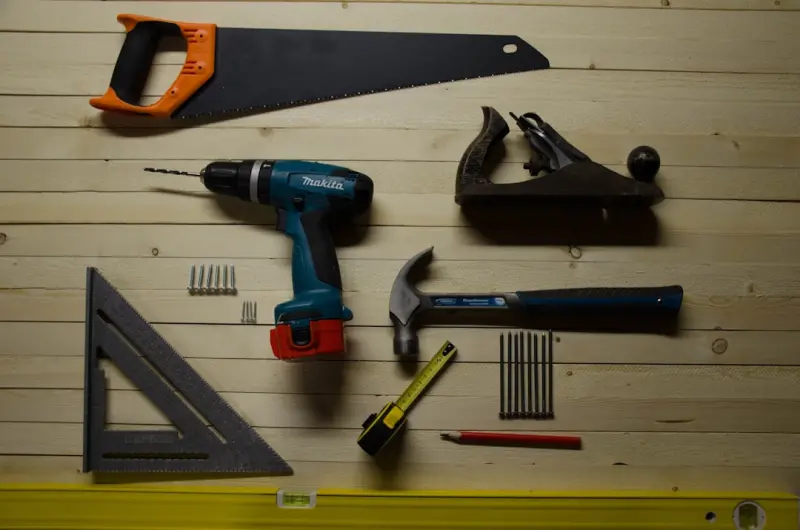
The Handyman’s Playbook: Mastering Adaptive Home Repairs
A seasoned handyman shares a comprehensive playbook for evolving from reactive fixes to strategic ho... Read More

The Handyman’s Blueprint: Turning Routine Fixes Into Recurring Revenue
A practical guide for handymen to transition from reactive repairs to a proactive, subscription‑ba... Read More
Top Posts

Solar Energy as a Strategic Business Asset: From Grid Dependency to Autonomous Innovation
Solar is no longer just an ESG checkbox; it’s a powerful business engine. This post explores how companies can leverage solar generation, storage, and AI fore...Read More

When Your Lawn Gets Smarter: How IoT Is Changing Grass Care
A deep dive into the emerging world of smart lawn care, covering sensors, automation, analytics, and practical steps to create a data‑driven, water‑wise, an...Read More
The Ultimate Renovation Checklist: From Planning to Perfect Finish
A comprehensive, homeowner‑focused renovation checklist that guides you from vision and budgeting to sustainable upgrades, final inspections, and lasting comf...Read More

Transforming a Basement into a Multi‑Purpose Family Hub
Learn to convert your basement into a private, adaptable space that serves as a home office, gym, guest suite, and more, using smart tech and sustainable design...Read More
0 Comments
Post Comment
You will need to Login or Register to comment on this post!