

When most facility managers think about operational efficiency, carpet cleaning is often filed under “maintenance chores” rather than a strategic lever. I’ve spent the last decade watching how data and service design reshape traditionally low‑tech domains, and I keep returning to one truth: the state of a building’s floor covering is a silent indicator of both indoor health and organizational performance. If you treat carpet care as a predictable, data‑informed service rather than an occasional emergency, you unlock hidden value that resonates across employee wellbeing, brand perception, and the bottom line.
The True Cost of Ignoring Carpet Health
Carpets are porous ecosystems. They trap dust, allergens, volatile organic compounds (VOCs), and even microscopic pathogens. Over time, these particles degrade indoor air quality, which research links to reduced cognitive function and higher absenteeism. The hidden cost isn’t just the occasional stain removal; it’s the cumulative impact on productivity, health‑related expenses, and the reputation of your workspace.
Consider a typical open‑plan office of 10,000 sq ft with high‑traffic zones. A conventional cleaning schedule—monthly vacuuming and a quarterly deep clean—might keep the surface looking acceptable, but it does little to address the deeper layers where contaminants accumulate. The result is a carpet that looks fine but is silently emitting pollutants into the breathing zone. In a data‑driven organization, that invisible risk is unacceptable.
From Reactive to Proactive: Building a Carpet Care Playbook
Transitioning to a proactive model begins with three pillars: measurement, scheduling, and accountability.
- Measurement: Deploy low‑cost sensor kits that monitor humidity, temperature, and airborne particle counts in key zones. When combined with visual inspections, these data points create a “carpet health score” that updates in real time.
- Scheduling: Use the health score to trigger cleaning events. High‑traffic corridors with a rising particle count may prompt a mid‑week extraction, while low‑traffic conference rooms can stretch to longer intervals.
- Accountability: Tie carpet health metrics to facility KPIs. When the health score improves, you can directly correlate it to reduced sick‑days and higher employee satisfaction scores.
By embedding carpet care into the broader performance dashboard, you shift the narrative from “cleaning expense” to “operational asset.”
Data‑Driven Insights Meet Service Innovation
One of the most compelling ways to operationalize carpet health is to treat it as a subscription‑based service. Rather than paying per‑visit, organizations contract with a specialist who supplies the sensors, analytics platform, and cleaning crew—all under a unified SLA. This model offers predictable budgeting, continuous performance monitoring, and rapid response to emerging issues.
Think of it as property care analytics applied to the floor covering. The service provider collects data, runs algorithms to forecast degradation patterns, and schedules interventions before visible damage appears. The result is a carpet that retains its aesthetic and functional integrity for years longer than a traditional contract would allow.
Environmental and Financial Upsides
Beyond health, there’s a compelling sustainability story. Extending carpet life reduces the frequency of replacement, which in turn cuts waste and the embodied carbon associated with manufacturing new fibers. When you pair a data‑driven cleaning regime with environmentally friendly cleaning agents—biodegradable, low‑VOC solutions—you create a virtuous loop of reduced resource consumption and lower emissions.
Financially, the math is straightforward. Suppose a high‑traffic carpet system costs $30 / sq ft to replace. Extending its life by two years saves $60,000 on a 10,000 sq ft floor. Add the reduction in sick‑day costs—estimated at $150 per employee per year for a 200‑person office—and you quickly see a net positive ROI that justifies the subscription fee.
Integrating Carpet Care With Existing Facility Systems
Modern buildings already host a plethora of IoT devices: HVAC controllers, occupancy sensors, lighting automation. Adding carpet health sensors is a low‑friction integration. Data streams can be fed into the same building management platform (BMS) that monitors temperature and air quality, allowing facility teams to view a unified health dashboard.
For organizations already leveraging moisture‑focused data insights, the transition is even smoother. Both moisture and carpet health rely on similar environmental parameters—humidity, temperature, airflow. By correlating these datasets, you can spot patterns such as increased humidity leading to faster carpet fiber breakdown, prompting preemptive dehumidification measures.
Human‑Centric Design: The Experience Layer
Carpet isn’t just a functional element; it’s a tactile experience that influences perception. A plush, well‑maintained carpet conveys professionalism and care, while a worn, dingy floor can subtly erode confidence in the brand. In client‑facing spaces, this “soft branding” effect can be decisive. When a visitor walks into a lobby with a clean, vibrant carpet, the subconscious message is: “We invest in quality.”
To maximize this effect, align carpet color and texture with the company’s visual identity, and ensure cleaning schedules preserve the intended look. Many service providers now offer “color‑lock” treatments that protect dyes from fading, extending the aesthetic lifespan and reinforcing brand consistency.
Implementing the Model: A Step‑by‑Step Blueprint
- Audit Existing Assets: Catalog carpet types, ages, traffic patterns, and current cleaning contracts.
- Deploy Sensors: Install a pilot set of air‑quality and humidity sensors in high‑traffic zones.
- Define Health Metrics: Establish baseline scores and threshold triggers for cleaning actions.
- Select a Service Partner: Choose a provider that offers a subscription model with integrated analytics.
- Integrate Data: Connect sensor feeds to the BMS or a dedicated dashboard.
- Train Stakeholders: Educate facilities staff and HR on interpreting carpet health scores and linking them to employee wellness programs.
- Iterate and Optimize: Review performance quarterly, adjust thresholds, and refine the service schedule.
This structured approach transforms carpet cleaning from an afterthought into a measurable contributor to organizational performance.
Future Outlook: From Reactive Cleaning to Predictive Floor Management
Looking ahead, advances in machine learning will enable even more granular predictions. Imagine an algorithm that ingests sensor data, footfall analytics, and historical cleaning logs to forecast exactly when a particular carpet segment will lose its resilience. The system could then automatically dispatch a cleaning crew or recommend a targeted spot‑treatment, eliminating waste and ensuring consistent floor quality.
Such predictive floor management aligns perfectly with the broader trend of “operational excellence as a service.” Companies that adopt this mindset early will differentiate themselves not only through cleaner spaces but through demonstrable commitments to employee health, sustainability, and fiscal responsibility.
In sum, carpet cleaning is ripe for a strategic overhaul. By treating it as a data‑informed, subscription‑based service, you convert a routine expense into a lever for health, brand, and bottom‑line gains. The next time you schedule a cleaning, ask yourself: am I simply wiping away stains, or am I investing in the invisible infrastructure that supports my organization’s success?

Lifan Chen is a freelancer based in Toronto specializing in marketing. With expertise in crafting effective marketing strategies and campaigns, Lifan helps businesses grow their brand presence and reach target audiences. As a Toronto-based freelancer, Lifan combines local market insights with creative marketing skills to deliver tailored solutions for clients.
Related Posts

Science‑Driven Carpet Care: Extending Life and Boosting Indoor Health
A deep dive into science‑based carpet cleaning: learn how fiber knowledge, sustainable agents, sma... Read More

Why Modern Carpet Care Is the Unsung Hero of Facility Performance
Carpet cleaning goes beyond appearance; it improves air quality, reduces energy use, extends carpet ... Read More

Sustainable Carpet Cleaning: A Hidden Business Advantage
Eco‑friendly carpet cleaning can cut expenses, improve indoor air quality, and elevate brand perce... Read More
Top Posts

Data-Driven Snow Removal: How to Plan, Prioritize, and Save Time
Discover a data‑focused approach to snow removal that helps you schedule trips, allocate resources, and stay ahead of storms—saving time, money, and stress....Read More
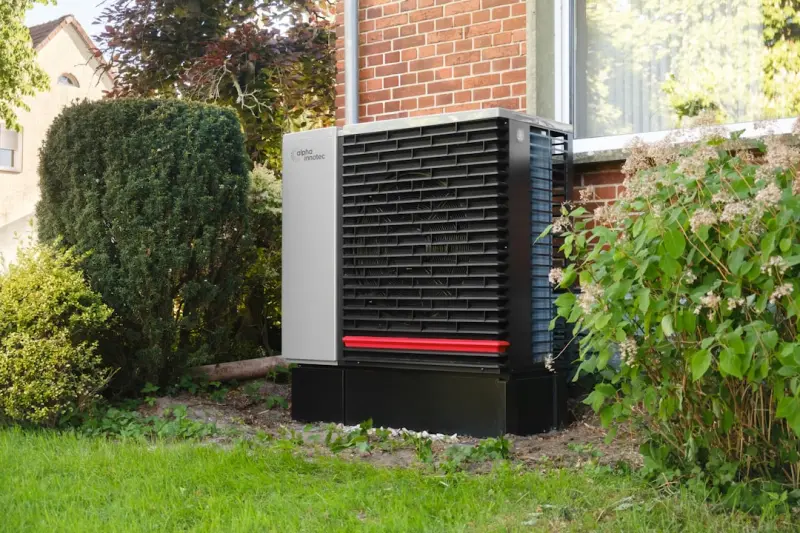
Unlocking Efficiency: How Heat Recovery Is Revolutionizing Commercial HVAC
Heat recovery captures waste thermal energy from HVAC systems, turning it into a valuable resource that lowers operating costs, reduces carbon emissions, and im...Read More
Why Your Business Should Treat Carpet Care Like a Competitive Advantage
Treat carpet cleaning as a strategic, data‑driven service to improve indoor air quality, employee wellbeing, and financial performance, turning an ordinary ex...Read More

Handyman Services Go Subscription & Remote Diagnostics
This article explores three emerging trends—subscription models, remote AR diagnostics, and upcycling materials—that are reshaping the handyman industry and...Read More
0 Comments
Post Comment
You will need to Login or Register to comment on this post!