
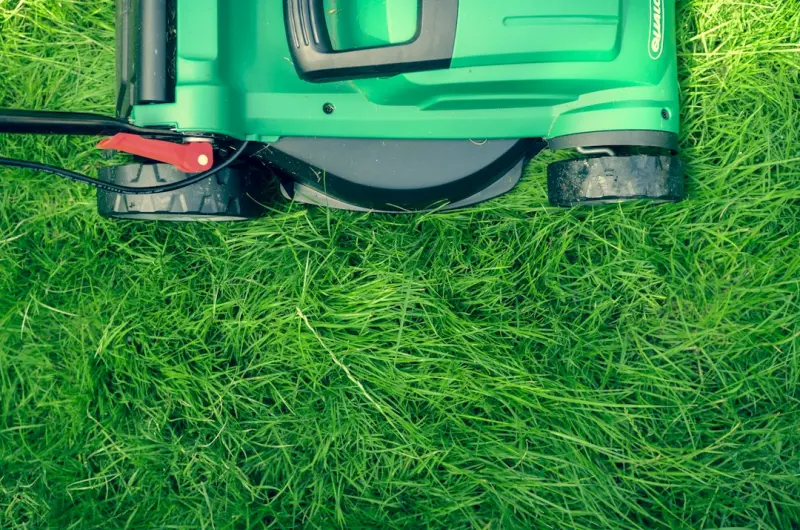
Why a Native‑Grass Lawn Is the Smartest Choice for Modern Homeowners
When I first moved into my own yard, I imagined a perfectly manic lawn that looked like the glossy carpet you see in home‑improvement ads. After a few seasons of over‑watering, endless fertiliser runs, and battling weeds that seemed to have a personal vendetta, I realized that the classic “one‑size‑fits‑all” lawn recipe was a myth. That revelation sparked a deep dive into the science of grass, soil microbes, and water‑wise design. The result? A backyard that not only looks great but also works with nature, not against it.
The Real Cost of a Traditional Lawn
Before we jump into solutions, it’s worth understanding the hidden costs of the traditional lawn model:
- Water consumption: A typical 1,000‑square‑foot lawn can swallow up to 1,200 gallons of water per week in hot climates.
- Chemical dependence: Synthetic fertilisers and herbicides may give a quick visual boost, but they degrade soil biology and can leach into groundwater.
- Maintenance time: Mowing, edging, and reseeding can easily claim more than ten hours a month for a busy household.
- Carbon footprint: Lawnmowers, especially gas‑powered ones, emit CO₂ and other pollutants that add up over the years.
These factors are why many homeowners are now asking: Is there a smarter, greener way to keep a lawn?
Enter Native Grasses: The Unsung Heroes
Native grasses are species that have evolved right where you live. They’re adapted to local rainfall patterns, soil types, and temperature swings. Here’s why they’re a game‑changer:
- Drought resilience: Native roots go deep, tapping moisture that shallow, non‑native turf can’t reach.
- Low maintenance: Once established, they need far less mowing, fertilising, and watering.
- Biodiversity boost: They provide habitat for pollinators, beneficial insects, and even small wildlife.
- Soil health champion: Their root systems foster a thriving microbiome, which in turn improves nutrient cycling.
In my own yard, I switched from a high‑maintenance Kentucky bluegrass blend to a mix of Buffalo grass and Little Bluestem. Within two growing seasons, the lawn required 60% less water and the colour stayed vibrant even during the hottest weeks.
Step‑by‑Step Guide to a Native‑Grass Lawn
Below is the roadmap I followed, complete with practical tips for each stage.
1. Soil Assessment & Preparation
Even native grasses need a solid foundation. I started with a simple soil test (most local extension services offer this for free). Look for:
- pH level (ideal range 6.0‑7.0 for most native grasses)
- Organic matter content (aim for 3‑5% before planting)
- Texture (sand‑loam works best for drainage)
If the test revealed low organic matter, I amended the soil with a thin layer of compost—just enough to boost microbial activity without creating a nutrient overload that favours weeds.
2. Choose the Right Species Mix
Each region has its own native grass champions. I consulted my state’s native plant society and landed on a trio:
- Buffalo grass (Bouteloua dactyloides): Warm‑season, low water demand, fine texture.
- Little Bluestem (Schizachyrium scoparium): Adds seasonal colour, from green in summer to rust in fall.
- Prairie Dropseed (Sporobolus heterolepis): Offers a soft, airy look and tolerates light foot traffic.
Mixing species ensures that if one grass struggles in a particular micro‑climate, the others fill the gap, keeping the lawn uniform.
3. Planting Technique
Timing is crucial. For warm‑season grasses, early spring or late summer (when soil temperatures sit around 65‑70°F) is optimal. I chose to seed rather than sod because it’s more cost‑effective and encourages deeper root growth.
- Rake the area to a smooth, firm seedbed.
- Spread seeds at the recommended rate—usually 10‑12 pounds per 1,000 sq ft for native mixes.
- Lightly rake again to incorporate seeds into the top ¼ inch of soil.
- Water gently using a fine mist for the first two weeks, keeping the surface consistently moist but not soggy.
After germination, gradually reduce watering frequency to encourage deeper roots.
4. Smart Irrigation – Less Is More
Even native lawns benefit from occasional deep watering, especially during their establishment phase. I installed a smart irrigation controller that syncs with local weather data. The system automatically skips watering on rainy days and adjusts run‑times based on real‑time soil moisture sensors.
Rule of thumb: aim for 1‑1.5 inches of water per week, delivered in one or two deep pulses. This mimics natural rainfall patterns and trains roots to search deeper.
5. Maintenance Routine That Doesn’t Feel Like a Chore
Once the lawn is established, the upkeep becomes surprisingly simple:
- Mowing: Keep the height at 2‑3 inches for Buffalo grass and 3‑4 inches for the taller species. Less frequent mowing reduces fuel use and stress on the grass.
- Weed control: A healthy native stand naturally suppresses most weeds. Spot‑treat any intruders with a manual pull or a targeted organic herbicide.
- Seasonal aeration: Once a year, use a core aerator to relieve compaction and improve water infiltration.
- Top‑dressing: Apply a thin layer of compost in early fall to replenish organic matter.
Beyond the Grass: Adding Functional Beauty
A lawn can serve more than aesthetic purposes. Consider integrating low‑maintenance features that enhance usability and ecological value:
- Native wildflower strips: Plant a 2‑foot border of native wildflowers to attract pollinators and add colour.
- Stepping stone pathways: Use permeable pavers to create walkways that don’t interrupt water flow to the root zone.
- Mulched seating nooks: A simple bench surrounded by shredded bark provides a relaxing spot while keeping soil temperature stable.
These additions echo the concept of turning your property into a living asset, where every square foot contributes to biodiversity, water management, and human well‑being.
Measuring Success: Metrics That Matter
When I first switched to native grasses, I set three key performance indicators (KPIs) to track progress:
- Water usage: Compare monthly gallons before and after the transition. I saw a 58% reduction within the first year.
- Maintenance hours: Log mowing, fertilising, and weed‑pulling time. My family saved roughly 8 hours each month.
- Soil health: Conduct a second soil test after 18 months. The organic matter rose from 2.8% to 4.3%, and microbial respiration increased by 22%.
These data points not only validate the effort but also provide concrete talking points when sharing your lawn’s story with neighbours or local community groups.
Common Myths Debunked
It’s easy to encounter skepticism when you suggest ditching the classic green carpet. Here are a few myths I’ve heard and the reality behind them:
- Myth: Native lawns look “messy” or “wild”.
Fact: With the right species mix and proper mowing height, native lawns present a tidy, uniform appearance—just a different shade of green. - Myth: You can’t play sports on a native lawn.
Fact: While some high‑traffic areas may need reinforcement (e.g., a reinforced grass grid), most casual activities like yoga, fetch, or kids’ games are perfectly fine. - Myth: Native grasses are too expensive to establish.
Fact: Seed costs are generally lower than sod, and the long‑term savings on water and chemicals offset the initial investment.
Integrating Technology Without Losing the Human Touch
Smart home tech isn’t just for lighting and thermostats. By pairing your native‑grass lawn with an IoT‑enabled soil sensor, you can receive real‑time alerts on moisture levels, temperature, and even nutrient deficiencies. The key is to use data as a guide, not a replacement for intuition. After a few weeks of monitoring, I stopped relying on the app and could tell by feel and sight when the lawn needed a drink.
Future‑Proofing Your Lawn
Climate patterns are shifting, and water restrictions are becoming more common. A native‑grass lawn is inherently adaptable:
- Resilience to heatwaves: Deep roots keep the turf green longer during scorching days.
- Reduced pesticide reliance: Native species are naturally resistant to many local pests.
- Carbon sequestration: Healthy root systems store carbon underground, contributing to a smaller household carbon footprint.
Investing in a native lawn today is an act of stewardship that pays dividends for years to come.
Getting Started: Quick Checklist
- Order a soil test and evaluate pH, texture, and organic matter.
- Research native grass species suited to your region.
- Purchase high‑quality seed mix and any needed amendments.
- Prepare the seedbed: clear weeds, level the area, and add compost.
- Seed at the recommended rate, lightly rake, and water gently.
- Install a smart irrigation controller and soil moisture sensor.
- Set a mowing schedule that respects the optimal height for each species.
- Add functional features like wildflower borders or stepping stones.
- Track water usage, maintenance time, and soil health over the first year.
- Adjust practices based on data and personal observations.
Take one step at a time, and remember that the journey to a sustainable lawn is as rewarding as the end result.
Conclusion: From Green Carpet to Living Landscape
Switching to a native‑grass lawn transformed my backyard from a high‑maintenance liability into a low‑effort, high‑impact asset. It reduced my water bill, freed up precious weekend hours, and created a mini‑ecosystem that supports pollinators and improves soil health. Most importantly, it reminded me that the best lawns are those that work with the climate, not against it.
If you’re ready to rethink your yard, start small—perhaps a 100‑square‑foot patch—and watch how nature takes the reins. The results will surprise you, and you’ll join a growing community of homeowners who see their lawns not as chores, but as thriving, resilient landscapes that enhance both property value and planetary health.

Kelly Reynolds is a dynamic freelance writer hailing from the picturesque landscapes of Alberta. A master of the written word, she juggles her passion for storytelling with the exhilarating chaos of being a mother to five spirited children. With an impressive portfolio that spans various genres, Kelly captivates readers through her engaging blog posts and thought-provoking articles.
Related Posts
The Hidden Power of Soil Microbiomes: A New Era for Lush Lawns
Learn how a healthy soil microbiome can transform your lawn into a self‑sustaining, drought‑tole... Read More
Cultivating the Future: How Soil Microbiomes Are Redefining Lawn Care
A fresh look at lawn care focuses on the underground world of bacteria and fungi, showing how compos... Read More
Unlocking a Thriving Lawn with Soil Microbiomes and Smart Care
Learn to nurture the hidden ecosystem beneath your grass with soil tests, compost teas, and deep wat... Read More
Top Posts

When Architecture Learns to Listen: Designing Buildings That Respond to Their Inhabitants
Discover a fresh approach to architectural design where buildings become active participants, using responsive materials, AI‑driven insights, and inclusive st...Read More

Beyond Cracks: Leveraging Data to Future‑Proof Your Foundation
A data‑first approach to foundation repair uses sensors, AI analytics, and proactive maintenance to detect hidden movements early, reduce costly emergency fix...Read More

Transform Your Basement into a Multifunctional Entertainment Hub
Learn the step‑by‑step strategy to redesign your basement into a versatile entertainment space—covering layout, lighting, soundproofing, smart integration...Read More

Modular Construction: Building Faster, Smarter, and Greener
Modular construction is revolutionizing home building by combining factory precision, AI-driven design workflows, and plug‑and‑play electrical systems to de...Read More
0 Comments
Post Comment
You will need to Login or Register to comment on this post!