
Why Property Maintenance Is Stuck in the Past
For most facility managers, maintenance still feels like a game of “whack‑a‑mole.” A leaky pipe appears, a broken light is swapped, a HVAC filter is changed – and then the next issue surfaces. This reactive approach not only drives up operational costs but also erodes tenant satisfaction and can jeopardize compliance. The truth is simple: we’re still treating complex building systems like isolated parts instead of as an interconnected, data‑rich ecosystem.
The Shift to Data‑Driven Maintenance
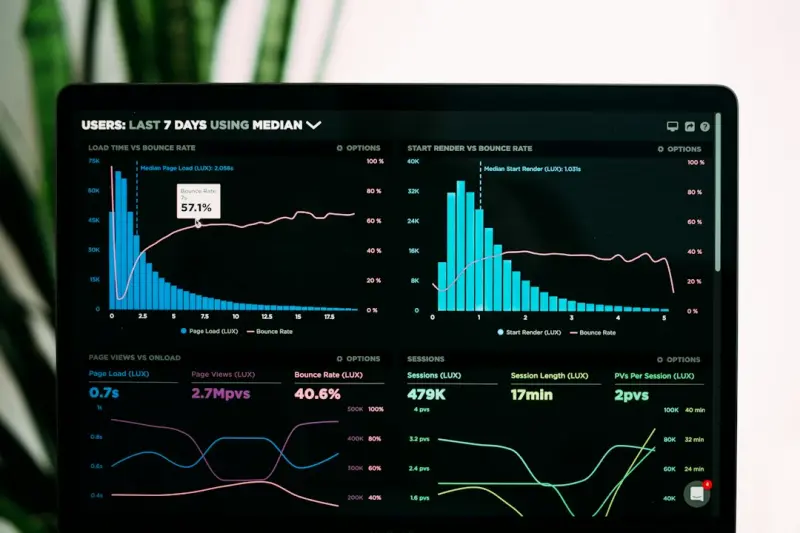
Imagine if every pump, valve, and thermostat could whisper its health status into a central dashboard. Maintenance crews would no longer wait for a failure to become visible; they’d receive a heads‑up minutes—or even days—before something went wrong. This is the promise of predictive maintenance, a discipline that combines IoT sensors, machine‑learning models, and real‑time analytics to turn raw data into actionable insight.
Key Benefits That Matter to Facility Leaders
- Reduced Downtime: Early warnings mean repairs can be scheduled during low‑impact windows.
- Lower Operating Costs: Preventing catastrophic failures avoids expensive emergency repairs and overtime labor.
- Extended Asset Life: Proactive care slows wear‑and‑tear, deferring capital replacements.
- Improved Compliance: Automated logs and alerts simplify reporting for safety and environmental regulations.
- Enhanced Sustainability: Optimized equipment runs at peak efficiency, cutting energy and water waste.
Building a Sensor‑Enabled Ecosystem
The foundation of any predictive maintenance program is reliable data. Here’s a quick inventory of the most impactful sensor types for property maintenance:
- Vibration Sensors: Detect misalignment or bearing wear in motors and pumps.
- Temperature & Humidity Sensors: Flag overheating components or moisture intrusion that could lead to mold.
- Pressure Transducers: Monitor water, steam, and gas lines for leaks or blockages.
- Airflow & CO₂ Sensors: Provide continuous insight into HVAC performance and indoor air quality.
- Acoustic Sensors: Listen for abnormal sounds in equipment—think of them as “ears” that pick up on the subtle clues a human might miss.
When these sensors feed data into a cloud platform, sophisticated algorithms can spot patterns that precede failure. For example, a slight rise in motor temperature combined with increased vibration often predicts bearing degradation weeks before it becomes audible.
Turning Data Into Insight With Advanced Analytics
Collecting data is only half the battle. The real magic happens when you apply analytics that understand the unique operating envelope of each asset. Predictive power analytics have already shown how electricity consumption trends can forecast equipment stress. By extending that concept to water flow, temperature variance, and acoustic signatures, you create a holistic view that drives smarter maintenance decisions.
Integrating Sustainability Metrics
Modern property owners demand sustainability, and predictive maintenance is a natural ally. When a chiller runs inefficiently, it consumes extra kilowatt‑hours and increases refrigerant leakage risk. By catching the inefficiency early, you not only cut utility bills but also lower greenhouse‑gas emissions. Pairing sensor data with intelligent duct hygiene analytics lets you verify that clean airflow translates into real energy savings, providing quantifiable proof for ESG reporting.
Case Study: A Mid‑Size Office Campus Reduces Maintenance Costs by 30%
One regional real‑estate firm equipped a 12‑story office building with a network of vibration, temperature, and pressure sensors. The data flowed into a machine‑learning platform that flagged a gradual pressure drop in the building’s chilled water loop. Maintenance crews accessed the alert on a mobile app, isolated the problematic valve, and replaced it during the next scheduled service window. The result? A 30% drop in unplanned HVAC repairs and a 15% reduction in overall energy consumption for that system.
The same building also integrated infrared home inspection technology into its routine audits. Infrared scans identified hidden insulation gaps and pipe insulation failures that would have otherwise gone unnoticed until a freeze‑damage event. By addressing these issues proactively, the property avoided costly water damage and tenant complaints during the cold season.
Getting Started: A Practical Roadmap
- Assess Current Assets: Catalog all mechanical, electrical, and plumbing equipment. Prioritize those with the highest maintenance spend.
- Choose the Right Sensors: Start with a pilot on critical assets. Vibration and temperature sensors often deliver the quickest ROI.
- Implement a Data Platform: Look for solutions that support open APIs, edge processing, and easy dashboard creation.
- Develop Predictive Models: Partner with data scientists or use pre‑built models that learn from historical failure data.
- Train Your Team: Ensure maintenance staff understand how to interpret alerts and act on them efficiently.
- Measure and Iterate: Track key performance indicators—downtime hours, repair costs, energy use—and refine models accordingly.
Overcoming Common Barriers
Budget Concerns: While upfront sensor costs can seem steep, the payback period is often under 12 months thanks to reduced emergency repairs and energy savings.
Data Overload: Not every data point is useful. Focus on high‑impact metrics and use automated anomaly detection to filter noise.
Change Management: Involve maintenance crews early. Show them how predictive alerts reduce grunt work and make their jobs safer.
The Future Is Already Here
Property maintenance is on the cusp of a transformation that mirrors the shift seen in manufacturing and transportation. Buildings that once relied on periodic check‑lists are evolving into self‑aware entities that continuously optimize their own performance. By embracing sensor networks, AI‑driven analytics, and sustainability‑focused KPIs, you position your portfolio to deliver lower costs, higher tenant satisfaction, and a greener footprint.
Ready to move from reactive fixes to proactive stewardship? The tools are available, the data is waiting, and the ROI speaks for itself. Start small, think big, and let your property’s own data become the most trusted member of your maintenance team.

Tom Ferguson is a Canadian freelance writer with a passion for storytelling, current events, and thoughtful commentary. Drawing on years of writing experience, he shares engaging insights on a wide range of topics, bringing a uniquely Canadian perspective to his work.
Related Posts

Circular Maintenance: Waste-to-Resource Upkeep for Modern Properties
A deep dive into circular maintenance strategies shows property managers how to repurpose waste, red... Read More

Drone‑Powered Property Maintenance: Seeing What You’ve Been Missing
Drones are redefining property maintenance by delivering fast, safe, and data‑rich inspections tha... Read More
From Reactive to Relational: Turning Property Maintenance into a Tenant‑Centric Experience
Discover a step‑by‑step framework to shift from reactive repairs to relational maintenance, turn... Read More
Top Posts

From Heat Maps to Digital Twins: The Next Evolution in Energy Inspection
A deep dive into how sensor‑rich envelopes, digital twins, AI, and drone thermography are reshaping energy inspection from periodic audits to continuous, data...Read More

Transform Your Bathroom into a Sustainable Sanctuary
A hands‑on guide to revamping your bathroom with sustainable materials, smart fixtures, and clever design tricks that save money and the planet....Read More

Revitalize Your Lawn: A Soil‑First Strategy for Thriving Grass
A soil‑first approach transforms your lawn into a resilient, low‑maintenance oasis. Learn how to test, amend, and nurture the ground beneath for lasting gre...Read More

Modular Kitchen Islands: The Secret to a Flexible, Future‑Ready Home
A modular kitchen island transforms a static workspace into a versatile hub that can adapt to remote work, entertaining, and evolving tech, offering scalability...Read More
0 Comments
Post Comment
You will need to Login or Register to comment on this post!