

Why Regenerative Landscaping Is the Next Big Shift for Property Owners
When I first stepped onto a vacant lot after a demolition project, the soil smelled of dust and loss. It was a stark reminder that the ground beneath our feet is more than a static platform—it’s a living system that can be healed, nurtured, and even turned into a revenue‑generating asset. Over the past decade, I’ve watched a quiet revolution take root in the landscaping world: the move from ornamental, maintenance‑heavy lawns to regenerative landscapes that restore ecology, cut operating costs, and boost property values.
The Core Principles of Regenerative Landscaping
Regenerative landscaping isn’t a buzzword; it’s a set of principles that guide every design decision. Below are the five pillars that keep my projects grounded in real, measurable outcomes:
- Soil Health First: Healthy soil sequesters carbon, retains water, and supports robust plant growth. It’s the foundation of any resilient landscape.
- Biodiversity Integration: Mixing native perennials, pollinator‑friendly flowers, and edible species creates habitats for insects, birds, and small mammals.
- Water Stewardship: Using rain gardens, permeable pavers, and smart irrigation reduces runoff and eases the strain on municipal water supplies.
- Resource Circularity: Reclaimed timber, recycled concrete, and upcycled stone become hardscape elements, closing the loop on material waste.
- Performance Monitoring: Sensors track soil moisture, temperature, and nutrient levels, allowing owners to fine‑tune maintenance schedules and prove ROI.
From Lawn to Living Asset: A Step‑by‑Step Transformation
Let’s walk through a typical conversion, using a medium‑sized commercial campus as an example. The goal: replace a 2‑acre, chemically‑treated lawn with a multi‑functional, low‑maintenance landscape that delivers measurable financial and environmental returns.
1. Soil Audit and Remediation
The first step is a thorough soil audit. Samples are taken at 12‑inch intervals, analyzed for pH, organic matter, compaction, and contaminant levels. In many older sites, you’ll find compaction from heavy equipment and residual herbicides. My team uses a combination of aeration, organic amendments (like composted green waste), and mycorrhizal inoculants to revitalize the soil profile.
2. Designing with Native Plants
Choosing the right plant palette is crucial. Native species are already adapted to local climate extremes, require less water, and provide food for native pollinators. For a Mid‑Atlantic site, I often select Panicum virgatum (switchgrass), Echinacea purpurea (purple coneflower), and Spiraea alba (white meadowsweet). The diversity also creates a visual rhythm that changes throughout the seasons—something a monolithic turf can never achieve.
3. Water‑Smart Infrastructure
Rainwater capture is woven into the design via bioswales and underground cisterns. These features slow runoff, filter pollutants, and store water for later use. Pairing them with a smart irrigation system that pulls real‑time weather data ensures the landscape receives only the water it truly needs.
4. Hardscape with a Circular Mindset
Traditional hardscape often relies on virgin stone or concrete, but the regenerative model embraces reclaimed materials. For pathways, we source salvaged bricks from nearby demolition sites, and for retaining walls we repurpose old timber beams that have been carefully inspected for structural integrity. This approach not only reduces landfill waste but also gives the space a narrative depth that resonates with occupants.
In fact, I once referenced Woodworking Meets Circular Design to illustrate how reclaimed wood can be transformed into elegant, load‑bearing landscape features without compromising safety.
5. Monitoring and Continuous Improvement
After installation, sensors embedded in the soil send data to a cloud dashboard. The dashboard flags moisture deficits, nutrient imbalances, or pest pressures before they become visible problems. Over time, this data creates a living baseline that can be used to benchmark future improvements and demonstrate the financial benefits of reduced water bills and lower fertilizer costs.
Financial Upside: Turning Green Into Gold
One of the biggest misconceptions about regenerative landscaping is that it’s a cost center. In reality, it can be a profit center for several reasons:
- Reduced Operational Expenses: Lower irrigation, fewer chemical applications, and decreased mowing frequency translate directly into lower utility and labor bills.
- Higher Property Valuation: Studies show that properties with high‑performing, sustainable landscapes command a premium of 3‑7% over comparable sites.
- Tax Incentives and Grants: Many municipalities offer rebates for stormwater management and native planting projects.
- Tenant Attraction and Retention: Employees and tenants increasingly value workplaces that showcase environmental stewardship, leading to higher occupancy rates.
Case Study: A Mid‑Size Office Park’s 40% Water Savings
To illustrate the impact, I’ll share a recent project for a 150,000‑square‑foot office park. The original landscape consumed 45,000 gallons of water per month. After implementing rain gardens, a smart irrigation controller, and drought‑tolerant native shrubs, water use dropped to 27,000 gallons—a 40% reduction. Over three years, the water bill savings alone exceeded $120,000, not to mention the added ecosystem services and improved employee well‑being.
Addressing Common Concerns
Clients often raise the following objections, and here’s how I address them:
- “It will look messy.” A well‑designed regenerative landscape uses layered planting schemes that provide structure, color, and texture throughout the year. The result is a dynamic, intentional “mess” that feels alive.
- “We don’t have the expertise to maintain it.” The data‑driven maintenance plan I provide turns complex horticultural tasks into simple, scheduled actions—often fewer than traditional lawn care.
- “What about upfront costs?” While there is an initial investment, the lifecycle cost analysis—factoring in water, labor, and potential tax credits—shows a payback period of 3‑5 years for most projects.
Future Trends: Integrating Tech and Ecology
The next wave of regenerative landscaping will blend AI, robotics, and advanced sensing to create self‑optimizing ecosystems. Imagine autonomous drones that pollinate flowers, or AI algorithms that predict the ideal planting mix based on projected climate shifts. While these technologies are still emerging, the groundwork we lay today—healthy soil, smart irrigation, and circular hardscape—will make those future upgrades seamless.
Getting Started: A Quick Self‑Assessment Checklist
If you’re curious whether your property is ready for a regenerative makeover, run through this short checklist:
- Do you have a documented water bill for the past 12 months? (If not, you’ll need one to measure savings.)
- Is your current lawn irrigated daily or more than twice a week?
- Do you have any existing stormwater management features (e.g., retention ponds, swales)?
- Are there any historic or aesthetic constraints that limit planting choices?
- Do you have a sustainability goal or ESG metric you’re trying to meet?
If you answered “yes” to any of these, you already have data points that can be leveraged into a robust design proposal.
Conclusion: The Landscape as a Living Business Asset
Regenerative landscaping reframes the outdoor environment from a decorative expense to a strategic asset that drives cost savings, boosts property value, and supports broader climate goals. By prioritizing soil health, biodiversity, water stewardship, and circular materials, property owners can create a resilient, beautiful space that pays dividends for decades to come. The tools are here, the data is available, and the market is rewarding those who act now. The question is: are you ready to let your land work for you?

Tom Ferguson is a Canadian freelance writer with a passion for storytelling, current events, and thoughtful commentary. Drawing on years of writing experience, he shares engaging insights on a wide range of topics, bringing a uniquely Canadian perspective to his work.
Related Posts
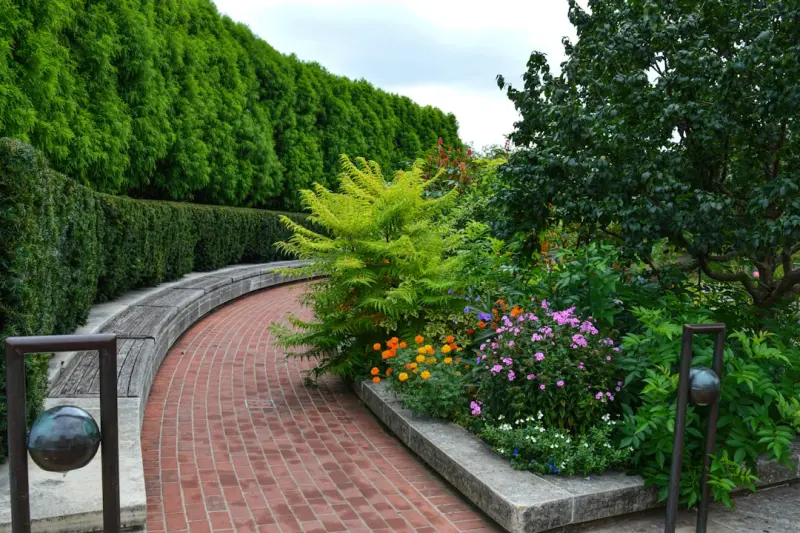
Regenerative Commercial Landscapes: Turning Pavement Into Living Assets
A deep dive into regenerative landscaping for commercial sites, revealing how modular drainage, prec... Read More

Designing Sound-Responsive Landscapes: Turning Outdoor Spaces into Auditory Experiences
Landscaping isn’t only visual; it’s auditory too. This article reveals how strategic plantings, ... Read More
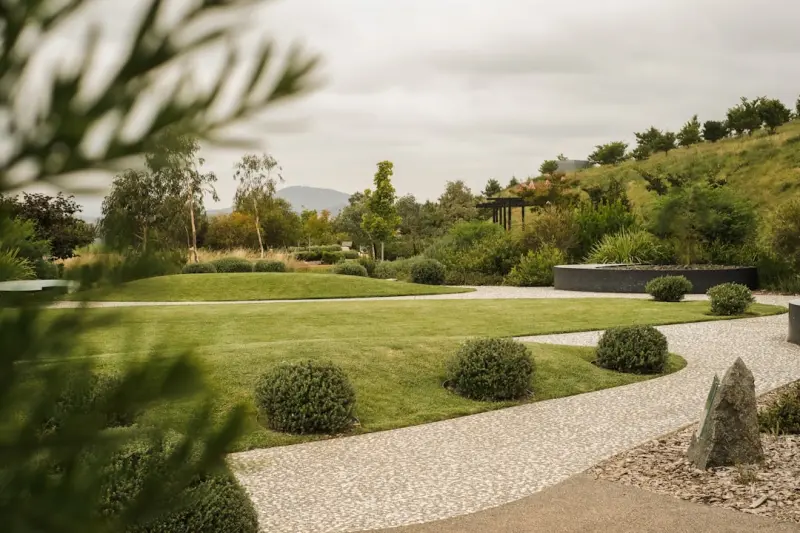
Designing Sensory and Edible Gardens: A Holistic Landscape Blueprint
Explore a holistic approach to landscaping that engages all five senses, blends edible plants with a... Read More
Top Posts

Carbon‑Negative Concrete: How the Industry Is Rewriting Its Green Playbook
Concrete is undergoing a climate makeover. By swapping traditional cement for low‑carbon binders, capturing CO₂ during curing, and using waste aggregates, b...Read More

Intelligent Masonry: Building Smarter Walls
Masonry is transitioning from a traditional, static material to a dynamic, data‑enabled building component. By embedding sensors, using low‑carbon bricks, a...Read More
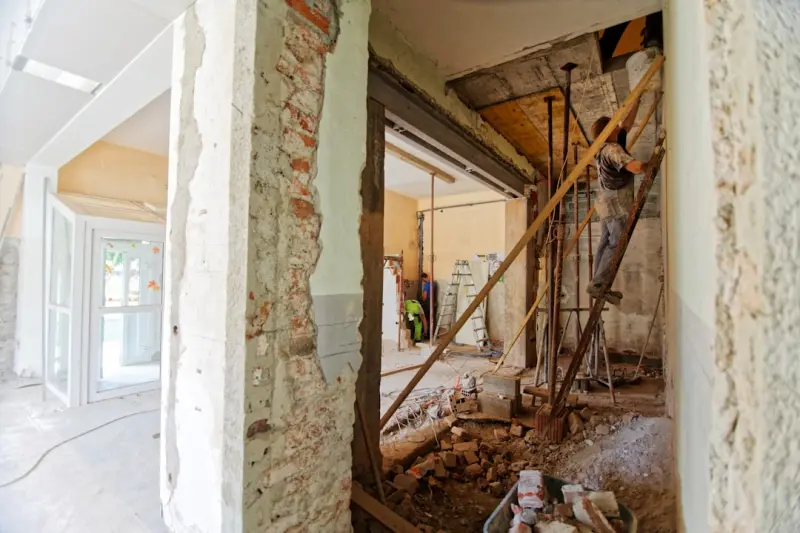
How AI is Transforming Foundation Repair for the Modern Builder
Foundation repair is moving from reactive fixes to proactive, data‑rich strategies. Learn how AI, continuous monitoring, smart waterproofing, and robotics are...Read More

Design‑Build Meets Circular Economy: Building for Tomorrow’s Resources
Explore a fresh design‑build approach that integrates circular economy tactics—from material inventories and digital twins to design for disassembly—offer...Read More
0 Comments
Post Comment
You will need to Login or Register to comment on this post!