
Why Your Lawn Needs a Micro‑Biology Makeover
When most homeowners think about lawn care, the mental picture is usually a quick spray of fertilizer, a push‑mower ritual, and a watering can that’s been calibrated by trial and error. I used to be that person—until a backyard experiment with a handful of compost tea sparked a revelation: the health of a lawn is less about surface‑level aesthetics and more about the invisible ecosystem thriving beneath each blade of grass. This isn’t a gimmick; it’s a science that’s quietly reshaping how we nurture turf. By treating your lawn as a living, breathing biome, you unlock resilience, reduce water usage, and even contribute to carbon sequestration—all without sacrificing that picture‑perfect green.
The Soil Microbiome: The Unsung Hero of Turf
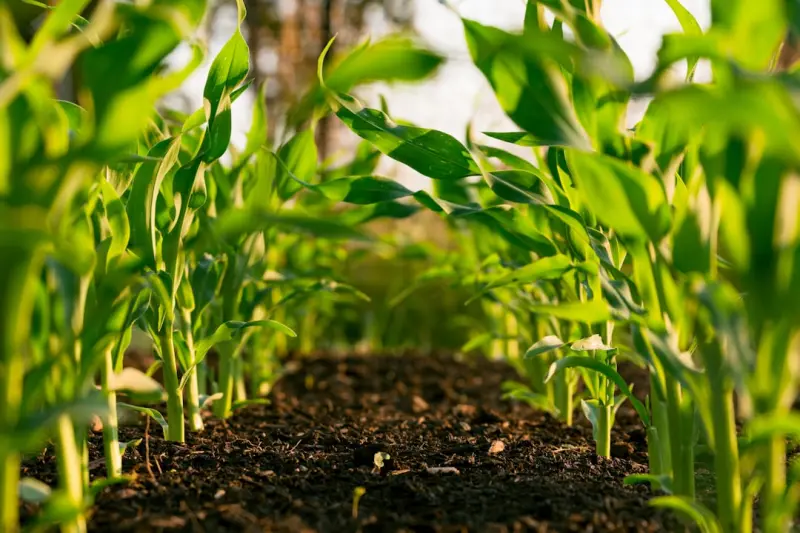
The soil microbiome is a bustling metropolis of bacteria, fungi, protozoa, and archaea that work together to break down organic matter, lock in nutrients, and improve structure. When this underground community is diverse and active, it creates a self‑regulating environment that naturally suppresses weeds, mitigates pests, and optimizes moisture retention. Think of it as the “smart home” of your yard, where each micro‑organism communicates through chemical signals, adjusting to seasonal changes and human interventions alike.
From “One‑Size‑Fits‑All” to Soil‑Specific Strategies
Traditional lawn care treats every yard as if it were the same plot of land. The reality is far more nuanced. Soil texture (sand, silt, clay), pH levels, organic matter content, and local climate all dictate which microbes will thrive. The first step in a microbiome‑centric approach is a simple soil test—something you can do with a DIY kit or a professional lab. Look for:
- pH range: Most cool‑season grasses prefer 6.0‑7.0; warm‑season grasses favor 6.5‑7.5.
- Organic matter: Aim for at least 3‑5% to feed beneficial microbes.
- Micronutrient balance: Calcium, magnesium, and iron influence microbial activity.
Armed with this data, you can customize amendments—whether it’s adding lime to raise pH or incorporating finely ground compost to boost organic content.
Compost Tea: The Microbial Espresso Shot
One of the most accessible ways to inoculate your lawn with beneficial microbes is through compost tea. This isn’t the sugary iced drink you might sip on a summer patio; it’s a aerated, nutrient‑rich liquid brewed from high‑quality compost. The brewing process encourages aerobic bacteria and fungi to multiply rapidly, creating a potent “espresso shot” for your soil.
To make compost tea:
- Fill a 5‑gallon bucket with non‑chlorinated water and let it sit overnight to dissipate chlorine.
- Add 1‑2 cups of mature compost (no fresh kitchen scraps) and a mesh bag of unsulfured molasses for food.
- Aerate the mixture with an aquarium pump for 24‑48 hours, stirring occasionally.
- Apply the tea to your lawn during early morning or late evening, when temperatures are cooler.
The result is a surge of microbial activity that improves nutrient uptake, enhances disease resistance, and creates a denser, greener turf.
Water Management: Let the Microbes Do the Work
Over‑watering is the bane of every lawn enthusiast. Not only does it waste a precious resource, but it also suffocates the aerobic microbes that keep soil structure intact. By fostering a robust microbiome, you naturally improve the soil’s water‑holding capacity. The key is to water deeply but infrequently, allowing the top 6‑8 inches of soil to dry between sessions. This mimics natural rainfall patterns, encouraging deep root growth and giving microbes the oxygen they need.
For those who love technology, smart irrigation controllers can be calibrated using soil moisture sensors. These devices adjust watering schedules based on real‑time data, ensuring you never over‑ or under‑water. Think of it as a smart HVAC solution for your yard—delivering just the right amount of moisture exactly when it’s needed.
Grass Species Selection: Aligning with the Microbiome
Choosing the right grass species for your region is more than an aesthetic decision; it’s an ecological one. Native grasses are already adapted to local soil microbes, requiring fewer inputs and providing better drought tolerance. If you’re in a temperate zone, consider Kentucky bluegrass, perennial ryegrass, or fine fescues. In warmer climates, Bermuda, Zoysia, and St. Augustine thrive when paired with the right microbial partners.
When you blend a native species with a well‑balanced microbiome, you create a synergistic relationship where the grass supplies carbohydrates to the microbes, and the microbes, in turn, enhance nutrient availability and disease suppression.
Carbon Sequestration: Your Lawn as a Climate Ally
Healthy soils are carbon sinks. By increasing organic matter and fostering microbial activity, you lock away atmospheric CO₂ in the form of stable soil organic carbon. A well‑managed lawn can sequester up to 0.5 tons of carbon per acre annually—a modest but meaningful contribution to climate mitigation. Moreover, a carbon‑rich soil improves water infiltration and reduces runoff, creating a virtuous cycle of environmental benefits.
Integrated Pest Management (IPM) Meets Microbiology
Instead of reaching for broad‑spectrum insecticides, an IPM approach leverages the soil microbiome to keep pests in check. Certain beneficial fungi, such as Trichoderma, outcompete pathogenic fungi and deter insect larvae. Introducing these microbes through compost tea or specialized inoculants can dramatically reduce the need for chemical interventions.
Monitoring for early signs of stress—discoloration, uneven growth, or excessive thatch—allows you to intervene with targeted microbial solutions before resorting to synthetic chemicals.
Seasonal Microbial Maintenance
Microbial communities fluctuate with temperature and moisture. To keep your lawn’s microbiome robust year‑round, adopt a seasonal schedule:
- Spring: Apply a light compost tea after the last frost to jump‑start microbial activity.
- Summer: Focus on deep, infrequent watering and occasional tea applications to combat heat stress.
- Fall: Aerate the lawn and spread a thin layer of compost to replenish organic matter before winter dormancy.
- Winter: Minimize foot traffic and avoid excessive salt use on walkways, which can harm soil microbes.
Case Study: From Brown Patches to Lush Carpet
One of my clients, a suburban homeowner with a 2,500‑sq‑ft lawn plagued by brown patches, decided to try a microbiome‑first approach. After a soil test revealed low organic matter and a pH of 5.6, we:
- Applied lime to raise the pH to 6.5.
- Incorporated a ¼‑inch layer of screened compost and lightly scarified the surface.
- Implemented a weekly compost tea regimen for six weeks.
- Switched to a smart irrigation controller calibrated with a moisture sensor.
Within two months, the brown patches faded, the grass density increased, and water usage dropped by 30%. The homeowner later reported fewer weed invasions and a lawn that stayed green even during a dry spell.
Bridging the Gap: From DIY to Professional Services
If the idea of managing a soil microbiome feels overwhelming, many local landscaping firms now offer “soil health” packages that include testing, customized amendment plans, and regular microbial inoculation services. These professionals often partner with agronomy labs to deliver data‑driven recommendations—mirroring the precision you see in predictive mold removal technologies used in commercial buildings.
Whether you go the DIY route or enlist expert help, the core principle remains the same: prioritize the living foundation of your lawn.
Looking Ahead: The Future of Lawn Care
As climate patterns shift and water scarcity becomes a pressing concern, the lawn care industry is gravitating toward sustainable, biology‑focused solutions. Emerging technologies—such as DNA‑based soil diagnostics and AI‑driven microbial forecasting—promise to make microbiome management even more precise. Imagine a future where a smartphone app tells you exactly which microbes are missing from your soil and suggests a tailored tea recipe. That future is already on the horizon, and early adopters will reap the benefits of healthier, more resilient lawns.
In the meantime, the power to transform your yard lies in your hands (and a little compost). By embracing the soil microbiome, you’re not just creating a greener lawn; you’re cultivating a thriving ecosystem that supports your home, your community, and the planet.

When it comes to the world of blogging and writing, Rose DesRochers is a name that stands out. Her passion for creating quality content and connecting with her audience has made her a trusted voice in the industry. Aside from her skills as a writer and blogger, Rose is also known for her compassionate nature.
Related Posts
Biodiverse Lawns: Turning Grass into a Living Asset
Learn practical steps to replace a monoculture lawn with a resilient, biodiversity‑rich turf that ... Read More

Unlocking a Thriving Lawn with Soil Microbiomes and Smart Care
Learn to nurture the hidden ecosystem beneath your grass with soil tests, compost teas, and deep wat... Read More
Sustainable Lawn Care Secrets from a Veteran Contractor
Learn how a seasoned contractor transforms ordinary lawns into sustainable, low‑maintenance landsc... Read More
Top Posts

Designing a Dual‑Purpose Kitchen for Cooking and Remote Work
Explore how to turn your kitchen into a dual‑purpose hub that blends culinary creativity with a productive home office, featuring modular islands, smart techn...Read More

Modular Decks: Redefining Outdoor Space for Modern Living
Discover why modular decks are becoming essential for city dwellers, health-conscious homeowners, and entrepreneurs, offering adaptable design, sustainability, ...Read More

The Impact of Sustainable Garage Doors on Home Energy Efficiency
Sustainable garage doors play a significant role in maintaining a home's energy efficiency and reducing environmental impact. Learn how to choose the right door...Read More

Designing Sensory Architecture: How Tactile, Light, and Sound Shape Tomorrow’s Spaces
Discover the power of sensory architecture—using touch, light, and sound—to create adaptable, human‑focused spaces that blend heritage, technology, and su...Read More
0 Comments
Post Comment
You will need to Login or Register to comment on this post!