
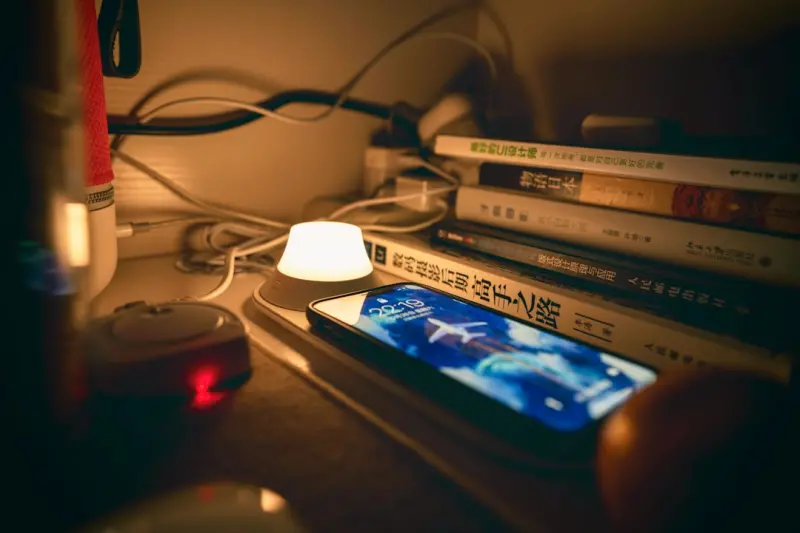
When you walk into a room, the first thing you notice isn’t the furniture or the paint color—it’s the light. Light shapes how we feel, how we work, and even how much we spend on energy each month. Yet most homeowners treat lighting as an afterthought, relying on a single ceiling fixture or a handful of lamps. This post dives deep into the art and science of layered home lighting, showing you how to create a flexible, mood‑enhancing, and energy‑smart environment without breaking the bank.
Why Light Matters More Than You Think
Light does three critical jobs in a home:
- Functional illumination: It lets you see what you’re doing, whether you’re chopping vegetables or reading a contract.
- Atmospheric shaping: Warm hues calm the mind, while cooler tones can boost alertness.
- Energy impact: Poorly designed lighting can waste up to 30% of a household’s electricity bill.
Understanding these roles lets you move from a “one‑size‑fits‑all” approach to a strategic, layered system that works with your daily rhythms.
The Three Layers of Light: A Blueprint for Every Room
Think of lighting as a three‑part orchestra. Each layer plays a distinct role, but together they create a harmonious experience.
1. Ambient (The Foundation)
Ambient light provides the overall illumination for a space. It should be even, soft, and free of harsh shadows. The goal is to make the room feel safe and welcoming without glare.
- Use recessed LEDs with dimmers to control brightness throughout the day.
- Consider ceiling‑mounted fixtures with diffusers for a uniform glow.
- In rooms with high ceilings, add a low‑profile pendant to keep light close to the living plane.
2. Task (The Spotlight)
Task lighting zeroes in on activities that demand visual precision. It’s the bright beam over a kitchen island, a desk lamp for late‑night work, or a vanity light for grooming.
- LED strip lights under cabinets illuminate countertops without adding bulk.
- Adjustable arm lamps give you flexibility for reading corners or hobby stations.
- Choose a color temperature between 4000K‑5000K for tasks that require focus.
3. Accent (The Mood‑Setter)
Accent lighting adds drama and personality. It highlights artwork, architectural features, or creates a cozy nook for relaxation.
- Track lighting or wall‑mounted uplights can draw attention to a textured wall.
- LED candles or smart bulbs with color‑changing capabilities set the tone for evenings.
- Use dimmers or voice‑controlled systems to shift from “work mode” to “unwind mode” with a single command.
Designing a Layered Light Plan: Step‑by‑Step
Below is a practical roadmap to transform any room from flat to dynamic.
- Assess the room’s purpose: List primary activities (cooking, studying, entertaining) and note the times they occur.
- Map out light zones: Sketch the layout and allocate zones for ambient, task, and accent fixtures.
- Choose fixtures wisely: Opt for ENERGY STAR‑rated LEDs; they last longer and consume less power.
- Integrate controls: Install dimmers, motion sensors, and smart hubs to automate lighting based on occupancy and daylight.
- Test and tweak: Live in the space for a week, observe how the light feels at different times, and adjust brightness or placement as needed.
Smart Controls: The Quiet Power Behind the Scenes
While the post isn’t about HVAC or security, it’s impossible to ignore the impact of smart home ecosystems on lighting. A unified hub can coordinate lights with blinds, thermostats, and even the home safety ecosystem. Imagine lights that automatically brighten when the front door unlocks, or dim to a soft glow when your security system arms for night mode. These subtle cues reinforce a sense of safety and control without adding visual clutter.
Leveraging Natural Light: The Freeest Resource
Before you install the first fixture, audit the daylight each room receives. Sunlight not only reduces reliance on artificial light but also boosts mood and circadian rhythms.
- Window orientation: South‑facing windows (in the northern hemisphere) capture the most light; north‑facing windows provide consistent, diffuse light.
- Sheer curtains: They soften harsh glare while preserving luminosity.
- Light‑reflective surfaces: Light‑colored walls, glossy finishes, and mirrors bounce daylight deeper into the room.
Strategically pairing daylight with dimmable LEDs can cut energy usage dramatically. For example, a living room that receives ample morning sun may only need a low‑level ambient setting after sunset.
Energy Savings: Quantifying the Impact
Let’s break down potential savings with a simple model:
- A typical 60‑watt incandescent bulb consumes 60 W. Replacing it with a 10‑watt LED provides the same light output for one‑sixth the power.
- If a household uses 20 such bulbs for 4 hours daily, the annual energy reduction is: (60 W – 10 W) × 20 bulbs × 4 h × 365 days ≈ 40 kWh, translating to roughly $5–$6 on the electric bill.
- Adding motion sensors in infrequently used spaces (closets, laundry rooms) can shave another 5–10% off the lighting load.
These figures illustrate that even modest upgrades compound into noticeable savings over time.
DIY Accent Ideas on a Budget
Not everyone wants to invest in high‑end fixtures right away. Here are three low‑cost accent solutions that still deliver a premium feel:
- LED strip under shelving: Peel‑and‑stick strips add a floating glow that highlights books or décor.
- Battery‑powered puck lights: Perfect for creating a soft halo around a bedside headboard.
- Repurposed vintage bulbs: Pair an Edison‑style bulb with a simple clamp fixture for an industrial chic vibe.
Maintenance Tips to Keep Light Performing
Even the best LEDs lose brightness over time. Follow these habits to extend their lifespan:
- Clean fixtures quarterly with a microfiber cloth to prevent dust buildup.
- Check dimmer compatibility; mismatched dimmers can cause flickering or reduced output.
- Replace any flickering bulbs promptly—it's often a sign of a failing driver.
Integrating Light with Home Décor: A Cohesive Aesthetic
Lighting isn’t just functional; it’s a design element. Coordinate fixture finishes with other hardware (door handles, cabinet pulls) for a unified look. If your kitchen sports matte black cabinets, opt for brushed black pendant lights. In a farmhouse‑style living room, matte brass sconces can echo the rustic hardware on the fireplace mantel.
Case Study: Turning a Dark Home Office into a Productivity Hub
Emily, a freelance graphic designer, struggled with eye strain and low energy in her home office, which was lit solely by a single overhead fluorescent tube. By applying the layered lighting framework, she transformed the space:
- Ambient: Installed a dimmable recessed LED grid (3000 lumens total) to provide even coverage.
- Task: Added a high‑CRI (Color Rendering Index 95) LED desk lamp with adjustable arm.
- Accent: Placed a soft‑glow LED strip behind the monitor to reduce eye fatigue during late‑night sessions.
The result? A 25% reduction in reported eye strain and a measurable boost in hourly productivity, according to her self‑tracked project logs.
Future‑Proofing Your Lighting
Technology evolves, but the fundamentals of good lighting remain steady. When planning upgrades, keep these long‑term considerations in mind:
- Modular fixtures: Choose designs that allow easy swapping of LED modules without rewiring.
- Scalable controls: A hub that supports additional devices (e.g., smart blinds) will keep your system cohesive as you expand.
- Firmware updates: Opt for brands that provide OTA (over‑the‑air) updates to improve performance and security.
Bringing It All Together: Your Personalized Light Blueprint
Take a moment to visualize your ideal home environment. Picture the warm glow of a reading nook, the crisp illumination over a kitchen island, and the soft ambient wash that makes your living room feel inviting. Now, map each of those experiences to the three lighting layers. Use the step‑by‑step plan above, incorporate smart controls where it makes sense, and lean on natural daylight whenever possible.
When you execute a thoughtful lighting strategy, you’ll notice immediate benefits: reduced energy bills, improved mood, and a home that feels more intentional. Light, after all, is the silent conductor of the daily rhythm—tune it well, and every room will perform at its best.
Ready to dive deeper into DIY upgrades? Check out handyman techniques that turn every corner into cash for budget‑friendly ways to enhance both aesthetics and value across your property.

William Roy is a freelance writer originally from Montreal who moved to Ottawa with his wife of 50 years to be closer to their grandkids. Alongside his writing, William has a passion for fishing.
Related Posts
Crafting a Welcoming Entryway: Practical Tips for a Functional First Impression
Discover a step‑by‑step guide to redesigning your entryway, focusing on decluttering, smart stor... Read More

Smart Home Hacks: Everyday Tweaks That Transform Comfort and Efficiency
Learn how simple, low‑cost adjustments in lighting, storage, and ventilation can dramatically impr... Read More
Turn Your Home Into a Calm Retreat Without Major Renovations
Simple, affordable tweaks—like smart lighting, hidden storage, and soothing scents—can turn any ... Read More
Top Posts

Digital Grain Mapping: Turning Timber Insight into Craftsmanship Gains
A data‑driven approach to wood grain analysis is reshaping the craft, helping makers cut waste, improve finish quality, and create stronger, more sustainable ...Read More

Subscription Handyman Services: Turning One‑Off Repairs into Ongoing Home Care
Handyman work is shifting from reactive fixes to subscription models, offering homeowners continuous maintenance, predictable costs, and proactive issue detecti...Read More

Transforming Your Garage into a Sustainable Energy Hub
Explore how to convert a traditional garage into a clean‑energy hub with solar canopies, EV charging, battery storage, smart automation, and durable, eco‑fr...Read More

Breathing New Life into Historic Woodwork: A Craftsman's Restoration Guide
Discover a step‑by‑step guide to restoring crown molding, trim, and other original wood details, blending timeless craftsmanship with modern durability....Read More
0 Comments
Post Comment
You will need to Login or Register to comment on this post!