
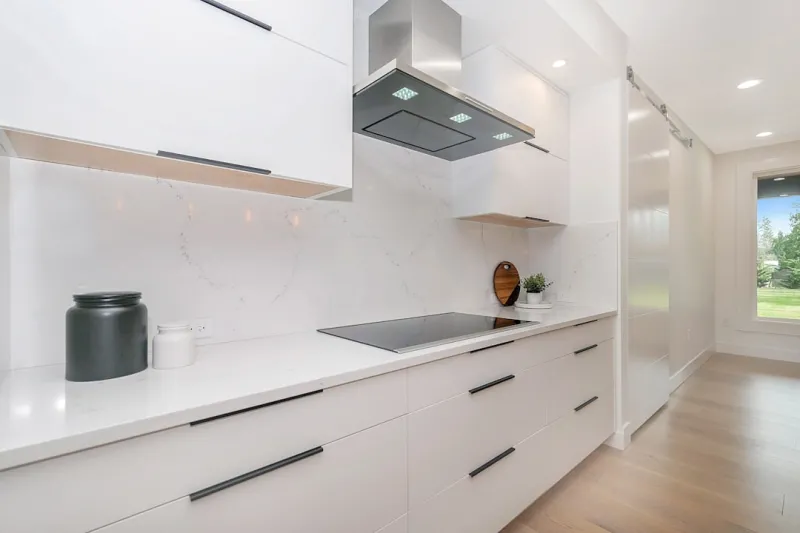
Stepping into a kitchen that feels like a personal manifesto is the dream that drove my latest renovation, and I’m thrilled to share every twist, triumph, and tiny hiccup that shaped the space. Over the past months I treated the project like a living lab, testing sustainable products, re‑thinking layouts, and refusing to settle for cookie‑cutter solutions that ignore both style and planet. What emerged is a kitchen that sings with natural light, hums with quiet efficiency, and invites family gatherings without the guilt of wasteful design.
From Blueprint to Reality: The Planning Phase
Before the first cabinet was ordered, I spent weeks mapping out a detailed floor plan that balanced traffic flow, work zones, and the emotional rhythm of cooking for my family; this meant sketching three‑dimensional pathways on a tablet and walking them in the empty shell of the house. I also ran a quick audit of my home’s energy footprint, pulling data from my utility bills and the recent Quiet Revolution post to pinpoint where a kitchen upgrade could shave off the biggest chunk of waste. The resulting plan prioritized a compact “work triangle,” maximized natural daylight, and earmarked space for a future‑proofed appliance suite that could evolve with technology.
Choosing Sustainable Materials Without Sacrificing Style
When it came to surfaces, I was adamant that durability and eco‑friendliness could coexist with the sleek aesthetic I adore; reclaimed hardwood, low‑VOC finishes, and recycled glass countertops became my go‑to choices, each offering a story as rich as the grain of the wood itself. I sourced reclaimed timber from a local salvage yard, which not only reduced the demand for virgin lumber but also gave my cabinets a patina that would have taken years to develop naturally. For the countertop, a blend of recycled glass and concrete provided a resilient, heat‑resistant surface while reflecting the subtle sparkle of sunlight that streams through the new skylight.
Cabinetry, Storage Solutions, and the Art of Hidden Function
Modern kitchens demand clever storage, so I opted for modular, soft‑close cabinets with pull‑out pantry drawers that keep spices, grains, and even reusable containers within arm’s reach yet out of sight. The interiors are lined with bamboo shelves—a rapidly renewable material that’s surprisingly sturdy and adds a warm, organic hue to the interior. To further cut down on clutter, I installed a hidden appliance garage behind a panel that slides open with a gentle push, allowing my oven and microwave to disappear when not in use, preserving a clean visual line that feels both minimalist and inviting.
Lighting the Way: Natural and Artificial Harmony
Lighting design was a balancing act between ambient daylight, task illumination, and mood‑setting accents, all while keeping energy consumption low; I layered LED strip lighting under cabinets, pendant lights with dimmable drivers, and a series of strategically placed skylights that flood the room with sunrise tones. The LED fixtures are rated for a 50,000‑hour lifespan, meaning they’ll outlast most homeowners’ ten‑year plans and reduce the frequency of replacements. I also added motion‑sensor switches in the pantry and under‑cabinet areas, ensuring lights only shine when needed and further trimming the electric bill.
Appliance Choices: Investing in Energy‑Efficient Performance
Every major appliance in my new kitchen carries the ENERGY STAR badge, but I went a step further, selecting models that boast smart‑connect capabilities, allowing me to monitor usage, set timers, and receive maintenance alerts directly on my phone. The induction cooktop, for instance, heats pans up to 70% faster than traditional electric coils, and its precise temperature control minimizes wasted heat that would otherwise rise into the kitchen air. Meanwhile, the built‑in refrigerator features a vacuum‑insulated door and a recyclable stainless‑steel exterior, marrying cutting‑edge efficiency with a sleek, timeless look.
Flooring Foundations: Warmth, Comfort, and Sustainable Warmth
Choosing the right floor was both a design and a comfort decision; I settled on sustainably harvested cork flooring that offers a soft, resilient surface perfect for standing long hours, while also acting as a natural insulator. To amplify the cozy factor during winter, I paired the cork with a discreet underlay of Radiant Floor Heating, which circulates warm water beneath the floorboards, delivering even heat without the draft of forced‑air systems. This combination not only reduces my reliance on the furnace but also creates a gentle, foot‑friendly warmth that makes early‑morning coffee prep feel like a gentle embrace.
Backsplash, Countertops, and the Finishing Touches
The backsplash serves as both a protective barrier and a canvas for creative expression; I chose hand‑tiled, recycled ceramic tiles in a muted sage hue that echo the greenery outside and tie the room together visually. For the countertop edge, I opted for a softened bullnose profile, which reduces chipping risk and adds a subtle, ergonomic curve that feels natural under my wrists during prep work. Small details—like brass hardware on drawers, a reclaimed wooden cutting board displayed on a wall-mounted rack, and a set of glass‑jar spice containers—infuse personality while reinforcing the sustainable narrative.
Ventilation, Air Quality, and Weather‑Proofing the Kitchen
Good ventilation is the unsung hero of any kitchen, so I installed a high‑efficiency, low‑noise range hood equipped with a carbon‑filter system that captures grease and odors without exhausting warm air to the outside. This system works in tandem with a whole‑home air‑exchange unit I referenced in my Weather‑Proof Your Home guide, ensuring fresh, filtered air circulates while maintaining consistent indoor temperatures. By sealing gaps around windows and doors, I also prevented drafts that could undermine the heating system, creating a comfortable environment that stays energy‑smart year‑round.
Wrapping Up: Timeline, Budget Tips, and Final Reflections
The entire renovation spanned roughly eight weeks, a timeline I kept realistic by allowing extra days for material deliveries and unexpected adjustments, such as re‑routing a plumbing line that conflicted with an ideal cabinet placement. Budget‑wise, I saved up to 20% by repurposing salvaged materials, leveraging tax credits for energy‑efficient appliances, and negotiating bulk discounts with local suppliers—strategies I previously detailed in Transforming My Bathroom. The result is a kitchen that feels alive, sustainable, and uniquely mine, inviting daily culinary adventures while honoring the planet, and I hope my journey inspires you to craft a space that truly reflects your values.

Kelly Reynolds is a dynamic freelance writer hailing from the picturesque landscapes of Alberta. A master of the written word, she juggles her passion for storytelling with the exhilarating chaos of being a mother to five spirited children. With an impressive portfolio that spans various genres, Kelly captivates readers through her engaging blog posts and thought-provoking articles.
Related Posts
The Ultimate Guide to Kitchen Renovations: Transforming Your Space with Style and Functionality
Kitchen renovations can transform your cooking space into a beautiful and efficient area. Learn how ... Read More
Quiet Kitchen Renovations: How Sound Design Transforms Your Cooking Space
Explore the art of quiet kitchen renovations, blending sound‑absorbing materials, biophilic design... Read More

From Blueprint to Bounty: Crafting a Sustainable Kitchen Renovation That Feels Like Home
Explore a step‑by‑step, sustainable kitchen renovation guide that blends modern design, smart te... Read More
Top Posts

The Art of Home Restoration: A Comprehensive Guide
Home restoration is a journey that requires patience, dedication, and expertise. Learn about the importance of professional help, renovation techniques, and key...Read More
Designing a Year‑Round Backyard Oasis: Sheds and Gazebos That Work With Nature
Tom Ferguson shows how to turn a simple shed or gazebo into a weather‑proof backyard hub, using sustainable materials, passive solar tricks, and smart shading...Read More

Deck‑Enabled Micro‑Retreats: Crafting a Personal Wellness Oasis
A guide to turning your deck into a personal wellness oasis, blending nature, technology, and design for year‑round mental and physical health benefits....Read More
Beyond Shades: Crafting Window Treatments That Reflect Your Lifestyle
Learn how to turn ordinary windows into statements of style and function, with tips on light, fabric, sustainability, and easy DIY updates that fit any budget....Read More
0 Comments
Post Comment
You will need to Login or Register to comment on this post!