
Why Acoustic Wallpaper Deserves a Spot on Your Design Radar
When most people think about wallpaper, the first images that pop into mind are bold patterns, vintage florals, or a quick way to add visual flair to a bland wall. Yet there’s a silent revolution happening behind the scenes—literally. Acoustic wallpaper, a blend of sound‑absorbing technology and decorative surface, is turning ordinary partitions into performance‑enhancing assets. For designers, facility managers, and forward‑thinking contractors, this is more than a pretty finish; it’s a strategic tool that tackles noise, supports brand storytelling, and even creates a fresh revenue stream.
The Noise Problem Nobody Talks About (Enough)
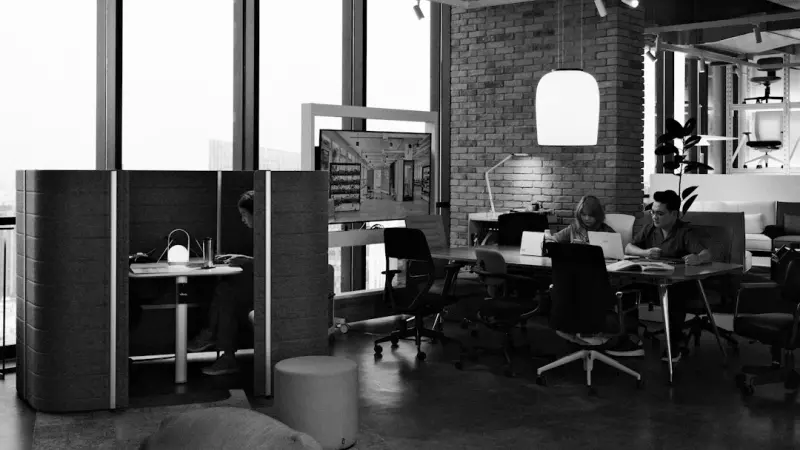
Open‑plan offices, collaborative coworking hubs, and even modern retail showrooms share a common challenge: sound. Uncontrolled reverberation can erode productivity, elevate stress, and dilute the customer experience. Traditional acoustic solutions—acoustic ceiling tiles, bulky panels, or heavy drapes—often clash with a brand’s visual language. The result is a compromise between aesthetics and functionality.
Acoustic wallpaper bridges that gap. Engineered with porous, fibrous backings or micro‑perforated layers, these wallcoverings absorb mid‑ to high‑frequency sounds while delivering a seamless visual finish. The technology is surprisingly simple: a thin, lightweight substrate infused with sound‑dampening fibers, laminated to a decorative face. The end product is a wall that looks good and sounds good.
How It Works: The Science Made Simple
- Porous Core – The heart of acoustic wallpaper is a breathable core, often made from recycled polyester, mineral wool, or cellulose. The tiny pores trap sound waves, converting acoustic energy into tiny amounts of heat.
- Decorative Surface – A printable, washable fabric or vinyl layer sits on top, giving designers the freedom to choose patterns, textures, and colors that align with brand identity.
- Thin Profile – Unlike traditional acoustic panels that can be several centimeters thick, acoustic wallpaper adds less than a millimeter to wall depth, preserving the room’s dimensions.
- Installation Flexibility – Most products can be applied with standard wallpaper adhesives, making them accessible to both DIY enthusiasts and professional installers.
Design Opportunities That Go Beyond Noise Reduction
Noise control is just the opening act. The true power of acoustic wallpaper lies in its ability to become a canvas for brand narrative.
1. Story‑Driven Patterns
Imagine a tech startup whose core values revolve around connectivity. A subtle circuit‑board motif, rendered in a muted palette, can reinforce that message every time an employee glances at the wall—while simultaneously dampening the chatter from a neighboring meeting room.
2. Color Psychology Meets Acoustics
Colors influence mood, but they also affect perceived acoustics. Darker hues tend to make spaces feel more intimate, while lighter shades open them up. Pairing a calming teal with an acoustic substrate can create a “quiet oasis” in a bustling call‑center environment.
3. Seasonal & Campaign Flexibility
Because the decorative layer is essentially a print, it can be swapped out with relative ease. Seasonal campaigns, product launches, or even pop‑up events can be reflected in a fresh wall design without a full demolition and rebuild.
Business Benefits for Contractors and Designers
From a commercial standpoint, acoustic wallpaper offers a compelling value proposition:
- Higher Margins – Combining sound control and aesthetics in a single product allows contractors to charge a premium over the sum of separate acoustic panels and decorative wallcoverings.
- Reduced Labor Hours – Installation mirrors traditional wallpaper hanging, meaning crews can finish projects faster than when they need to mount bulky panels.
- Cross‑Sell Potential – Designers can bundle acoustic wallpaper with lighting plans, furniture layouts, or branding packages, creating comprehensive “experience design” proposals.
- Eco‑Friendly Angle – Many manufacturers use recycled fibers, which resonates with sustainability‑focused clients and can earn LEED points.
Choosing the Right Product: A Quick Guide
Not all acoustic wallpapers are created equal. Here’s a checklist to help you navigate the market:
- Noise Reduction Rating (NRC) – Look for an NRC of 0.40 or higher for noticeable impact in office settings.
- Fire Rating – Ensure the product meets local fire safety codes (e.g., Class A or B).
- Washability – For high‑traffic areas, a washable surface extends the life of the installation.
- Environmental Certifications – Certifications like GREENGUARD or FSC indicate a healthier, greener product.
- Design Library – A broad library of patterns and colors allows you to stay on brand without resorting to custom prints, which can add cost and lead time.
Real‑World Applications: Case Studies
Co‑Working Space: Reducing “Coffee Shop” Echo
A metropolitan co‑working hub struggled with echo in its open lounge. By installing acoustic wallpaper featuring a subtle geometric pattern in the brand’s signature orange, the space achieved a 45% reduction in reverberation time. Employees reported a 30% increase in perceived concentration, and the venue marketed the upgrade as a “quiet‑friendly design”.
Retail Showroom: Amplifying Brand Narrative
A luxury watch retailer wanted to convey precision and serenity. They opted for a deep‑navy acoustic wallpaper with a faint, repeating wave motif. The wall not only muted ambient music bleed but also became a visual anchor that guided customers through the buying journey. Sales staff noted longer dwell times at the feature wall, translating into higher conversion rates.
Healthcare Facility: Enhancing Patient Comfort
In a pediatric clinic, bright, cheerful patterns are essential, but noise control is equally critical. Acoustic wallpaper with a playful animal print was installed in waiting rooms, cutting down on hallway chatter that often agitates young patients. Parents reported a calmer atmosphere, and the clinic received positive feedback in post‑visit surveys.
Integrating Technology Without Going “Smart”
While the industry is buzzing about “smart walls”, acoustic wallpaper offers a low‑tech, high‑impact solution that doesn’t rely on electronics or Wi‑Fi. However, you can still blend it with technology for an enhanced experience. For instance, pairing acoustic walls with light‑modulating window treatments can create a harmonious environment where both sound and light are optimized for wellbeing.
Another clever integration is using a QR code embedded subtly within the wallpaper design. Visitors can scan the code to learn about the material’s sustainability credentials, reinforcing a brand’s commitment to green practices without adding visible tech clutter.
Cost Considerations: Budgeting for Impact
Acoustic wallpaper typically falls between $30 and $70 per square meter, depending on performance rating and design complexity. Compared to traditional acoustic panels, which can cost $80–$150 per square meter plus mounting hardware, wallpaper presents a cost‑effective alternative. Moreover, the dual functionality reduces the need for separate decorative finishes, compressing overall project spend.
Future Outlook: Where Is This Heading?
As open work environments become the norm and brand storytelling grows more immersive, the demand for walls that do more than look good will rise. Acoustic wallpaper sits at the intersection of design, health, and sustainability—a trifecta that aligns with the evolving priorities of modern enterprises.
For contractors looking to differentiate their service offering, mastering the installation and specification of acoustic wallpaper could become a signature competency. For designers, the medium unlocks a new palette where acoustics inform aesthetics, turning constraints into creative catalysts.
Getting Started: Your First Step
If you’re intrigued, start with a pilot. Identify a high‑traffic area where noise is a known pain point and where a visual refresh would be welcomed. Conduct a quick acoustic measurement, select a wallpaper with an appropriate NRC, and involve your brand team to choose a pattern that resonates with the company’s identity. Document the before‑and‑after data—both acoustic and visual—to build a case study you can leverage for future projects.
Remember, the goal isn’t just to cover a wall; it’s to create a space where sound, sight, and story work in harmony. Acoustic wallpaper is the tool that makes that possible.
Resources to Dive Deeper
For a broader look at how material choices influence atmosphere, check out Painting with Purpose. It explores how color can shift mood—a concept that pairs beautifully with acoustic considerations. Additionally, the Handyman’s Playbook offers insights on turning one‑off installations into repeat business, a strategy that applies directly to acoustic wallpaper services.
Conclusion: Turn Your Walls into Assets
Acoustic wallpaper isn’t a gimmick; it’s a pragmatic response to the acoustic challenges of today’s collaborative spaces, wrapped in a design‑forward package. By reducing unwanted noise, reinforcing brand identity, and opening new revenue channels, it represents a win‑win for every stakeholder involved. The next time you walk into a room and notice how calm it feels, ask yourself—could the walls be doing more than just holding up the ceiling?

Craig Brett is a freelancer with a passion for the outdoors. His love for nature inspires his work, bringing authentic and engaging perspectives to projects related to outdoor activities, adventure, and environmental topics.
Related Posts
When Wallpaper Gets Smart: The Future of Walls in a Connected Home
Modern wallpaper is evolving from mere décor to a multifunctional platform, embedding sensors for c... Read More
Why Texture‑Driven Wallpaper Is the Quiet Powerhouse of Modern Offices
A deep dive into how tactile, performance‑focused wallpaper transforms offices by improving sound ... Read More

Wallpapering as a Strategic Tool for Modern Workspaces
Explore the untapped potential of wallpaper in workspaces—from acoustic benefits and brand storyte... Read More
Top Posts

Turning Scraps into Signature Pieces: A Woodworker’s Journey with Reclaimed Materials
Explore the art of transforming reclaimed timber into beautiful, sustainable furniture. Follow expert tips on sourcing, prepping, designing, and finishing timel...Read More

Designing for Neurodiversity: Crafting Calm, Focused Interiors for Every Brain
A deep dive into neuro‑inclusive design reveals how lighting, acoustics, color, texture, and flexible layouts can create homes that support diverse neurologic...Read More

AI‑Driven Spatial Planning for Adaptive Workspaces
AI‑driven spatial planning blends sensor data, machine learning, and human insight to create adaptable work environments, delivering flexibility, sustainabili...Read More

Window Treatments That Work: A Veteran Contractor’s Guide to Sustainable Style
Tom Ferguson shares insider tips on choosing, installing, and maintaining sustainable window treatments that save energy, look great, and last for years....Read More
0 Comments
Post Comment
You will need to Login or Register to comment on this post!