
Why Foundation Health Matters Beyond the Walls
When you walk through a home, the first things you notice are the finishes, the layout, the lighting. Yet the true backbone of any structure lies hidden beneath the floorboards: the foundation. A compromised foundation isn’t just an aesthetic problem; it can ripple through the building’s envelope, affect energy performance, and even influence the occupants’ sense of security. In my years consulting on structural resilience, I’ve learned that the psychology of stability is as vital as the engineering itself. Homeowners who understand this hidden layer are more likely to act early—saving time, money, and stress.
The Silent Signals: Early Warning Signs Most Owners Miss
Most foundation issues reveal themselves dramatically—a cracked wall, a sloping floor, doors that won’t close. However, the subtler cues often go unnoticed until the damage is extensive. Here are the quiet red flags that merit a closer look:
- Uneven Settling Patterns: Small, gradual shifts in floor height can be detected with a simple level. If a corner feels a fraction lower than the opposite side, it may indicate soil movement.
- Cracks in Non‑Structural Elements: Hairline cracks in plaster or drywall near windows often mirror foundation movement. The direction of the crack (vertical vs. diagonal) can hint at the type of stress.
- Water Stains and Moisture Accumulation: Persistent dampness around the basement perimeter suggests poor drainage or hydrostatic pressure against the slab.
- Door and Window Misalignment: When a door begins to stick or a window sticks in its frame, the underlying frame may be shifting with the foundation.
- Visible Soil Erosion: If you notice soil pulling away from the exterior walls, especially after heavy rain, the supporting earth is losing its grip.
Spotting these indicators early opens the door to less invasive, cost‑effective repairs.
From Reactive to Proactive: Leveraging Data and Sensors
In the past decade, the construction industry has embraced Internet of Things (IoT) devices for everything from HVAC monitoring to energy usage. The same technology can revolutionize foundation maintenance. Imagine a network of low‑cost strain gauges and moisture sensors embedded in the concrete during the pour, transmitting real‑time data to a cloud dashboard. The system flags anomalies—such as a sudden rise in humidity or a micro‑movement beyond predefined thresholds—prompting an early inspection before cracks appear.
These sensor platforms can be paired with machine‑learning models trained on historical foundation failure data. The algorithm learns to differentiate normal seasonal expansion from concerning settlement, reducing false alarms while increasing confidence in alerts.
For businesses looking to differentiate their services, offering a foundation health monitoring subscription can turn a one‑time repair job into a recurring revenue stream, while simultaneously providing homeowners with peace of mind.
Soil Science: The Unsung Hero of Foundation Longevity
Much of the foundation narrative focuses on concrete, steel, and waterproofing membranes, but the ground beneath is equally important. Understanding the local soil composition can guide both design and remediation strategies. Here’s a quick primer on the three main soil types you’ll encounter:
- Clay: Expands when wet and contracts when dry, exerting tremendous pressure on foundations. Mitigation includes installing moisture barriers and using deep piers that reach stable strata.
- Sandy Loam: Drains well but can shift under load, especially in windy or seismic zones. Compaction and geogrid reinforcement can provide the necessary stability.
- Organic (Peat): Highly compressible and unsuitable for load‑bearing without extensive removal and replacement with engineered fill.
Integrating a simple soil‑aware concrete strategy—such as adding fly‑ash or slag to improve durability in aggressive soils—can dramatically extend a slab’s service life while also contributing to sustainability goals.
Design Choices That Reduce Future Repairs
While retrofits are essential, many foundation problems can be avoided altogether with thoughtful design. Below are three design principles that align with both resilience and sustainability:
- Elevated Footings and Adjustable Piers: By raising the footing above the active frost line and using adjustable steel piers, you create a buffer against frost heave and allow for post‑construction leveling.
- Integrated Drainage Networks: Instead of relying on surface gutters alone, incorporate French drains, perimeter weeping tiles, and graded landscaping that channels water away from the building envelope.
- Flexible Structural Systems: Using post‑tensioned slabs or hybrid timber‑steel frames can accommodate minor movements without cracking, preserving interior finishes.
These practices not only protect the foundation but also reduce the need for costly interventions later on.
When Repair Becomes an Opportunity: Adding Value Through Smart Upgrades
Sometimes a foundation repair is inevitable. The key is to approach it as a chance to embed new capabilities. Here are three upgrades that turn a repair into a value‑adding project:
- Under‑Slab Insulation with Vapor Barriers: Installing rigid insulation beneath the slab during a lift improves energy efficiency while simultaneously providing a moisture barrier.
- Embedded Energy Harvesting Tiles: Recent advances allow for piezoelectric tiles that generate small amounts of power from foot traffic, turning the floor itself into a micro‑energy source.
- Smart Foundation Sensors: As mentioned earlier, adding a suite of sensors during repair equips the building with a lifelong monitoring system, increasing resale appeal.
These enhancements align with the growing market demand for homes that are both resilient and technologically forward. As a result, a foundation repair can become a selling point rather than a blemish.
Collaborative Repair: Engaging the Neighborhood
Foundations don’t fail in isolation. In many communities, especially those built on similar soils, one homeowner’s repair can foreshadow a broader issue. Organizing a neighborhood assessment day—where a structural engineer evaluates multiple homes at once—can uncover patterns and negotiate bulk discounts for materials and labor.
Moreover, pooling data from several houses into a shared platform creates a localized risk map. This collaborative approach mirrors the concept of smart foundation strategies at the community level, allowing municipalities to prioritize infrastructure upgrades where they’re most needed.
Financing with Purpose: Aligning Repair with Long‑Term Asset Growth
While the post “Financing Foundation Repair” covers the mechanics of loans, it’s worth emphasizing that repair decisions should be framed as asset‑building moves. A well‑executed foundation upgrade can raise a property’s appraisal value by 5‑10% and reduce insurance premiums due to lower risk exposure. Homeowners should therefore explore green financing options—such as energy‑efficiency loans—that reward sustainable repairs with favorable rates.
Choosing the Right Contractor: Beyond Price
Not all contractors are created equal, especially when it comes to integrating modern technologies. Here’s a checklist to vet potential partners:
- Experience with sensor‑enabled foundation systems.
- References for projects that included soil remediation and drainage redesign.
- Certification in green building standards (e.g., LEED, Passive House).
- Transparent warranty terms that cover both structural and technological components.
Investing time in this selection process pays dividends through reduced future maintenance and higher resale confidence.
The Road Ahead: A Vision for Foundations in the Age of Climate Change
As extreme weather events become more frequent, foundations will face greater challenges: prolonged flooding, rapid freeze‑thaw cycles, and shifting groundwater tables. The industry’s response must be proactive, data‑driven, and collaborative. By combining soil science, smart sensors, and community intelligence, we can create a resilient foundation ecosystem that not only protects individual homes but also strengthens entire neighborhoods.
In my view, the next frontier isn’t just about fixing cracks—it’s about anticipating movement and turning every foundation into a living, breathing part of a building’s smart infrastructure. The sooner we adopt this mindset, the more we safeguard our built environment for generations to come.

Lifan Chen is a freelancer based in Toronto specializing in marketing. With expertise in crafting effective marketing strategies and campaigns, Lifan helps businesses grow their brand presence and reach target audiences. As a Toronto-based freelancer, Lifan combines local market insights with creative marketing skills to deliver tailored solutions for clients.
Related Posts

Treat Your Foundation Like a Strategic Asset: Proactive Repair for Long‑Term Gains
A proactive, data‑backed foundation maintenance program transforms costly emergencies into strateg... Read More
Foundation Fixes That Slash Energy Bills: A Smart‑Home Perspective
Kelly Reynolds explains why fixing foundation issues can dramatically lower energy bills, integrate ... Read More

When the Ground Shifts: A Homeowner’s Playbook for Foundation Repair
A comprehensive guide that helps homeowners spot early foundation issues, choose the right contracto... Read More
Top Posts

Predictive HVAC: Turning Data into Comfort and Savings
Predictive HVAC leverages real‑time sensor data and AI analytics to forecast equipment failures, optimize energy consumption, and transform climate control in...Read More

Harvesting Harmony: Designing an Edible Garden That Feeds Body and Soul
A step‑by‑step guide to building an edible garden that nourishes both body and mind, with tips on layout, plant selection, soil health, water efficiency, an...Read More

The Hidden Science of Carpet Care: Simple Hacks for Lasting Freshness
Learn the science behind carpet fibers, simple DIY cleaning formulas, and a seasonal maintenance calendar that together deliver a clean, long‑lasting carpet w...Read More
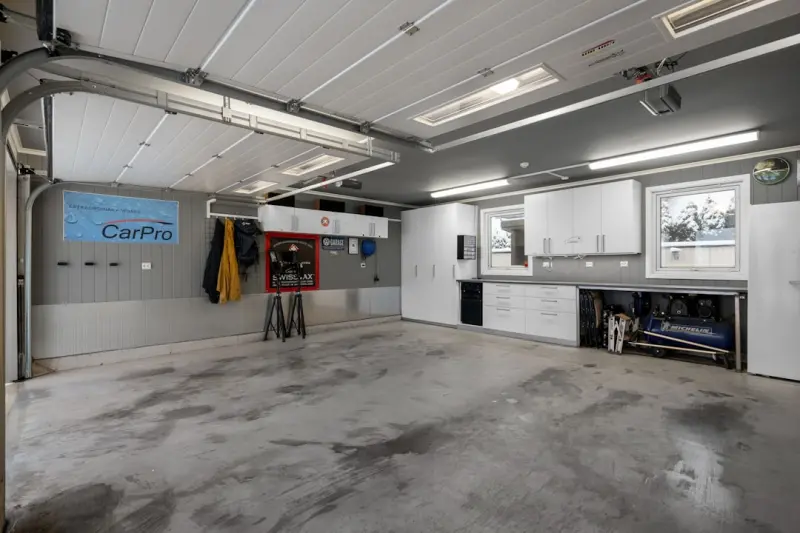
Reimagining Your Garage: The Ultimate Multi‑Purpose Makeover
Discover how to transform a traditional garage into a versatile, sustainable, and stylish hub—boosting home value while supporting modern lifestyle needs....Read More
0 Comments
Post Comment
You will need to Login or Register to comment on this post!