
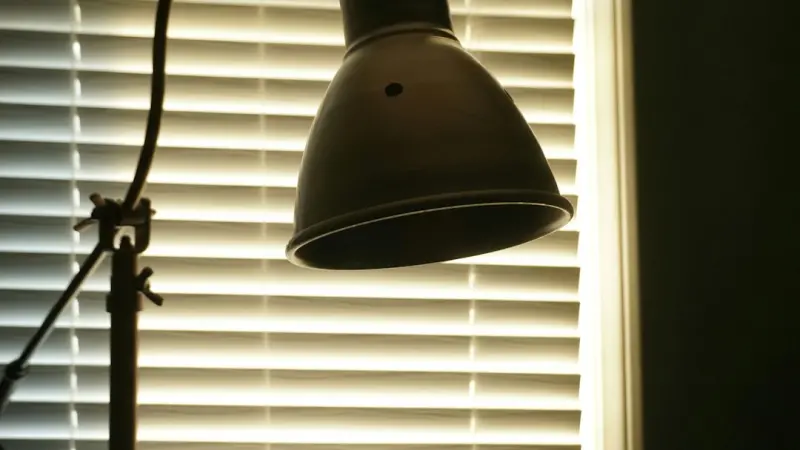
When Light Becomes a Design Ally: Rethinking Window Treatments for the Modern Workspace
Walking into a well‑designed office today feels less like stepping into a room and more like entering a carefully curated experience. The hum of conversation, the subtle scent of fresh coffee, the gentle click of a keyboard—all of it is framed by one often‑overlooked element: the window. While glass panes have long been celebrated for the visual connection they provide, the treatments that sit between you and the sun are finally stepping into the spotlight.
In my years of consulting on commercial interiors, I’ve watched a quiet revolution unfold. No longer are blinds and curtains merely functional; they are strategic tools that shape mood, boost productivity, and even influence health outcomes. This article dives deep into the emerging philosophy that treats window coverings as active participants in the workspace ecosystem—an approach I like to call light‑modulating design.
Why Traditional Window Treatments No Longer Cut It
For decades, the default office solution was a basic roller blind or a draped curtain. The goal was simple: block glare, maintain privacy, and keep the room at a comfortable temperature. But those solutions carried hidden costs:
- Static Light Levels: A fixed blind either lets in too much daylight, causing glare on screens, or blocks too much, resulting in a dim, demotivating environment.
- One‑Size‑Fits‑All Aesthetics: Generic white blinds rarely complement a brand’s visual language, missing an opportunity for subtle storytelling.
- Neglected Well‑Being: Research shows that exposure to natural light regulates circadian rhythms, yet poorly designed treatments can blunt this benefit.
When you pair these shortcomings with the growing emphasis on employee wellness and sustainability, the need for a smarter approach becomes undeniable.
Three Pillars of Light‑Modulating Window Treatment Design
To transform windows from passive openings into dynamic assets, I focus on three interlocking pillars: adaptability, biophilic integration, and acoustic performance. Let’s unpack each one.
1. Adaptability: From Manual to Responsive Systems
Adaptability isn’t about installing a full‑blown automation platform—although those exist. It’s about ensuring the treatment can respond to changing conditions with minimal friction. Consider these options:
- Hybrid Motorized Shades: Powered by low‑voltage controllers, they can be programmed to adjust based on time of day, external light sensors, or occupancy data. The key is a simple interface that lets facilities managers set schedules without needing a dedicated IT team.
- Daylight‑Responsive Fabrics: New textile technologies change opacity in response to UV exposure, providing a passive way to modulate glare without electricity.
- Manual Pivot Panels: For spaces that value tactile interaction, sleek pivot panels offer quick angle adjustments while serving as visual statements.
When you look at the broader building ecosystem, these adaptable treatments can dovetail with other systems. For instance, linking shade schedules to your HVAC strategy reduces cooling loads—an insight echoed in the Predictive HVAC discussion, where coordinated shading and temperature control cut energy waste.
2. Biophilic Integration: Bringing Nature Inside
Biophilia—the innate human attraction to nature—has moved from a buzzword to a design imperative. Window treatments can amplify this connection in two main ways:
- Organic Textures: Think woven bamboo shades, linen panels dyed with plant‑based pigments, or reclaimed wood slats. These materials echo the natural world while still providing light control.
- Living Window Frames: A subtle but powerful twist is to embed vertical gardens within the frame of a blind system. As the plants grow, they naturally filter light, creating a dynamic, ever‑changing daylight pattern that reduces reliance on artificial lighting.
Pairing these biophilic elements with indoor greenery can improve air quality and boost employee morale. The synergy is comparable to the Pocket Gardens concept, where small‑scale horticulture transforms otherwise dead space into thriving micro‑ecosystems.
3. Acoustic Performance: Quieting the Open‑Plan
Open‑plan offices are notorious for echo and noise bleed. While acoustic panels on walls are common, window treatments can double as sound‑absorbing surfaces. Materials like dense felt, acoustic‑grade polyester, or layered honeycomb structures can:
- Reduce reverberation from outside traffic, especially in urban settings.
- Mitigate internal chatter by absorbing mid‑range frequencies.
- Offer a visual softness that counters the hard lines of glass and metal.
When you integrate acoustic blinds, you’re not just addressing visual comfort but also creating a more focused acoustic environment—a win for collaborative zones and private pods alike.
Designing for Brand Storytelling Through Windows
Every brand has a narrative, and its interior spaces should echo that story. Window treatments, often overlooked, are prime storytelling canvases:
- Color Palette Alignment: Selecting shades that echo your brand’s primary colors reinforces visual cohesion without the need for additional graphics.
- Pattern Echoes: Geometric motifs on blinds can mirror logo elements or product design language, turning a functional object into a brand ambassador.
- Material Symbolism: A tech startup might opt for sleek, high‑gloss aluminum slats, while a sustainable fashion label could choose organic cotton panels.
In practice, I often begin a design sprint with a “brand‑window matrix,” mapping brand attributes to material, color, and movement options. This ensures the final treatment feels intentional, not an afterthought.
Future‑Ready Considerations Without the “Future‑Proof” Jargon
While the industry loves buzzwords, the pragmatic side of planning for tomorrow is simple: choose systems that can evolve. Here’s how to future‑proof your window treatment budget:
- Modular Track Systems: Opt for rails that accept multiple panel types, allowing you to swap from blackout shades to light‑diffusing fabrics as needs shift.
- Open API Controls: Even if you don’t automate today, selecting controllers with open APIs makes integration with building management platforms straightforward later on.
- Recyclable Materials: Prioritize fabrics and frames that can be reclaimed or recycled, reducing waste when upgrades become necessary.
This mindset aligns with the holistic approach found in the Secret Sauce Behind Future‑Proof Commercial Renovations article, where flexibility and sustainability intersect.
Implementation Checklist: From Concept to Installation
To translate the vision into reality, follow this step‑by‑step guide:
- Assess Light Profiles: Use a light meter to map sunlight patterns across the day. Identify zones with glare hotspots versus those that stay dim.
- Define Functional Zones: Match treatment types to activity—task‑heavy desks need glare‑blocking shades; breakout areas benefit from light‑softening fabrics.
- Select Materials: Balance aesthetic goals with performance specs (UV resistance, acoustic rating, fire safety).
- Plan for Controls: Decide between manual, scheduled, or sensor‑driven operation. Ensure wiring routes are concealed and accessible for future upgrades.
- Prototype a Pilot Space: Install a sample set in a high‑traffic area. Gather feedback on comfort, usability, and visual appeal.
- Iterate and Scale: Refine based on pilot data, then roll out across the building, documenting settings and maintenance protocols.
Maintenance Matters: Keeping Treatments Performing
Even the most sophisticated window solutions degrade without proper care. Establish a maintenance rhythm that includes:
- Quarterly Dusting: Use a soft microfiber cloth to prevent grit from scratching fabrics.
- Annual Fabric Inspection: Look for fading, tearing, or loss of acoustic density. Replace or re‑tension as needed.
- Motor Checks: For motorized systems, verify battery health (if battery‑powered) and lubricate moving parts.
- Sensor Calibration: If you employ daylight sensors, recalibrate them seasonally to account for changing sun angles.
Proactive upkeep extends the life of your investment and ensures the window treatment continues to deliver its health, productivity, and branding benefits.
Case Study: A Mid‑Size Design Agency’s Light Overhaul
One client—a design agency occupying a 12,000‑sq‑ft loft—faced chronic glare on their collaborative tables, leading to eye strain and missed deadlines. Their original solution: a set of cheap vinyl blinds that barely covered the windows and clashed with the industrial aesthetic.
We approached the problem with the three pillars in mind:
- Adaptability: Installed motorized, daylight‑responsive fabrics that dim automatically after 10 am, reducing glare during peak sunshine.
- Biophilic Integration: Chose a woven bamboo shade for the reception area, complementing the agency’s eco‑focused branding.
- Acoustic Performance: Added felt‑backed roller shades in the meeting rooms, cutting ambient noise from the street by 5 dB.
Within six weeks, the agency reported a 30 % drop in reported eye strain, a measurable boost in meeting focus scores, and positive feedback from clients who noted the “thoughtful, warm ambience.” The project also trimmed the office’s cooling load by roughly 8 %, showcasing the hidden energy savings of well‑designed shading.
Conclusion: Let Your Windows Work for You
Window treatments have long lingered in the background of interior design, relegated to the role of functional afterthought. By reimagining them as adaptable, biophilic, and acoustically active elements, you unlock a powerful lever for employee well‑being, brand expression, and operational efficiency. The next time you glance at a glass pane, ask yourself not just what you see beyond it, but how the space between you and the light can be engineered to serve your organization’s goals.
In a world where every square foot counts, the space between the wall and the world outside is prime real estate—one that deserves as much strategic attention as any other design decision.

William Roy is a freelance writer originally from Montreal who moved to Ottawa with his wife of 50 years to be closer to their grandkids. Alongside his writing, William has a passion for fishing.
Related Posts

Nature‑Inspired Window Treatments: Elevating Light, Comfort, and Sustainability
Explore fresh strategies for window treatments that blend nature, technology, and sustainability, bo... Read More
Adaptive Window Treatments: Turning Light Into a Strategic Business Lever
Discover how integrating smart blinds, electrochromic glass, and data-driven controls transforms ord... Read More
The Rise of Smart, Sustainable Window Treatments
Discover how smart fabrics, automation, and sustainable materials are transforming window treatments... Read More
Top Posts
Beyond the Boards: How Intelligent Deck Design is Redefining Outdoor Living
The article explores how decks can evolve into smart, sustainable outdoor spaces by incorporating solar power, modular components, water‑smart systems, and ci...Read More
Mold Removal Reinvented: IoT‑Driven Proactive Strategies
A data‑first approach to mold removal uses sensor networks, automated alerts, and envelope upgrades to detect moisture early, reduce remediation costs, and im...Read More

Unlocking Everyday Comfort: 12 Home Hacks That Actually Work
A seasoned homeowner shares twelve easy, low‑cost tips—from smart lighting to DIY acoustic fixes—that transform everyday living into a more comfortable, e...Read More

The Sustainable Carpet Cleaning Playbook: Tips, Tricks, and Green Solutions
Learn how to clean carpets sustainably with green products, DIY hacks, and professional tips that extend carpet life while safeguarding indoor air quality....Read More
0 Comments
Post Comment
You will need to Login or Register to comment on this post!