
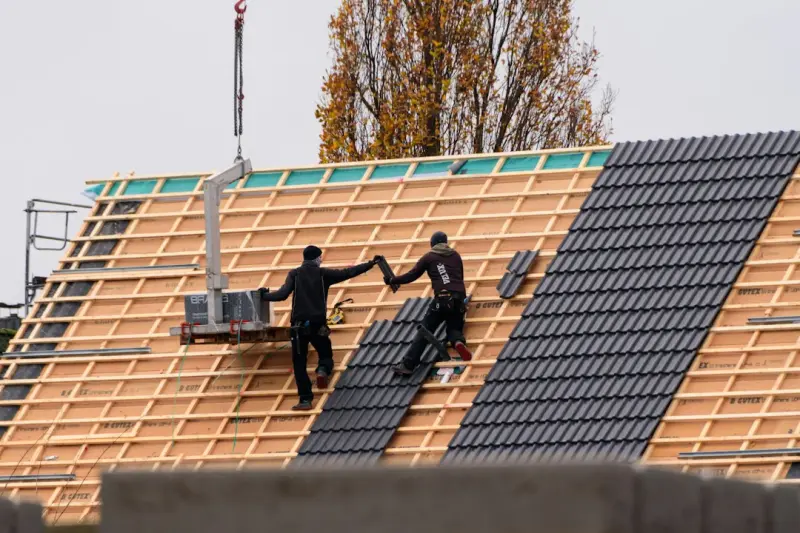
AI‑Powered Roof Audits: A New Frontier for Building Resilience
When I first stepped onto a construction site as a rookie roofer, the biggest challenge was simply getting a clear view of the roof deck without crawling up a ladder in the blazing sun. Fast forward a few decades, and we’re now talking about drones buzzing overhead, thermal cameras scanning every shingle, and algorithms that can predict a leak before the first drop of rain hits the ground. It feels a bit like science‑fiction, but it’s the reality we’re living in today.
In this post I’m pulling back the curtain on the AI‑powered roof audit—the technology stack that’s turning a traditionally manual, reactive process into a proactive, data‑driven strategy for safeguarding assets. I’ll walk you through the hardware, the software, and most importantly, the business case that makes this an essential investment for forward‑thinking property owners and facility managers.
Why the Traditional Roof Inspection Model Is Crumbling
For years, the industry has relied on a simple three‑step routine: visual inspection, spot repairs, and a written report. This model works… until it doesn’t. Here are the pain points that most professionals encounter:
- Human error. Even the most seasoned inspector can miss a subtle blister in an asphalt shingle or an early‑stage delamination in a metal panel.
- Timing. Inspections are usually scheduled seasonally—often after the damage has already occurred.
- Documentation lag. Photographs and notes are taken on a clipboard, later entered into a spreadsheet, and rarely integrated with other building systems.
- Cost. Sending a crew up a multi‑story roof, especially in urban settings, can quickly add up to thousands of dollars per inspection.
All of these factors combine to create a “react‑only” mindset that leaves property owners vulnerable to unexpected repair bills, insurance claims, and, in worst‑case scenarios, structural failures.
The Core Components of an AI‑Powered Roof Audit
To flip the script from reactive to predictive, you need three key ingredients: data capture, data processing, and actionable insight. Let’s break each down.
1. Data Capture – Drones, LIDAR, and Thermal Imaging
Drones equipped with high‑resolution RGB cameras have become the workhorse for aerial surveys. They can cover 1,500 square feet of roof in under five minutes, capturing gigapixels of detail that would take a human crew hours to collect.
Adding LIDAR (Light Detection and Ranging) into the mix provides a 3‑D point cloud of the roof surface. This depth data is crucial for measuring slope, identifying sagging sections, and calculating material volume for future replacements.
Thermal imaging is the secret weapon for spotting moisture intrusion and insulation gaps. A single pass can reveal temperature differentials as small as 0.1°C, flagging hidden leaks before they become visible.
2. Data Processing – The Role of Machine Learning
Once the raw data is collected, the heavy lifting happens in the cloud. Machine‑learning models—trained on millions of annotated roof images—can automatically classify defects into categories such as:
- Shingle blistering
- Metal corrosion
- Flash flashing failures
- Debris accumulation (leaves, solar panel residue, etc.)
These models assign a confidence score to each detection, allowing the system to prioritize the most critical issues. The result is a digital twin of your roof that updates in near‑real time.
3. Actionable Insight – From Report to Automated Workflows
Instead of a static PDF, you get an interactive dashboard that maps defects onto the 3‑D model, overlays historical trends, and even suggests optimal repair windows based on weather forecasts. Integration with building‑management systems means that a flagged leak can automatically generate a work order, assign it to a certified contractor, and trigger procurement of the exact materials needed.
Think of it as the roof’s nervous system, constantly monitoring, interpreting, and reacting—all without a single ladder climb.
Business Benefits That Go Beyond “Cool Tech”
It’s easy to get dazzled by the tech jargon, but the real decision makers care about the bottom line. Here’s how AI‑powered roof audits translate into tangible ROI:
- Reduced maintenance costs. Early detection means smaller, localized repairs rather than costly full‑roof replacements.
- Extended asset life. By maintaining optimal roof health, you can add 5‑10 years to the service life of most commercial roofing systems.
- Insurance premium discounts. Many insurers now offer lower rates for properties with documented, proactive roof monitoring.
- Energy savings. Detecting insulation gaps and moisture intrusion helps maintain HVAC efficiency, directly lowering utility bills.
- Regulatory compliance. Automated documentation satisfies many local building codes and sustainability reporting requirements.
Integrating Roof Audits Into a Holistic Building Strategy
Roof health doesn’t exist in isolation. It interacts with gutters, façades, and the overall weather‑proofing envelope of a building. For a truly resilient structure, you need to think in systems, not silos.
One great example is how smart gutters can feed data directly into your roof audit platform. When a gutter sensor detects a blockage, the system can cross‑reference that information with recent roof scans to determine if water pooling is likely to affect the roof membrane. You can read more about this synergy in Turning Gutters into Smart Asset Guardians.
Similarly, innovative weather‑proofing strategies—like dynamic façade vents—can be calibrated based on roof moisture data, creating a feedback loop that optimizes both interior climate control and exterior protection.
Choosing the Right Vendor: What to Look For
Not all AI roof audit solutions are created equal. Here are the red flags and green lights to keep in mind:
- Data security. Your roof data may seem innocuous, but combined with building occupancy schedules it becomes sensitive. Look for end‑to‑end encryption and compliance with standards such as ISO 27001.
- Scalability. The platform should handle anything from a single retail storefront to a multi‑site corporate campus without degradation.
- Model transparency. Vendors that provide explainable AI—showing why a defect was flagged—help you trust the system and satisfy auditors.
- Integration capabilities. APIs that speak to existing CMMS (Computerized Maintenance Management Systems) or ERP solutions are a must.
- Support and training. A good partner will train your facilities team to interpret the data, not just hand you a black box.
Future Trends: From Predictive to Prescriptive
We’re already seeing the next evolution: prescriptive maintenance. Imagine a system that not only tells you a shingle is about to delaminate but also orders the exact replacement material, schedules a crew, and adjusts the building’s HVAC set‑points to mitigate any temporary loss of insulation.
Another exciting frontier is the integration of energy‑generation data. Roofs equipped with photovoltaic panels can feed solar output into the same AI platform, allowing you to balance energy production with roof wear patterns—optimizing both performance and longevity.
Getting Started: A Practical Roadmap
If you’re convinced (or even just curious), here’s a step‑by‑step plan to begin your AI‑powered roof audit journey:
- Audit your current roof management process. Document who does what, when, and how data is stored.
- Identify pilot sites. Choose a building with a recent roof installation or one that has a history of roof issues.
- Engage a reputable vendor. Use the criteria above to shortlist candidates.
- Run a baseline scan. Capture RGB, LIDAR, and thermal data to establish a “as‑built” model.
- Set KPIs. Examples include average time to defect detection, maintenance cost reduction, and insurance premium impact.
- Integrate with existing systems. Connect the audit platform to your CMMS, weather service API, and any smart gutter solutions you already have.
- Iterate and scale. Use pilot results to refine thresholds, then roll out to the rest of your portfolio.
Remember, the goal isn’t to replace your seasoned roof crew but to augment their expertise with data‑driven insights. When a veteran roofer stands beside a drone‑generated heat map, you get the best of both worlds—a human touch guided by machine precision.
Conclusion: The Roof Is No Longer the Last Line of Defense
In my 30‑year career, I’ve seen roofs go from “just a cover” to a critical component of building intelligence. AI‑powered roof audits are the catalyst that will transform roofs from a passive shield into an active participant in a building’s resilience strategy. By embracing drones, thermal imaging, and machine learning, you’ll not only protect your assets but also unlock cost savings, compliance benefits, and a greener footprint.
If you’re ready to take the next step, start by exploring how smart gutters can feed data into your roof health platform and how advanced weather‑proofing can amplify the impact of your new insights. The future of roofing is already in the sky—let’s bring it down to earth.

Paul Gray is a dynamic blogger based in Brampton, where he shares his life with his amazing wife, Sarah. Known for his engaging writing style and relatable insights, Paul has carved out a niche in the blogging world that resonates with readers from all walks of life. When he's not crafting captivating posts, you can find him savoring a cold beer or indulging in the latest blockbuster movie. With a friendly demeanor and a passion for storytelling, Paul brings a unique perspective to his work, making him not just a blogger, but a voice for those who appreciate the simple joys of life.
Related Posts
Smart Roofing: From Passive Shield to Data‑Driven Asset
Discover the rise of intelligent roofs that combine green technology, solar integration, and IoT mon... Read More
Resilient Roofing: Smart Materials, Sensors, and Sustainable Designs
Explore cutting‑edge roofing solutions—from impact‑resistant shingles to smart sensors and gre... Read More

Green Roofs: Transforming Commercial Roofing into Living Assets
Explore the business case for green roofs, from thermal regulation and stormwater retention to ROI, ... Read More
Top Posts
Warmth Beneath the Feet: How Radiant Floor Heating Elevates Comfort and Sustainability
Radiant floor heating offers consistent warmth, lower energy use, and health advantages. Learn how smart controls, sustainable integration, and thoughtful desig...Read More
Solar‑Powered Microgrids: A New Frontier for Commercial Real Estate
Discover the practical steps, financial incentives, and real‑world results of integrating solar energy into microgrids for commercial real estate, and learn h...Read More
Renovating for Resilience: Future‑Ready Commercial Spaces
A practical guide to future‑proof commercial renovations, focusing on resilience, adaptive infrastructure, biophilic design, and financial incentives that tur...Read More

Beyond the Brush: Sustainable Painting Strategies for a Healthier Home
A detailed guide to choosing low‑VOC, responsibly sourced paints, mastering eco‑friendly prep and application techniques, and disposing of leftovers wisely,...Read More
0 Comments
Post Comment
You will need to Login or Register to comment on this post!