

Why Traditional Weather‑Proofing Isn’t Enough Anymore
When I first started swapping my garden gloves for a hard hat, I thought a good seal on the windows and a sturdy roof would keep the elements at bay. The truth? Climate patterns have turned into a high‑stakes game of chance, and the old “one‑size‑fits‑all” approach leaves your home vulnerable. Modern homeowners need a dynamic, data‑driven armor that adapts to rain, wind, heat, and even unexpected hailstorms.
The Core Pillars of a Resilient Envelope
Think of your home as a living organism. Its skin (the exterior envelope) must breathe, protect, and respond. Below are the three pillars you should fortify:
- Barrier Integrity: This is the physical shield—siding, roofing, windows, and doors.
- Moisture Management: How water is directed away from the structure, from gutters to foundation drainage.
- Intelligent Monitoring: Sensors and automation that alert you before a minor leak becomes a flood.
When these pillars work together, you’re not just weather‑proofing; you’re creating a climate‑responsive home.
Barrier Integrity: Choose Materials That Talk Back to the Weather
Materials have evolved far beyond vinyl and asphalt shingles. Here’s what’s winning the battle:
- Fiber‑Cement Siding: Resistant to rot, fire, and insect damage, it also holds up better under high wind pressure.
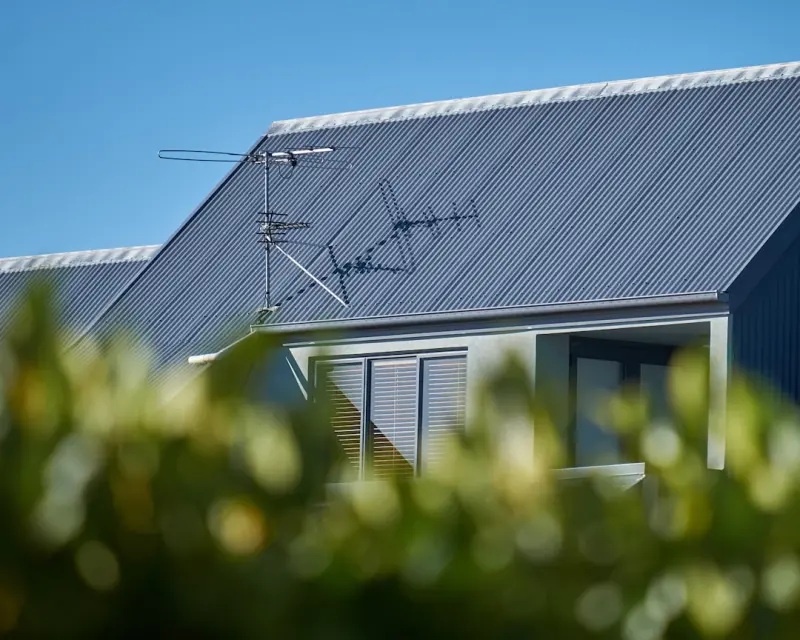
- Metal Roofing with Cool‑Coat Finish: Reflects solar heat, reduces roof‑deck temperatures by up to 30 °F, and sheds snow with ease.
- Triple‑Pane Low‑E Glass: Not just for energy savings—its laminated layers absorb impact from wind‑borne debris.
- Reinforced Entry Doors with Weather‑Strip Gaskets: Look for doors rated for wind loads of at least 90 mph in your region.
When you combine these choices, the envelope becomes a proactive barrier rather than a passive wall.
Moisture Management: The Unsung Hero of Weather‑Proofing
Rainwater is relentless, but your home doesn’t have to be. The following strategies turn water into a harmless visitor:
- Extended Roof Overhangs: They keep rain from directly hitting the walls, reducing splash‑back.
- Smart Gutter Systems: Sensors detect clogging and trigger automatic cleaning cycles, preventing overflow that can seep into the foundation.
- French Drains Integrated with Permeable Pavers: Directs subsurface water away while still allowing the yard to stay green.
- Basement Sealant Membranes with Vapor Barriers: A two‑layer approach that blocks both liquid water and rising humidity.
These measures work silently, but their impact shows up in dry basements, intact plaster, and fewer mold headaches.
Intelligent Monitoring: Turning Data Into Prevention
Imagine a system that whispers to you when a gutter is about to overflow or a window seal begins to fail. That’s the power of modern sensor networks. Here’s how to get started:
- Install humidity and temperature sensors in attic spaces and crawl spaces. They can detect condensation early, prompting you to address ventilation before rot sets in.
- Use leak detection probes near high‑risk areas—kitchens, bathrooms, and exterior wall joints. When a probe senses water, it sends an instant push notification.
- Integrate these sensors with a central home‑automation hub. Set up “weather‑alert” routines that close operable skylights at the first sign of hail.
The key is not just collecting data but acting on it. A simple alert can save you thousands in water damage repairs.
DIY Weather‑Proofing Projects That Deliver Big ROI
If you love getting hands‑on, these projects are both satisfying and financially savvy:
- Seal All Exterior Penetrations: Apply high‑performance silicone around pipes, vents, and electrical conduits.
- Upgrade Door Thresholds: Replace worn thresholds with insulated, water‑resistant strips that sit flush with the floor.
- Install a Rain‑Garden: Plant native, water‑loving species in a shallow depression to naturally absorb runoff.
- Retrofit Existing Tiles with Water‑Resistant Grout: If your bathroom tiles have been around for a decade, swapping to epoxy‑based grout adds a moisture barrier. For more on tile performance, check out When Tiles Talk.
These upgrades not only protect your home but also boost resale value—buyers love a well‑maintained envelope.
Seasonal Check‑Ins: A Simple, Repeatable Routine
Weather‑proofing isn’t a “set it and forget it” project; it’s an ongoing habit. Here’s a three‑step seasonal checklist you can run in under an hour:
- Spring: Inspect roof for loose shingles, clear gutters, and test sump pump operation.
- Summer: Verify window seals, check for attic ventilation blockage, and calibrate exterior temperature sensors.
- Fall: Clean roof debris, reinforce door sweeps, and run a water test on foundation drains.
For a comprehensive view of what to look at during each season, the Strategic Renovation Checklist offers a handy template you can adapt.
Future‑Ready Materials: The Next Generation of Weather‑Resilient Products
While we’re steering clear of the buzzword “future‑proof,” the industry is already delivering products that anticipate climate stressors:
- Self‑Healing Concrete: Micro‑capsules within the mix release sealant when cracks appear, extending the life of foundations.
- Phase‑Change Insulation: Stores excess heat during hot days and releases it at night, keeping indoor temperatures stable.
- Bio‑Based Sealants: Derived from algae, they offer high elasticity and resist UV degradation better than petroleum‑based options.
Integrating these advanced materials may require a professional contractor, but they pay dividends in durability and lower maintenance costs.
Balancing Aesthetics With Protection
Many homeowners think weather‑proofing means sacrificing curb appeal. That’s a myth. Modern design tools let you choose performance without compromising style:
- Use architectural shutters made from composite materials—they provide shade, wind resistance, and a classic look.
- Opt for colored metal roofing that matches your home’s palette while delivering superior protection.
- Incorporate exposed structural elements like steel beams, which double as design statements and structural reinforcements.
The result is a home that looks intentional and stands strong against the storm.
Cost Considerations: Where to Invest First
Budget constraints are real, so prioritize based on risk exposure:
- Windows and Doors: Leaky openings are the most common source of water intrusion.
- Roofing: A compromised roof can cause rapid interior damage.
- Foundation Drainage: Prevents long‑term structural settlement.
- Smart Sensors: Offer the highest ROI by catching issues early.
Even small upgrades—like high‑quality door sweeps—can produce measurable savings on your utility bills and insurance premiums.
Partnering With the Right Professionals
When the scope exceeds DIY, select contractors who understand data‑driven weather resilience. Look for certifications in building science, and ask for case studies that demonstrate how they have integrated sensor networks with traditional construction.
Conclusion: From Reactive Repairs to Proactive Resilience
Weather‑proofing has evolved from patch‑up jobs to a holistic strategy that blends material science, smart technology, and regular maintenance rituals. By reinforcing your home’s barrier, mastering moisture flow, and embracing intelligent monitoring, you shift from reacting to storms to thriving despite them. Your home becomes a sanctuary—not just against the weather, but also against the surprise expenses that follow a failed seal or a clogged gutter.
Take the first step today: audit your envelope, install a sensor, and schedule that seasonal check‑in. In the long run, you’ll thank yourself when the next big storm passes you by, leaving your home exactly where it should be—dry, safe, and stylish.

When it comes to the world of blogging and writing, Rose DesRochers is a name that stands out. Her passion for creating quality content and connecting with her audience has made her a trusted voice in the industry. Aside from her skills as a writer and blogger, Rose is also known for her compassionate nature.
Related Posts

Weathering the Storm: A Comprehensive Guide to Home Weather Proofing
Discover the importance of home weather proofing and learn various methods and techniques to make yo... Read More

Weatherproofing Your Home for a Sustainable Future
Weatherproofing your home is crucial for a sustainable future. Learn how to reduce energy consumptio... Read More
Dynamic Weatherproofing: Turning Your Home Into a Smart Shield
Learn how to upgrade traditional weatherproofing with flexible membranes and smart IoT systems, crea... Read More
Top Posts

The Ultimate Guide to Floor Heating: A Comprehensive Overview
Floor heating is a luxurious and efficient way to warm your home, providing a cozy and comfortable living space for you and your family. Learn about the differe...Read More

When Windows & Doors Become the Building’s Brain
A deep dive into why modern windows and doors are more than just openings—they’re intelligent systems that cut costs, enhance security, and elevate the occu...Read More

Continuous Energy Inspection: Turning Real‑Time Data into Facility Savings
A deep dive into Continuous Energy Inspection, showing how sensors, edge processing, and analytics replace annual audits, delivering real‑time insights, reduc...Read More

Sunrooms: The Next Frontier for Hybrid Workspaces
Explore how transforming a sunroom into a smart, climate‑controlled workspace can enhance focus, well‑being, and energy efficiency, making it a strategic as...Read More
0 Comments
Post Comment
You will need to Login or Register to comment on this post!