

Why Roof Resilience Is No Longer a Luxury
When the storm clouds gather, a roof is the first line of defense between your home and the elements. Homeowners are waking up to the reality that climate‑driven extremes are no longer occasional events but an everyday concern, and they are demanding roofs that can absorb the shock of hail, high winds, and relentless rain without compromising structural integrity. This shift has sparked a surge in innovative roofing systems that blend durability with smart technology, turning a traditionally passive component into an active participant in home protection. Investing in a resilient roof now means safeguarding not only the physical shelter but also the financial health of your household, as insurance premiums dip and repair costs plummet when your roof can weather the worst.
The Rise of Impact‑Resistant Shingles
Impact‑resistant (IR) shingles have moved from niche markets into mainstream adoption, thanks to their ability to bounce back after being pelted by large hailstones or battered by wind‑driven debris. Unlike standard asphalt, IR shingles incorporate polymer‑reinforced fibers that absorb kinetic energy, preventing cracks that could lead to leaks. Homeowners who choose these shingles report a noticeable reduction in post‑storm maintenance, and many insurers now offer discounts for properties equipped with IR roofing. While the upfront cost is higher, the long‑term savings on repairs and the added peace of mind make them a compelling choice for anyone looking to future‑proof their home’s envelope.
Metal Roofing: The Unsung Hero of Longevity
Metal roofs have long been celebrated for their sleek aesthetic, but their true value lies in an unmatched lifespan that can exceed 70 years with proper maintenance. Advances in coating technology now provide rust‑resistant finishes that retain their color and reflectivity for decades, reducing heat gain in summer and lowering cooling bills. Moreover, metal panels act as a natural fire barrier, an essential feature in wildfire‑prone regions. The lightweight nature of metal also means faster installation times and less stress on the underlying structure, which can translate into lower labor costs and a quicker return on investment.
Smart Roof Sensors: Turning Data Into Protection
Integrating sensors into roofing materials is a game‑changer for proactive maintenance. These discreet devices monitor moisture levels, temperature fluctuations, and structural strain in real time, sending alerts straight to your smartphone when thresholds are breached. By catching a minor leak before it becomes a water‑logged nightmare, homeowners can schedule repairs during a dry spell, saving both time and money. The technology pairs seamlessly with home automation platforms, allowing you to trigger ventilation fans or de‑humidifiers automatically, thereby preserving indoor air quality and extending the life of your roof.
Green Roofs: Beauty, Insulation, and Biodiversity
Beyond protection, roofs are evolving into vibrant ecosystems that provide insulation, storm‑water management, and aesthetic appeal. A well‑designed green roof can reduce rooftop temperatures by up to 30 °F, cutting cooling costs and easing the load on your HVAC system. The soil layer also absorbs rainwater, lessening runoff and easing the burden on municipal drainage systems. For urban dwellers, a rooftop garden offers a private sanctuary, a space for growing herbs, or simply a visual respite from the concrete jungle. When paired with solar panels, the combined system can dramatically improve a home’s overall energy performance.
Integrating Solar Panels Without Compromising Roof Integrity
Solar adoption is soaring, but many homeowners worry that mounting panels will damage their roof or void warranties. Modern mounting solutions now use non‑penetrating ballast systems that secure panels while distributing weight evenly across the roof deck, preserving the waterproof membrane beneath. Additionally, manufacturers are offering roof‑integrated photovoltaic (BIPV) shingles that blend seamlessly with traditional roofing, delivering both power generation and a sleek appearance. By selecting the right installation method, you can enjoy clean energy without sacrificing the durability or aesthetic of your roof.
Ventilation Strategies That Boost Comfort and Energy Savings
Proper roof ventilation is often overlooked, yet it plays a pivotal role in maintaining a healthy home environment. An effective ventilation system balances intake and exhaust, allowing hot air to escape in summer and moist air to vent in winter, which prevents mold growth and extends the life of roofing materials. Options range from traditional ridge vents and soffit openings to advanced powered attic fans that adjust flow based on temperature sensors. When combined with an insulated roof deck, these strategies can lower heating and cooling expenses by up to 15 %.
DIY Roof Maintenance: When to Call a Pro
Regular visual inspections and simple upkeep tasks, such as clearing debris from gutters and trimming overhanging branches, can keep your roof in top shape. However, recognizing the limits of DIY is crucial; issues like compromised flashing, hidden membrane damage, or structural sag require professional expertise. Attempting complex repairs without proper training can lead to voided warranties and costly mistakes. By scheduling a professional roof audit at least once a year, you ensure early detection of hidden problems and maintain the integrity of your investment.
Future‑Proofing Your Roof: A Holistic Approach
In the quest for a roof that can stand the test of time, the smartest strategy is to view it as part of an integrated home system. Pairing impact‑resistant or metal roofing with smart sensors, ventilation, and renewable energy creates a synergistic effect that maximizes protection, efficiency, and comfort. For homeowners interested in broader resilience, consider exploring the Future‑Proofing Your Garage guide for complementary ideas on creating a fully adaptable living space. By taking a holistic view, you not only protect your home from today’s challenges but also position it for the innovations of tomorrow.

William Roy is a freelance writer originally from Montreal who moved to Ottawa with his wife of 50 years to be closer to their grandkids. Alongside his writing, William has a passion for fishing.
Related Posts
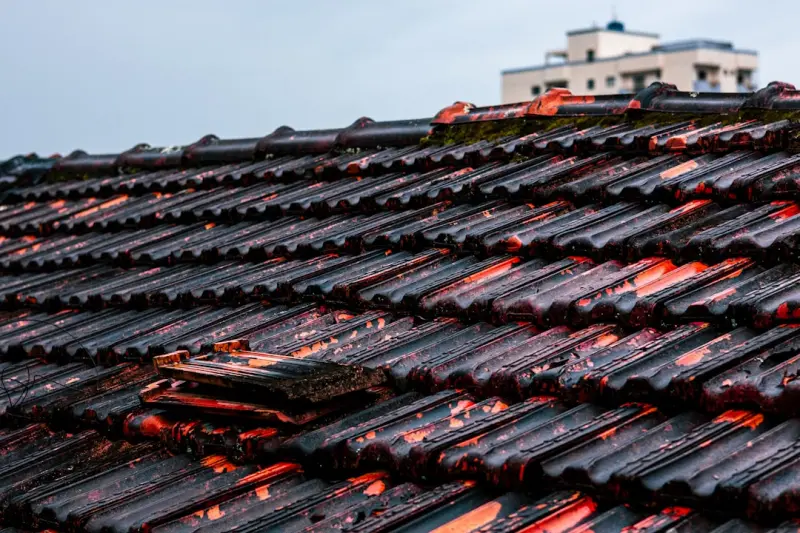
Why Your Roof Is the Secret Weapon for Boosting Home Value
A roof isn’t just protection—it’s a powerful value‑adder. Learn the materials, design tricks... Read More
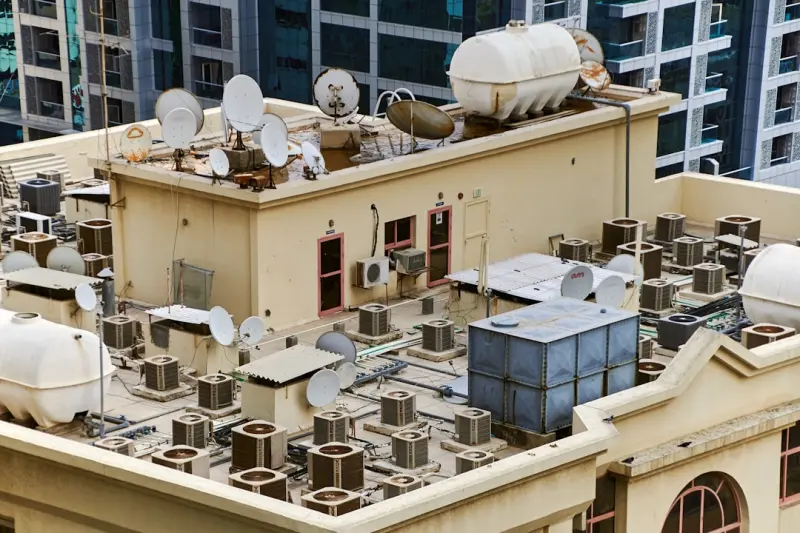
From Shingles to Data Hubs: Reimagining Roofs for the Modern Facility
Explore a fresh perspective on roofing that treats the roof as an intelligent platform, leveraging d... Read More
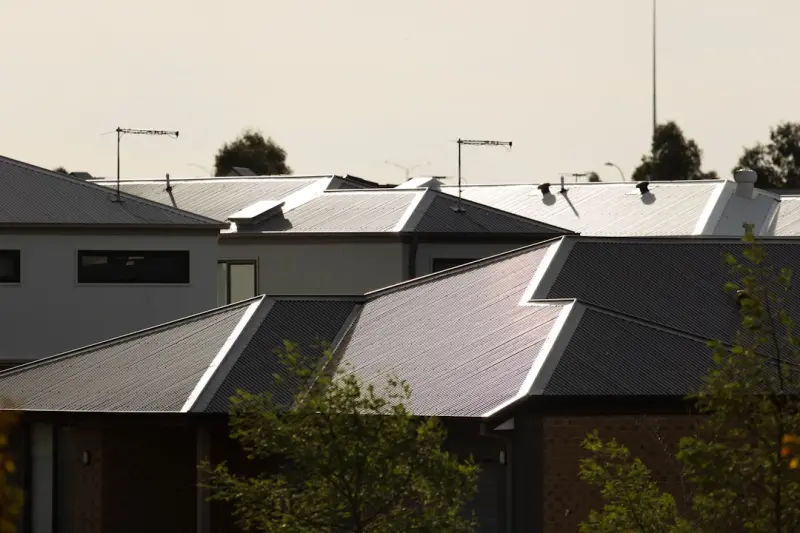
Rethinking Roofs: From Passive Shield to Active Asset
This article reveals how modern roofing can evolve from a static cover into a data‑driven, climate... Read More
Top Posts
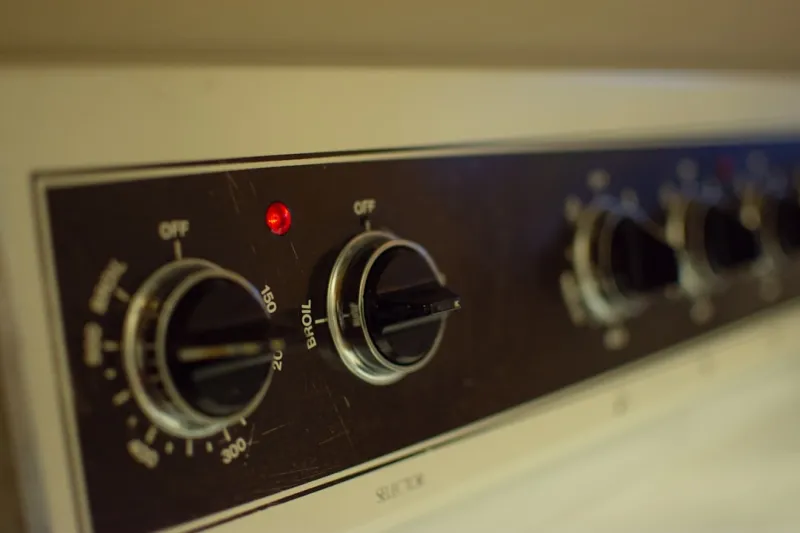
The Critical Role of Appliance Repair in Maintaining Home Energy Efficiency
Appliance repair plays a critical role in maintaining home energy efficiency. Learn how to prioritize repairs and reduce energy consumption for a more sustainab...Read More

Why Your Closet Is the Ultimate Productivity Hack
A well‑designed closet does more than store clothes; it streamlines mornings, enhances mental clarity, and offers measurable ROI through modular design, smart...Read More
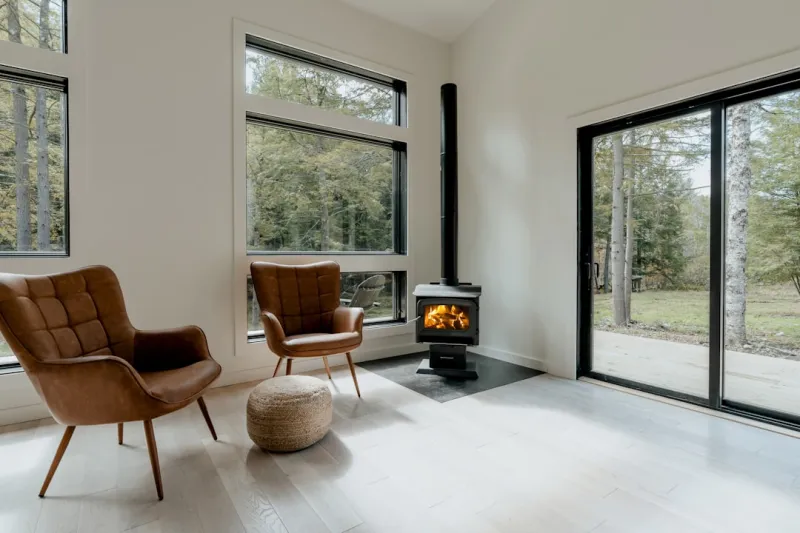
Staying Cozy: How Modern Insulation Materials Can Transform Your Home's Comfort
Insulation plays a critical role in keeping your home cozy and energy bills in check. Learn about the evolution of insulation and how modern materials are chang...Read More
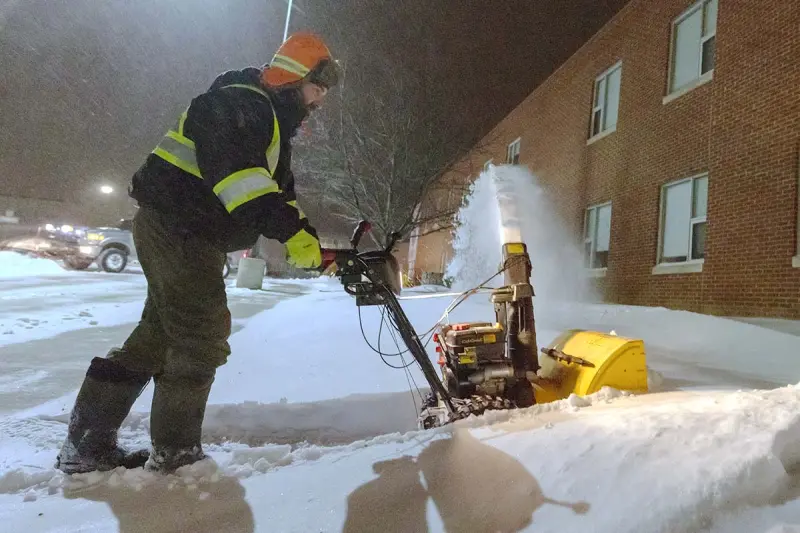
The Psychology of Snow Removal: Turning Winter Stress into Smart Routine
Learn to reframe snow removal as a purposeful routine, using smart planning, data tools, and neighborhood cooperation to reduce stress and boost efficiency....Read More
0 Comments
Post Comment
You will need to Login or Register to comment on this post!